Back pain can turn ordinary tasks into small negotiations: sitting at a desk, reaching for a mug, or getting comfortable at night. The World Health Organization’s 2023 fact sheet estimated that 619 million people experienced low back pain in 2020. It projects that number could reach 843 million by 2050. That scale helps explain the appeal of a simple home comfort tool, though it does not prove that every heating pad will help.
Clinical guidance offers a useful anchor. Dr. Amir Qaseem, a coauthor of the American College of Physicians’ low-back-pain guideline, and his fellow authors recommend “superficial heat” for acute or subacute low-back pain. A 2006 Cochrane review also found evidence of short-term pain relief from heat wraps for some people with acute or subacute pain. These findings are not a promise of lasting relief, and they do not make warmth a substitute for medical care when symptoms are severe, persistent, or concerning.
This guide compares seven warm pads for back pain in 2026, looking at heat settings, coverage, controls, materials, and automatic shutoff. Fit matters. A pad that slides off your lower back may be less useful than one with fewer features that stays comfortably in place. Our comparison has limits: comfort is personal, and product specifications cannot predict an individual result. Still, clear controls and practical safety features are sensible places to start when choosing a Warm Pad For Back Pain.
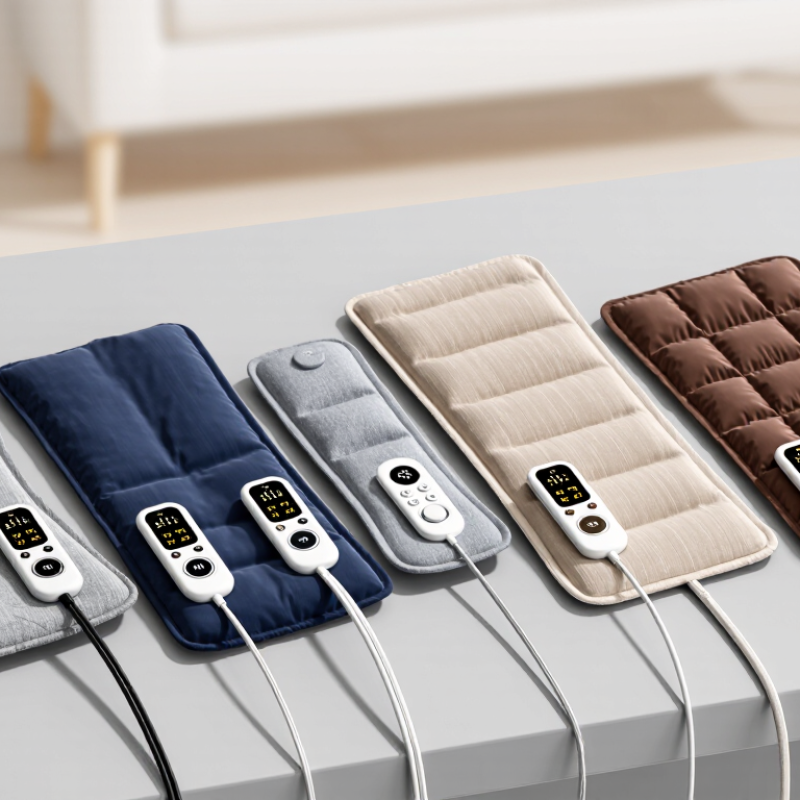
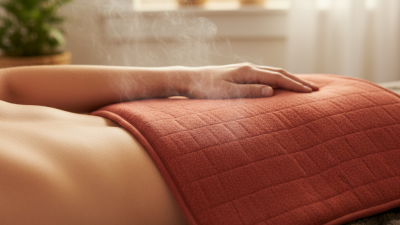
Heat therapy may ease back pain by relaxing tight muscles and increasing blood flow near the skin. A warm pad can feel soothing after hours at a desk or a long drive. The gentle warmth may also make movement feel less stiff, which can help with everyday tasks. Relief varies, though, and heat does not fix every cause of back pain.
Use a comfortably warm setting, not a scorching one, and place a cloth between the pad and your skin if needed. Try a short session, then check your skin. Don’t fall asleep with a heating pad, especially if you have reduced sensation or trouble noticing excessive heat. That risk is easy to overlook. Heat may suit ongoing muscle tension, while new pain after an injury or pain with numbness, weakness, fever, or bladder changes needs medical attention. If warmth makes symptoms worse, stop. A pad is a comfort measure, not a diagnosis or a substitute for care.
When comparing back heating pads, start with coverage. A wide pad may warm the lower back and hips, while a smaller one can feel easier to position in a chair. Check how it fastens and whether the controller stays within reach. Fit matters. A pad that shifts whenever you move may be less useful than one with fewer settings.
Compare heat levels, control simplicity, and safety features. Several temperature options help you find gentle warmth without guessing, and a clearly marked controller is easier to use when seated. Look for an automatic shutoff and a cover that can be cleaned as directed. Check the cord length, too; a short cord can limit where you sit. More settings are not automatically better. I’d weigh comfort and ease of use more heavily.
Tips: Test the lowest setting first, and follow the product’s instructions for session length. The pad should feel comfortably warm, not painfully hot. Avoid placing it on numb skin, and ask a clinician before use if you have reduced sensation or circulation problems. A little caution is worthwhile.
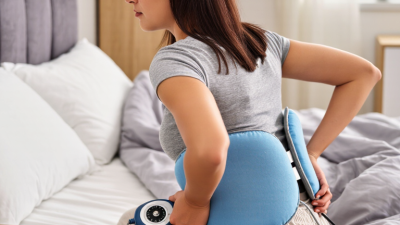
A useful warm pad should match where you feel discomfort and how you plan to use it. An electric flat pad suits a sofa or bed, while a wearable lumbar wrap stays in place during light chores. A microwavable grain pad offers cordless warmth, though it cools as the minutes pass. Reusable gel packs are easy to shape around the lower back. A hot-water bottle provides simple, steady heat when properly sealed. A larger heated mat can warm more of the back, while a flexible belt may fit beneath loose clothing. Fit matters.
Check the temperature controls, fabric, cleaning instructions, and automatic shutoff before choosing. Begin with the lowest comfortable setting and place a thin layer of fabric between the pad and your skin. Keep sessions brief, and inspect your skin for redness or irritation. Do not fall asleep with an electric pad switched on. It sounds obvious, but tired people do it.
Warmth may ease muscle tightness for some people, but it does not identify or treat every cause of back pain. Avoid heat on areas with reduced sensation or damaged skin unless a clinician advises otherwise. If pain follows an injury, becomes severe, or comes with weakness, numbness, fever, or bladder or bowel changes, seek medical care promptly. A pad that feels soothing is not always the right answer.
Choosing a heating pad starts with where your back hurts and how you plan to use it. A broad pad can cover the lower back while you sit, while a smaller one may suit a focused area. Fit matters. Check the dimensions against your chair or usual resting position; a pad that slips can leave sore spots uncovered.
Look for adjustable heat settings, a clear control, and an automatic shutoff. These features make it easier to manage warmth without constant checking. Some people prefer moist heat, while others find dry heat more convenient; comfort varies. Choose a flexible cover that rests evenly, and follow its care instructions. If you have reduced skin sensation, ask a health professional before using heat. Don’t sleep on a heating pad, and stop if your skin becomes very red or uncomfortable. Heat may ease temporary stiffness, but it does not explain persistent pain.
Tips: Test a low setting first, with fabric between the pad and your skin. Keep cords clear of walkways. If pain worsens or comes with weakness or numbness, seek medical advice. A perfect choice isn’t always obvious.
Warmth may relax tight back muscles, but more heat is not better. Place the pad over a thin layer of clothing or fabric, and begin with the lowest comfortable setting. Follow the product’s time limits; many people use heat for about 15 to 20 minutes. Check your skin during use, especially if you have reduced sensation or circulation. Stop if you notice burning, unusual redness, or discomfort. Avoid falling asleep with a heating pad unless its instructions specifically allow it.
Tips: Keep the pad flat, and do not sit or lie on top of it. A small check halfway through can prevent skin irritation. If you are unsure, use less heat.
Unplug the pad before cleaning, and let it cool completely. Follow its care label; many models need a damp-cloth wipe rather than soaking. Keep the controller and cord dry. Before each use, check for frayed wires, cracked fabric, or uneven hot spots, and do not use a damaged pad. Store it loosely, without sharp folds that could strain the wiring. I used to think a quick wipe was enough, but checking the cord matters just as much. Seek medical advice if back pain is severe, persists, or comes with weakness, numbness, or fever.
A practical guide to common heating-pad styles. Features vary by product, so check the individual product label and instructions before use.
| Pad type | Best suited for | Useful features to look for | Use and care notes |
|---|---|---|---|
| 1. Standard electric heating pad | Targeted warmth for a smaller area of the lower or upper back. | Multiple heat settings, a removable washable cover, and an automatic shutoff. | Use the lowest comfortable setting first. Unplug before cleaning, and follow the instructions about whether the pad itself can be washed. |
| 2. Extra-large back heating pad | People who prefer broader coverage across the back. | A generously sized heating area, even heat distribution, and a controller that is easy to reach. | Keep the pad flat and avoid folding or bunching it during use. Check the care label before laundering. |
| 3. Wearable lumbar heating wrap | People who want a more secure fit while seated or moving gently around the home. | Adjustable fastening, a flexible fit, clear temperature controls, and a secure power connection. | Wear it loosely enough to avoid pressure. Do not use it while driving or during activities where the cord could catch. |
| 4. Cordless microwaveable heat pack | Short warming sessions without an electrical cord or outlet. | A soft, intact outer cover and clear heating instructions for the specific fill material. | Heat only as directed; microwave times are not interchangeable between products. Check the temperature before placing it on your skin. |
| 5. Moist-heat heating pad | People who prefer a product designed to provide warmth with added moisture. | Instructions that clearly explain whether and how the pad or cover may be dampened. | Use moisture only if the product is specifically designed for it. Keep water away from electrical controls and connectors. |
| 6. Reusable hot-and-cold gel pack | People who want one pack for warmth or cooling, according to the product directions. | A leak-resistant design, a protective fabric sleeve, and clear heating and cooling instructions. | Do not heat a gel pack unless its label permits it. Wrap it as directed and check the skin regularly during use. |
| 7. Flexible contour or wraparound heating pad | People who want a pad that can sit around the waist or follow the shape of the back. | Flexible construction, adjustable straps, comfortable fabric, and a timer or automatic shutoff. | Avoid tightening it enough to compress the area. Inspect the fabric, wiring, and fasteners regularly for wear or damage. |