What is Heat Patch and How Does It Work?
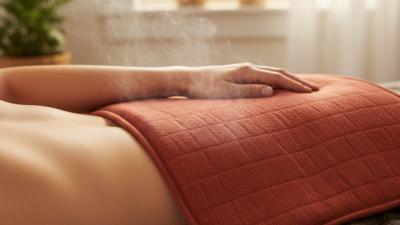
Heat patches have gained popularity for their ability to alleviate pain through targeted warmth. These simple yet effective tools can provide relief from muscle soreness, tension, and even chronic pain conditions. The heat patch generates soothing heat that penetrates the skin, promoting blood flow and relaxing tight muscles. For many, these patches offer an easy and convenient way to manage pain at home.
The use of heat patches is based on sound principles of thermotherapy. When applied to a specific area, they help ease discomfort by increasing blood circulation and reducing muscle stiffness. The temperature increase can improve flexibility and decrease pain sensitivity. Many users appreciate the portability and non-invasiveness of heat patches. This makes them an essential choice for people with active lifestyles.
Despite their benefits, it's crucial to use heat patches correctly. Overuse can lead to skin irritation or burns. Always follow the instructions for safe use to avoid such risks. Understanding the nature of heat therapy enhances the experience. Using heat patches mindfully can maximize their therapeutic potential, making them a valuable addition to pain management strategies.
What is a Heat Patch?
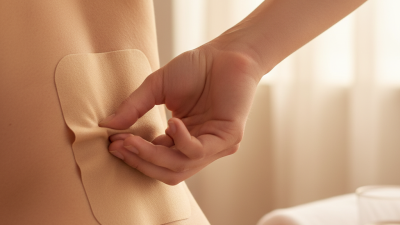
Heat patches are therapeutic aids designed to provide localized heat to relieve pain and discomfort. They work by utilizing an exothermic chemical reaction, which generates heat when activated. This heat penetrates the skin and promotes blood flow to the area, aiding in muscle relaxation and easing stiffness. Research shows that heat therapy can significantly reduce pain in conditions like muscle strains and arthritis. A study published in the Journal of Pain Research found that 68% of participants experienced a decrease in pain after using heat therapy.
When considering heat patches, it’s essential to note the recommended usage duration of 8 to 12 hours. Prolonged use can lead to skin irritation. For those with sensitive skin, test a small area first. Most patches are designed for comfort and flexibility, allowing the user to continue with daily activities while receiving treatment.
Tips for effective use include applying the patch to clean, dry skin for optimal adhesion. Always follow the manufacturer's guidelines for safe use. Different conditions may require varying heat levels, so it's advisable to consult a healthcare professional for tailored advice. Understanding the benefits and limitations of heat patches can enhance their effectiveness in pain management.
What is Heat Patch and How Does It Work?
| Feature |
Description |
| Type |
Adhesive heat patch |
| Primary Purpose |
Pain relief through heat |
| Duration of Heat |
Up to 8 hours |
| Main Ingredients |
Iron powder, salt, activated charcoal, water |
| Target Areas |
Muscles, joints, lower back |
| Safety |
Generally safe for topical use |
| Application Method |
Apply directly to the skin |
| Heat Mechanism |
Exothermic reaction as ingredients oxidize |
Components of a Heat Patch
Heat patches are commonly used for pain relief. They contain several key components that contribute to their effectiveness. Understanding these elements is essential for their proper use.
The adhesive layer helps the patch stick to the skin. This layer ensures the patch stays in place during movement, allowing consistent heat application. The heating element is typically made from materials like iron powder, salt, and activated carbon. When these materials mix with oxygen, a chemical reaction occurs, generating heat. Studies show that sustained heat can reduce muscle tension and promote blood flow. This can aid in easing pain.
Additionally, a protective layer is crucial. It prevents the heating element from direct contact with the skin, avoiding burns. The liner, which is often removed before application, keeps the adhesive intact and shields the heating component until use. Specific design features, such as size and shape, can impact the patch's effectiveness. A review from the Journal of Pain Management notes that personalized patches can enhance therapeutic outcomes. Understanding these components ensures safer and more effective pain relief.
How Does a Heat Patch Generate Heat?
Heat patches are innovative products designed to provide relief from pain through controlled heat application. The way a heat patch generates heat involves several fascinating chemical and physical processes. Most heat patches rely on exothermic reactions, which release heat when specific materials react with each other. This process can be triggered by simply opening a package and exposing the patch to air.
Typically, these patches contain substances like iron powder, salt, and water. When activated, the iron begins to oxidize, producing heat. This reaction can generate temperatures of 104°F to 149°F, which can help soothe sore muscles or alleviate menstrual cramps. The warmth penetrates the skin, promoting blood flow and relaxing tight muscles.
The reliability of heat patches lies in their design and material. They are often made with breathable fabrics that allow heat to escape gradually. However, the effectiveness can vary based on individual user experience. Some might find they need to adjust the patch's position for optimal heat distribution. Additionally, while many users benefit from their use, others may not experience the desired relief. It is important to consider these factors when using heat patches for pain management.
Uses and Benefits of Heat Patches
Heat patches are becoming increasingly popular for pain relief. They offer a convenient and effective solution for various ailments. According to a recent report by the American Physical Therapy Association, approximately 80% of adults experience back pain at some point. Heat patches provide consistent warmth, which can help relax muscles, improve circulation, and alleviate discomfort.
The use of heat patches extends beyond just muscle pain. Many people rely on them for menstrual cramps, arthritis, and even sports injuries. Research published in the Journal of Pain Management suggests that heat therapy can reduce pain perception significantly. In a study, participants reported a 30% drop in pain level after using heat patches regularly.
However, it's important to use these patches correctly. Some individuals may experience skin irritation or burns, especially if applied for too long. It is crucial to follow instructions carefully. Additionally, while heat patches can be beneficial, they may not work for everyone. Moreover, relying solely on heat without a comprehensive pain management strategy could be counterproductive.
Precautions and Possible Side Effects of Heat Patches
Heat patches provide localized pain relief through a gentle warming effect. While they are generally safe for most people, there are some important precautions to consider. Always read the instructions before use. Individuals with sensitive skin should test the patch on a small area first to avoid potential irritation. Heat patches should not be applied directly to broken or inflamed skin. Doing so may worsen the condition or lead to new issues.
Common side effects include skin redness, irritation, and in rare cases, burns. It’s crucial to monitor the reaction after application. If discomfort occurs, remove the patch immediately. People with certain medical conditions, such as diabetes, should consult a healthcare professional before using heat patches. They may affect circulation and lead to complications.
Pregnant women should also seek medical advice prior to use. Individual reactions can vary, and reliable guidance is important. Reflect on these factors to ensure safe usage. Always prioritize your health and well-being.