
DOWNLOAD CATALOG
Leave Your Message

10 Best Body Warmer Manufacturers for Global Buyers

Choosing a reliable Body Warmer manufacturer requires more than comparing prices and product photos. Global buyers must examine material quality, heating performance, safety controls, production capacity, and export experience. This guide introduces ten manufacturers that deserve attention for different sourcing needs.

The evaluation considers factory capabilities, product range, customization options, certifications, communication, and after-sales support. Practical details matter. A strong supplier should explain battery specifications clearly, provide sample testing, and disclose washing instructions. Buyers should also check stitching around heating zones, connector durability, and insulation thickness. Small details often reveal larger quality standards.

No ranking can replace independent verification. Supplier information may change, and public product claims are not always complete. Some manufacturers may appear highly competitive but offer limited evidence about long-term performance. That is worth questioning. Request current certificates, inspection records, and realistic production timelines before placing an order. We also recognize that climate, target users, and local compliance requirements vary widely. A Body Warmer designed for warehouse workers may not suit outdoor retailers or healthcare customers. Use this list as a research starting point, not a final purchasing decision. Careful sampling, factory communication, and documented testing remain essential for dependable international sourcing.
10 Best Body Warmer Manufacturers for Global Buyers

What Is a Body Warmer and How Does It Work?

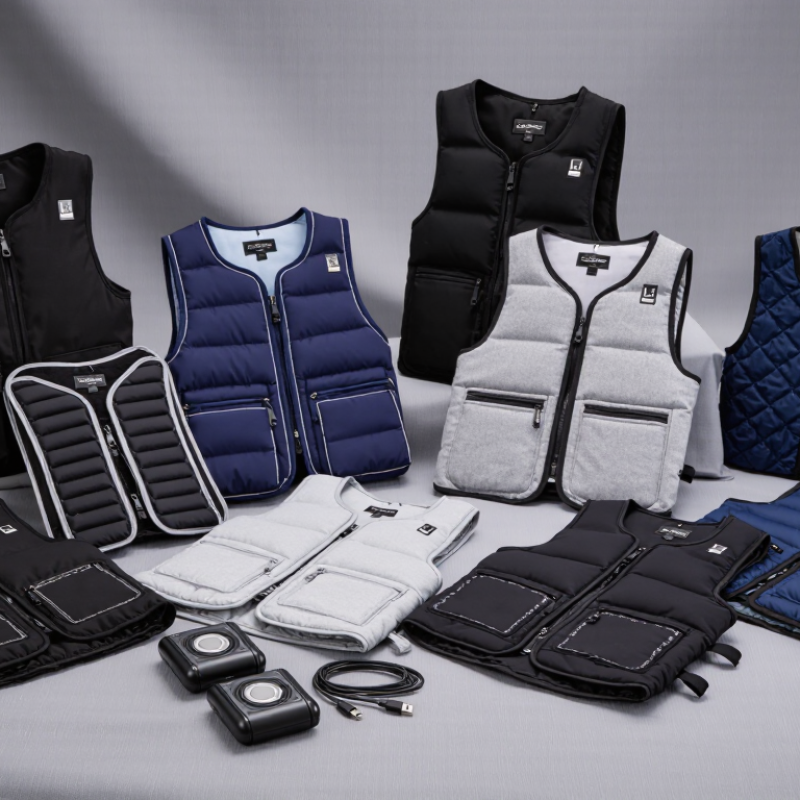
A body warmer is a wearable product that adds warmth around the torso. It may look like a slim vest, padded layer, or small heating panel. Its purpose is simple: reduce heat loss near the chest, back, and waist. Some designs use insulation, while others create heat through rechargeable elements or air-activated materials. Insulation traps warm air. Heating elements convert electrical energy into controlled warmth. Air-activated warmers release heat through a gradual chemical reaction. The explanation sounds simple, but performance depends on fit, airflow, clothing layers, and moisture.

For global buyers, construction details matter. A reliable body warmer should distribute heat evenly and avoid uncomfortable hot spots. Check the heating zones, temperature settings, battery protection, stitching, and washing instructions. In my experience, loose garments often feel less effective because warm air escapes around the shoulders and sides. Product photos can also make warmth look more uniform than it feels in real use. Testing should include outdoor movement, seated work, and changing weather. Comfort is not a minor feature.

Tips: Choose a size that allows one thin layer underneath. Keep rechargeable units away from water unless clearly rated for it. Follow the care label. Stop using the warmer if the surface becomes unusually hot, damaged, or swollen. For buyers comparing manufacturers, request material specifications, test records, and sample feedback before placing a large order. Small details often reveal more than polished catalog language.

What Is a Body Warmer and How Does It Work?

Body warmers are portable heating products designed to provide localized warmth. Disposable warmers commonly use air-activated iron oxidation, reusable packs use sodium acetate crystallization, and electric warmers use rechargeable batteries and heating elements.

The chart compares commonly stated operating-time ranges for major body-warmer formats. Actual performance depends on temperature, airflow, insulation, battery capacity, and usage conditions.

Key Criteria for Choosing a Global Body Warmer Manufacturer

Choosing among the 10 best body warmer manufacturers requires more than comparing prices. A reliable supplier should show practical experience with different climates, user needs, and heating technologies. Ask for product samples before placing a large order. Check heating consistency across the panels, charging performance, fabric comfort, and washing instructions. Small details matter. A warm product can still fail if the battery feels heavy or the controller is confusing.

Technical evidence should support every important claim. Request test reports, material specifications, battery safety documents, and clear quality-control procedures. Confirm whether production follows recognized standards in your target markets. Review the manufacturer’s traceability system, inspection records, and response process for defective units. Production capacity also deserves attention. A factory may promise high volume, yet struggle with seasonal demand or custom packaging. A polished website is not proof. Direct verification remains essential.

Tips: Compare samples from at least three manufacturers. Ask for written lead times and replacement policies. Discuss minimum order quantities early. Test products in realistic conditions, including cold outdoor use and repeated charging. Also, inspect communication quality. Slow or vague answers may create bigger problems later. I have learned that the cheapest quotation rarely reflects the full purchasing risk. Still, even careful buyers can miss hidden costs, so leave room for one more review before approval.

10 Leading Body Warmer Manufacturers for International Buyers

10 Leading Body Warmer Manufacturers for International Buyers

International buyers need more than attractive catalog photos when selecting body warmer manufacturers. Practical evaluation starts with heating performance, material quality, production capacity, and documented safety controls. A reliable manufacturer should explain its heating technology, fabric composition, battery specifications, and testing process clearly.

In my procurement experience, the strongest suppliers provide samples before discussing large orders. Sample testing should cover warmth duration, skin comfort, charging stability, stitching, and washing resistance.

For disposable warmers, buyers should examine activation time, temperature consistency, packaging strength, and shelf-life records. Manufacturers serving different climates may also offer adjustable heating levels, lightweight insulation, or moisture-resistant materials.

Factory audits can reveal details that websites hide. Check quality-control staff, storage conditions, traceability systems, and worker training. Ask whether production records match shipment documents.

Export experience matters, but it does not replace independent verification. Certifications and laboratory reports should be current and relevant to the destination market.

No supplier is perfect, and pricing alone can mislead. A low unit cost may reflect thinner fabric, weaker batteries, or limited after-sales support. I would also question unusually fast delivery promises. They sound efficient, yet they may indicate rushed testing. Clear communication, realistic lead times, and flexible sampling usually create safer long-term cooperation.

How to Compare Product Quality, Pricing, and Customization

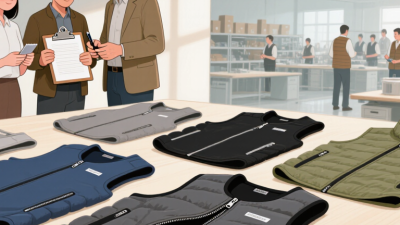
When comparing body warmer manufacturers, inspect the product beyond catalog photographs. Ask for fabric composition, insulation weight, heating-zone layout, and wash-test records. A reliable supplier should provide sample measurements, test reports, and a clear defect standard. Details matter. During sampling, check whether heat spreads evenly across the back and chest. Feel the seams after repeated bending, not only when the garment is new. Loose threads and stiff wiring often reveal weak production control. In practical evaluations, a warm sample can still hide poor battery-pocket design.

Pricing comparisons should use identical specifications. Compare fabric weight, heating elements, battery capacity, packaging, minimum order quantity, and warranty terms. Request a full quotation that separates tooling, sample charges, freight, and inspection costs. A low unit price can become expensive. Ask how the manufacturer handles uneven heating, damaged zippers, or late replacements. Clear answers show operational maturity, although written promises still need checking against production records.

Customization requires more than adding a logo or changing a color. Provide a technical pack with measurements, seam locations, temperature settings, label requirements, and packaging details. Request a pre-production sample before approving bulk manufacturing. Also confirm whether electrical components have appropriate testing for your target markets. Manufacturers may agree to every request, but not every promise is realistic. Over-customization can increase defects and delay delivery. A simpler design may perform better, yet buyers sometimes discover this too late. Keep inspection checkpoints throughout development, rather than trusting one final sample.

What Global Buyers Should Check Before Placing an Order

10 Best Body Warmer Manufacturers for Global Buyers

What Global Buyers Should Check Before Placing an Order

A warm sample does not guarantee a reliable factory. Global buyers should inspect heating zones, battery capacity, charging time, fabric weight, and wash performance. Ask for evidence. Request recent test reports, production photos, and random inspection records. ISO’s annual survey records more than one million ISO 9001 certificates worldwide, but certification alone cannot prove consistent product quality.

Battery compliance needs special attention. Ask whether the battery passed UN 38.3 transport testing and IEC 62133-2 safety testing. Confirm protection against overheating, short circuits, and overcharging. Request clear specifications for voltage, capacity, charging cycles, and replacement batteries. The International Air Transport Association continues to update lithium battery shipping requirements, so old documents may create delays or rejected cargo.

Material traceability also affects long-term purchasing decisions. Textile Exchange’s Materials Market Report 2024 estimated global fiber production at 124 million tonnes in 2023, with growth projected toward 160 million tonnes by 2030. Buyers should check fiber content, recycled claims, insulation composition, and supplier records. A factory may show a polished prototype while using different materials in bulk production. I would not trust a perfect sample alone. Compare pre-production samples with independent inspection results. Check carton labels, care instructions, spare parts, lead times, and warranty handling before signing. Mistakes still happen, especially when specifications remain vague.

10 Best Body Warmer Manufacturers for Global Buyers - What Global Buyers Should Check Before Placing an Order

Rank Anonymous Manufacturer Profile Primary Product Capability Heating-Zone Options Battery & Charging Requirements Safety & Compliance Documents to Request Quality Evidence to Check Best Fit for Global Buyers Pre-Order Verification Point
1 Manufacturer Profile 01 OEM heated vests for outdoor and workwear applications Front, back, and collar heating configurations Removable rechargeable lithium battery; request UN 38.3 transport test evidence and charging specifications CE or UKCA where applicable, RoHS, REACH, IEC 62133-2 test evidence, and battery safety documents Pre-production sample, electrical safety test report, inspection records, and written warranty terms Private-label orders requiring flexible garment patterns Confirm heating uniformity, wash-care instructions, connector durability, and battery compatibility
2 Manufacturer Profile 02 Heated jackets designed for cold-weather consumer use Two to five independently controlled zones Multiple heat levels with over-temperature protection and a clearly rated USB charging system Applicable EMC, low-voltage, chemical-restriction, and battery transport documentation AQL inspection plan, seam-strength records, colorfastness testing, and care-label review Retail programs needing finished garments and packaging support Check actual heating time at each power setting rather than relying only on catalog claims
3 Manufacturer Profile 03 Heated base layers and lightweight body warmers Chest and upper-back heating with low-profile elements Compact battery pack; verify watt-hour rating, charging time, cycle life, and replacement availability Battery test summary, EMC evidence, RoHS or equivalent substance compliance, and user instructions Fabric composition, stretch recovery, moisture management, and repeated-wash test results Travel, commuting, skiing, and other applications where low bulk matters Verify that heating elements remain flexible and insulated after washing and repeated bending
4 Manufacturer Profile 04 Industrial and occupational heated workwear Back, abdomen, pocket, and shoulder-zone options Replaceable battery system with protected wiring and strain-relieved connectors Product risk assessment, electrical test reports, battery transport documents, and applicable PPE evidence if claimed Seam testing, abrasion testing, zipper testing, wash-cycle records, and production traceability Construction, logistics, warehouse, and outdoor maintenance programs Do not assume the garment is certified protective equipment; verify each claimed protection level separately
5 Manufacturer Profile 05 Heated body warmers with custom fabric and trim development Custom placement based on technical drawings and sample approval Battery pocket and cable routing customized to the garment pattern Material declarations, battery documentation, EMC records, and market-specific labeling files Approved sample, bill of materials, color standards, and change-control procedure Fashion, promotional, and private-label collections Require written approval before any substitution of fabric, heating element, battery, or controller
6 Manufacturer Profile 06 Apparel with temperature-control electronics Multi-level control through a garment switch or approved mobile interface Rechargeable battery with protected charging circuit; request software and firmware version control if applicable EMC testing, radio-equipment documentation where wireless functions exist, privacy information, and battery safety records Functional test procedure, app compatibility testing, cybersecurity review, and failure-rate data Connected-product launches and premium e-commerce ranges Confirm operating-system support, data handling, offline operation, and after-sales software support
7 Manufacturer Profile 07 Winter sports and outdoor recreation body warmers Back, hand-pocket, and chest heating options Battery and cable system designed for movement; verify cold-temperature performance Battery transport test, EMC evidence, material compliance, and water-resistance test scope Water-repellent fabric test, zipper and seam tests, cold-chamber test, and wash durability Skiing, hiking, camping, cycling, and outdoor leisure channels Clarify whether water resistance applies to the fabric only or to the complete powered garment
8 Manufacturer Profile 08 Large-volume promotional and corporate merchandise programs Standardized front and back heating layout Standard battery configuration with bulk-order packaging and labeling review Market-specific conformity files, battery transport documents, product labels, and user manuals Pre-shipment inspection, carton-drop test, barcode verification, and batch traceability Events, employee programs, seasonal campaigns, and distributor orders Confirm production capacity, lead time, packaging artwork approval, and replacement-unit policy
9 Manufacturer Profile 09 Premium technical apparel with advanced insulation Four or more zones with independent temperature settings Higher-capacity removable battery; verify actual runtime under each heating mode Complete technical file, battery safety evidence, EMC documentation, and substance-restriction declarations Thermal mapping, insulation test, seam sealing, wash-cycle testing, and component traceability Premium outdoor, travel, and specialist retail segments Compare measured thermal performance with the approved sample and defined test conditions
10 Manufacturer Profile 10 Flexible OEM/ODM production for international distributors Standard and custom layouts subject to engineering review Customer-specified battery options subject to safety, transport, and compatibility approval Destination-market conformity assessment, UN 38.3 evidence, IEC 62133-2 evidence, and user documentation ISO 9001 certification status, factory audit, corrective-action records, and final inspection report Importers requiring regional versions, multilingual packaging, and repeat orders Confirm Incoterms, export experience, product liability responsibilities, warranty process, and spare-part support
Global Buyer Checklist: Always match the required conformity documents to the destination market, product category, battery type, wireless functions, and advertised performance. Request a production sample and independent inspection before placing a large order.