How to Choose Heat Patches for Global Buyers in 2026?
Choosing Heat Patches in 2026 requires more than comparing prices and package designs. Buyers must examine safety, performance, materials, and regional compliance. The global market is expanding, supported by consumer demand for convenient, non-invasive comfort products. Grand View Research reports continued growth in the broader pain management market, while Fortune Business Insights identifies rising self-care adoption as a key market driver. These reports offer direction, but forecasts are not guarantees.
Real-world purchasing decisions are often more practical. A buyer may open a sample carton and check whether the patch stays attached during an eight-hour work shift. They may inspect adhesive strength, odor, heat consistency, and skin comfort. Important details.
Product specifications should include heating duration, activation method, maximum temperature, ingredient disclosure, and storage conditions. Packaging should provide clear instructions and warnings. Regional requirements also matter, especially for labeling, claims, consumer protection, and medical-device classification. The U.S. FDA and European regulators expect evidence-based communication, not exaggerated promises.
Pain specialist Dr. Andrea Furlan explains: “Heat may relieve symptoms, but it does not treat every cause of pain.” That distinction should guide responsible sourcing. Heat Patches can support temporary comfort, yet they should never replace medical assessment for severe, persistent, or unexplained pain.
The market is not perfectly transparent. Some suppliers publish impressive claims without enough testing detail. A low unit price can hide weak adhesive, inconsistent heating, or excessive packaging waste. Global buyers should request laboratory reports, batch records, stability data, and samples before placing large orders. Even then, judgment remains necessary. A reliable choice is rarely the cheapest one.
What Are Heat Patches and How Do They Work?
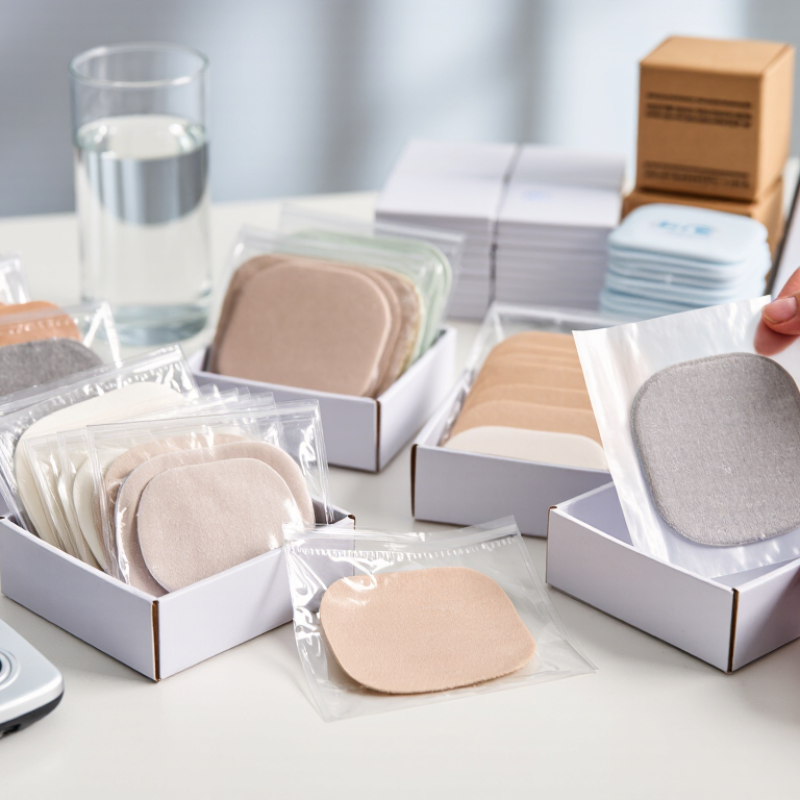
Heat patches are portable products that provide gentle warmth to a selected body area. Many disposable patches use iron powder, salt, water, and activated carbon. When exposed to air, the iron slowly oxidizes and releases heat. The patch usually reaches a steady temperature over several minutes, then remains warm for several hours. Reusable designs may use a crystallizing solution or another heat-storage material.
The warmth can relax tight muscles and improve comfort during cold weather or everyday physical strain. However, heat patches do not diagnose or treat medical conditions. Temperature, heating time, adhesive strength, and skin contact all affect the user experience. A patch that feels comfortable through clothing may feel too hot directly on sensitive skin. Check the instructions carefully.
For global buyers in 2026, product testing should cover different climates, packaging conditions, and user habits. Humidity can affect air-activated patches before use. Buyers should request temperature curves, shelf-life data, material declarations, and skin-safety test results. Local labeling and consumer-product rules also matter. A warm patch is not automatically a better patch. In practice, comfort may be more important than peak heat, though this is easy to overlook. Avoid applying patches to broken, irritated, numb, or sleeping skin, and remove one if burning, redness, or discomfort appears.
What Certifications and Regulations Apply in Different Markets?
How to Choose Heat Patches for Global Buyers in 2026?
Regulatory status depends on the product’s claims, ingredients, and heating method. In the European Union, a patch claiming pain relief may fall under Regulation (EU) 2017/745 and require CE marking. A warming-only product usually follows the General Product Safety Regulation, REACH, and local labeling rules. The European Commission’s Safety Gate 2023 report recorded 3,412 product alerts, showing why traceability and safety files matter.
The United States requires careful classification. Products with medicinal ingredients or therapeutic claims may need FDA compliance under applicable over-the-counter drug rules. General warming patches still need consumer safety evaluation, clear burn warnings, and responsible packaging. In the United Kingdom, sellers should review the General Product Safety Regulations and UK medical-device requirements. CE recognition may still apply during current transition periods, but the route depends on the product category.
China may require NMPA registration or filing when medical claims are made. Japan commonly applies the PMD Act to therapeutic products, while Australia may regulate them through the TGA. Keep evidence ready: ingredient specifications, temperature curves, skin-compatibility tests, shelf-life data, and complaint records. A 42°C surface can feel comfortable in testing but become unsafe during prolonged use. That detail is easy to miss. Certification alone does not prove real-world safety. Claims should match clinical evidence, not sales ambition. Some classifications remain uncertain, so obtain written advice from local regulatory professionals before shipment.
How Can Buyers Compare Suppliers, Costs, Packaging, and Sustainability?
How to Choose Heat Patches for Global Buyers in 2026?
Choosing heat patches in 2026 means comparing evidence, not catalog photos. I have reviewed samples where identical sizes delivered different warmth profiles. Ask suppliers for ingredient specifications, heating curves, shelf-life data, and independent safety test reports. Check whether results match the finished patch, not only the raw materials. Request production samples from separate batches. A single attractive sample can mislead. Keep that doubt.
Compare costs at the landed level. Include unit price, tooling, carton space, freight, duties, inspection, and disposal fees. Ask for minimum order quantities, payment terms, lead times, and replacement policies in writing. A low quote may hide large orders or weak moisture protection. Test patches after transport simulations involving heat, humidity, and compression. Record opening time, temperature, adhesion, odor, and skin comfort. These details support fair supplier comparisons.
Packaging should protect the patch while avoiding unnecessary layers. Compare paper, film, and mixed-material options by weight, barrier performance, and local recycling access. “Recyclable” is not universal. Request packaging composition, recycled-content evidence, and factory environmental records. Also review labor and traceability practices through credible audits. Trade-offs remain. Thinner packaging may reduce waste but increase damaged units. Calculate total waste instead of trusting green claims. Local distributors may reveal problems that laboratory data misses.
How to Choose Heat Patches for Global Buyers in 2026?
Key benchmark indicators for comparing heat-patch suppliers, costs, packaging, and sustainability across international markets.
Typical heat patches provide approximately 8–12 hours of warmth, activate within 5–15 minutes, and commonly offer a 24–36 month shelf life. Minimum order quantities often range from 1,000 to 10,000 units, while packaging should be assessed for material reduction, recyclability, and local labeling requirements. Buyers should verify final specifications through supplier documentation and product testing.