DOWNLOAD CATALOG
Leave Your Message

Why Are Heat Patches Popular for Global Sourcing?

Heat Patches have become popular in global sourcing because they offer portable warmth, simple use, and broad market appeal. Buyers can source them for pharmacies, sports retailers, travel stores, workplace suppliers, and everyday wellness brands. Their thin packaging fits easily into cartons, drawers, and online orders. A commuter may place one inside a coat pocket before a cold morning. A warehouse worker may value the same convenience during an outdoor shift.

From a sourcing perspective, the product combines manageable logistics with repeat purchasing potential. Many suppliers offer different sizes, adhesive designs, activation methods, and packaging formats. Private-label options also help brands create regional product lines without developing an entirely new product. However, popularity should not replace careful evaluation. A supplier’s factory audit, production records, material specifications, and quality testing deserve close attention. Buyers should request clear information about heat duration, maximum temperature, skin-contact materials, shelf life, and storage conditions. Small details matter.

Safety communication matters even more.

Reliable sourcing requires more than comparing unit prices. Importers should review product claims, labeling rules, packaging languages, and applicable market requirements before placing orders. Testing should reflect realistic use, not only ideal laboratory conditions. Some products may perform differently in cold warehouses or humid shipping environments. That issue is easy to overlook. Experienced buyers often begin with samples, monitor batch consistency, and document corrective actions. This process may feel slower, but it reduces avoidable returns and protects customer trust. Heat Patches are promising sourcing products, yet their success depends on evidence, disciplined quality control, and honest communication. The market is attractive, but not effortless.

Why Are Heat Patches Popular for Global Sourcing?

What Are Heat Patches and How Do They Work?

Why Are Heat Patches Popular for Global Sourcing?

What Are Heat Patches and How Do They Work?

Heat patches are thin, portable products that deliver gentle warmth to a selected body area. Many use iron powder, activated carbon, salt, water, and cellulose. When exposed to oxygen, the iron slowly oxidizes and releases heat. This reaction can continue for several hours, depending on the patch design, airflow, and surrounding temperature.

The warmth may relax tight muscles and increase local blood flow. The American College of Physicians includes superficial heat among options for acute or subacute low-back pain. A Cochrane review also reported short-term benefits from heat therapy, although the evidence quality was limited. The evidence is useful, but not spotless. Heat does not remove every cause of pain.

Demand also reflects practical sourcing needs. The World Health Organization reported that low-back pain affected about 619 million people in 2020. It expects this number to reach 843 million by 2050. Lightweight packaging, long shelf life, and simple use make heat patches attractive for international distribution. Buyers still need careful checks. Temperature consistency, adhesive performance, skin-contact materials, and safety instructions can vary greatly. A patch that feels comfortable on one user may irritate another. Extended wear, sleeping with a patch, or applying it to damaged skin can increase burn risk. Independent testing and clear usage guidance remain essential.


Why Are Heat Patches Popular in Global Sourcing?

Heat patches are popular in global sourcing because they are compact, lightweight, and simple to distribute. Most products need no battery or electrical connection. That reduces freight complexity and supports retail, pharmacy, and online channels.

Small packs travel well. This matters.

The demand also reflects a large health need. The World Health Organization reports that about 1.71 billion people live with musculoskeletal conditions worldwide. A 2023 Lancet study estimated that 619 million people experienced low back pain in 2020. It projects 843 million cases by 2050. These figures help explain continued interest in convenient, non-invasive comfort products. Fortune Business Insights valued the global pain management market at about USD 75.89 billion in 2023, showing a broad commercial environment for related products.

For sourcing teams, product consistency is more important than a low unit price. Buyers should check heat duration, maximum temperature, adhesive performance, odor, packaging strength, and shelf life. Transit testing also matters, especially after exposure to heat and humidity. Labels must match the destination market’s requirements, including usage instructions and safety warnings. Claims need credible evidence.

The category is not flawless. Heat output may vary between batches. Adhesive can irritate sensitive skin. Market forecasts also differ widely, so purchasing decisions should not rely on one report. Grand View Research’s 2024 analysis indicates continued growth in heat therapy products, but projections remain estimates, not guarantees. Supplier audits and sample testing remain essential.

What Materials and Designs Are Used in Heat Patches?

Why Are Heat Patches Popular for Global Sourcing?

What Materials and Designs Are Used in Heat Patches?

Heat patches usually combine iron powder, activated carbon, salt, water, and mineral fillers. When exposed to air, the iron gradually oxidizes and releases gentle heat. A breathable nonwoven pouch controls airflow and helps distribute warmth across the surface. Some designs use a soft adhesive layer, while others fit inside fabric sleeves for easier removal.

Materials must balance heat output, flexibility, comfort, and storage stability. Many suppliers choose thin laminates that resist moisture before opening. The patch may include curved edges, body-friendly shapes, or separate heating zones. These details matter around the lower back, shoulders, and joints. In practical sourcing work, I have found that a thinner patch is not always better. It can heat quickly but feel less stable during movement.

Tips: Ask for ingredient disclosure, heating-time data, skin-contact testing, and packaging specifications. Check whether the adhesive leaves residue after several hours. Confirm performance under different room temperatures. Also, review applicable safety requirements in the target market. Testing should include unopened storage samples and real-use trials. No design is perfect. A patch that feels comfortable for one user may feel too warm for another. Suppliers should communicate clear usage instructions and avoid unsupported medical claims.

How Are Heat Patches Manufactured and Quality Controlled?

Why Are Heat Patches Popular for Global Sourcing?

Heat patches are popular because they are compact, lightweight, and convenient for daily comfort. Their simple packaging also supports efficient storage and international distribution. However, dependable sourcing depends on manufacturing discipline, not appearance alone.

Most disposable patches contain iron powder, activated carbon, salt, water, and mineral fillers. These materials are blended under controlled conditions before filling into breathable pouches. The pouch must regulate oxygen entry carefully. Too much oxygen may cause uneven heating. Too little may reduce performance. Workers inspect fill weight, seal strength, surface temperature, heating duration, and package integrity. Samples from each production lot should be tested and recorded. Temperature testing should reflect real use, including different room conditions. Quality teams also review raw-material certificates, equipment calibration, and traceability records. No process is flawless. Small variations can still appear.

Tips: Ask suppliers for batch test reports, stability data, and documented quality procedures. Confirm that packaging protects patches from moisture and accidental activation. Review applicable market requirements before purchase. Avoid judging quality from the lowest quotation alone. A practical audit can reveal more than polished samples. Also, test samples personally under controlled conditions. Check warmth, odor, adhesion, and comfort over time. Feedback from actual users may expose weaknesses that laboratory checks miss.

Why Are Heat Patches Popular for Global Sourcing? - How Are Heat Patches Manufactured and Quality Controlled?

Category Data Dimension Typical Data or Requirement Global Sourcing Relevance
Product Advantages Heating activation Most air-activated patches begin warming after the sealed pouch is opened and oxygen reaches the heating mixture. The product does not require batteries, charging equipment, or an external power supply.
Heating principle Heat is generated by the controlled oxidation of iron powder in the presence of oxygen, moisture, salt, and supporting materials. The chemical system is suitable for compact, disposable products and does not require electronic components.
Typical surface temperature Approximately 40–60°C for many consumer warming patches, depending on formulation, airflow, placement, and product design. Temperature limits must be clearly specified because prolonged skin contact can cause low-temperature burns.
Heating duration Common consumer formats are designed to provide several hours of warmth, often about 8–12 hours, subject to product construction and test conditions. Long operating time supports travel, outdoor use, workplace use, and seasonal retail distribution.
Product form Common forms include adhesive body patches, non-adhesive warmers, foot warmers, hand warmers, and flexible wrap-style products. Different formats allow sourcing programs to serve healthcare, outdoor, sports, workwear, and general consumer channels.
Storage and transport Unopened products must remain in airtight individual pouches and should be protected from pouch damage, excessive heat, and humidity. Individual barrier packaging helps preserve shelf life and simplifies export packing and retail handling.
Manufacturing Process Raw-material preparation Iron powder, activated carbon, salt, water-retention materials such as vermiculite, and other formulation components are weighed according to the approved formula. Controlled weighing supports consistent heat output between production batches.
Mixing Dry and moisture-containing components are mixed under controlled time, speed, and environmental conditions. Uniform mixing reduces hot spots, weak heating, and variation in activation time.
Breathable inner layer The heating mixture is filled into a porous or air-permeable layer that controls oxygen diffusion. Air permeability is a key design factor affecting heating rate, peak temperature, and duration.
Adhesive and backing application For adhesive patches, pressure-sensitive adhesive and a release liner are applied to the specified pattern and coverage area. Adhesive performance affects user comfort, secure placement, residue, and removal behavior.
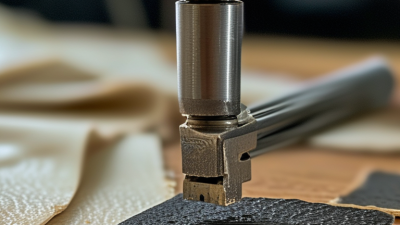
Die cutting and assembly Web materials are cut into the required shape, assembled with liners or protective layers, and checked for dimensions and alignment. Stable dimensions improve packing efficiency and reduce defects during automated or manual packing.
Individual pouch sealing Each patch is sealed in a high-barrier pouch designed to limit oxygen and moisture entry before use. Seal integrity is essential for shelf life, export storage, and reliable activation at the point of use.
Coding and packing Lot numbers, manufacturing dates, expiry information, usage instructions, and carton identification are applied according to the destination market. Traceable coding supports customs documentation, inventory control, complaint investigation, and product recall management.
Quality Control Raw-material identity Verify material identity, appearance, supplier documentation, lot number, and acceptance status before production. Prevents unapproved or contaminated materials from entering the formulation process.
Fill weight Check the mass of the heating mixture in accordance with the approved product specification and sampling plan. Fill-weight consistency is directly related to heating capacity and batch uniformity.
Activation time Measure the time from pouch opening to the defined warming threshold under controlled temperature and airflow conditions. Confirms that the product activates consistently for the intended user experience.
Temperature profile Record time-to-peak temperature, peak temperature, average temperature, and cooling behavior using calibrated temperature sensors. Testing helps identify excessive heat, insufficient heat, uneven heating, and batch-to-batch variation.
Heating duration Confirm that the product remains within the approved temperature-performance range for the specified service period. Supports accurate product claims and reduces the risk of performance complaints.
Pouch seal integrity Inspect seal width, seal appearance, leakage risk, and opening performance using validated visual and physical test methods. A defective seal can cause premature activation, reduced shelf life, or product damage during transport.
Adhesion and skin-contact safety Evaluate peel adhesion, holding performance, residue, liner release, and relevant skin-contact safety requirements for the destination market. Requirements vary by product claims and jurisdiction; technical files and applicable safety assessments should be maintained.
Visual, dimensional, and labeling inspection Check shape, size, wrinkles, contamination, print quality, lot coding, instructions, warnings, and carton quantity. Final inspection reduces packaging errors and supports destination-market compliance.
Sourcing Evaluation Specification control The buyer should approve a controlled specification covering dimensions, fill weight, temperature profile, duration, pouch structure, adhesive, packaging, and labeling. A fixed specification makes supplier quotations and pre-shipment inspections comparable.
Batch traceability Each production batch should be linked to raw-material lots, production records, test results, packaging records, and shipment cartons. Traceability supports corrective action and risk management across international supply chains.
Shelf-life verification Use real-time and, where justified, accelerated aging studies to evaluate pouch integrity and heating performance over the claimed shelf life. Shelf-life evidence helps determine inventory rotation, shipping conditions, and expiry-date policy.
Export packaging Use protective cartons and moisture-resistant logistics packaging appropriate for the planned transport route and warehouse conditions. Proper secondary packaging reduces compression, puncture, humidity, and handling damage during international transport.
Pre-shipment release Release the shipment only after review of inspection results, product samples, quantity, packaging, labeling, and required compliance documents. A documented release process reduces the risk of receiving nonconforming goods in the destination country.

Note: Temperature, duration, dimensions, adhesive performance, labeling, and regulatory requirements vary by formulation, product format, intended use, and destination market. Final acceptance limits should be defined in the approved product specification.

What Factors Should Buyers Consider When Sourcing Heat Patches?

Heat patches remain attractive because they are portable, discreet, and easy to apply during work or travel. The World Health Organization reported that 619 million people experienced low back pain in 2020. It projects 843 million cases by 2050. This demand makes sourcing decisions more important than packaging appearance.

Buyers should verify the patch’s heating curve, not only its advertised duration. A factory should provide temperature data from multiple batches, including the first 30 minutes. Excessive heat can irritate skin or cause burns, especially during sleep. Ask for skin-safety testing, adhesive residue checks, and stability results after storage in humid conditions. Small details matter.

Material transparency also deserves attention. Suppliers should identify the carrier fabric, adhesive, pouch film, and warming ingredients. Lot codes, production records, and complaint procedures support traceability. ISO 10993-based biocompatibility testing may be relevant when prolonged skin contact is expected. Regulatory classification can differ by country, especially when packaging makes pain-relief or therapeutic claims. Buyers should review local requirements before approving artwork.

Cost comparisons often mislead. A cheaper patch may use weaker adhesive or inconsistent warming chemistry. Request independent laboratory reports, pre-shipment inspections, and samples from several production lots. I would not treat one successful sample as proof of reliable mass production. Not every factory fits. WHO’s 2023 guideline also emphasizes appropriate, evidence-informed care, so sourcing teams should avoid unsupported medical promises.