Choosing the right Toe Warmer for global markets involves more than comparing prices and heating times. Buyers must examine product design, materials, packaging, instructions, and supplier reliability. A warmer that performs well in a warehouse may disappoint during a snowy outdoor event. Climate matters. So does storage.
This guide presents ten practical buying tips for importers, distributors, retailers, and procurement teams. It considers air-activated and reusable options, expected warmth duration, activation conditions, skin-contact guidance, and user comfort. Product samples should be tested in realistic situations, including cold transport, indoor storage, and extended wear. Small details can matter, such as packet size, adhesive strength, odor, and whether the warmer fits different footwear.
Documentation deserves equal attention. Buyers should request current specifications, safety information, test records, batch details, and clear labeling before placing large orders. Local import, packaging, chemical, and consumer-safety requirements can differ significantly between countries. Professional review remains important.
No product fits every market. That is the difficult part. A low-cost option may create more returns if heat is inconsistent or instructions are unclear. Even experienced buyers can overlook moisture exposure or seasonal demand changes. Reviewing supplier communication, production controls, and after-sales support can reduce those risks. The following tips are designed to support careful comparisons, realistic testing, and more dependable purchasing decisions across international supply chains.
Define the user’s warming need before comparing prices. A commuter may need gentle heat for two hours. A winter hiker may need longer protection inside damp boots. These are different purchasing conditions.
Check the expected temperature, activity level, footwear space, and wearing time. Thick insoles can press against a warmer and reduce comfort. Ask whether users have sensitive skin or reduced temperature awareness. Clear warnings and usage instructions matter. They are not optional.
Select the activation method carefully. Air-activated products need suitable packaging and enough time to warm. Battery-powered models require charging details, operating temperatures, and transport documentation.
Global buyers should request independent test reports, material information, batch records, and shelf-life data. Confirm product dimensions with real footwear samples, not only a catalog drawing.
I once trusted a stated thickness and missed the pressure created by a narrow toe box. That mistake changed the order specification. It was avoidable.
Request samples from several production batches when consistency matters. Review minimum order quantities, lead times, carton strength, labeling languages, and customs requirements.
Packaging also affects storage space and moisture protection. Do not assume one specification suits every market.
Collect feedback from actual users after cold-weather trials, then adjust warmth, fit, instructions, or packaging before placing a large order.
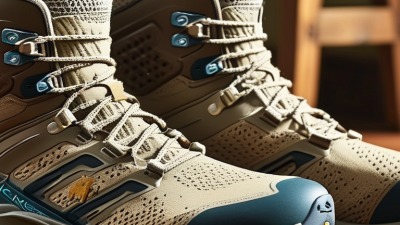
When comparing toe warmers, start with the heat source rather than the packaging.
Air-activated warmers use iron powder, salt, carbon, and moisture to create steady heat. They are lightweight and convenient for hiking, commuting, and warehouse work. However, performance depends on airflow and storage conditions. A sealed packet may warm slowly in cold weather.
A flexible pouch usually contains a crystallizing solution, often based on sodium acetate. It heats after activation and can be reset in hot water. These products reduce waste, but they need careful preparation and may feel bulky inside narrow footwear. Battery-powered warmers provide adjustable heat and longer control. They suit extended outdoor use, yet batteries add weight, charging needs, and possible failure in freezing conditions.
Soft, breathable covers improve comfort, while thin designs fit better beneath the toes. Avoid rough seams and stiff edges.
Heat can vary.
In practical testing, check warmth across the entire surface, not only near the center. Ask suppliers for material safety data, temperature testing, packaging durability, and instructions in relevant languages. I would also request samples before placing a large order. A warmer that performs well indoors may disappoint on wet ground. That limitation is easy to overlook. Temperature claims should be measured under stated conditions, because “warm” has no universal meaning.
Global buyers should treat heating time as a performance specification, not a marketing promise. Check how many minutes the warmer needs before use. A practical test starts in a cold room, not a showroom. Measure the wait with a timer. Some products feel warm quickly but lose heat under a thick sock. Others heat slowly and remain steadier. Ask whether the stated time reflects low, medium, or maximum output. This detail is easy to miss.
Temperature range matters more than a single “maximum” figure. Look for adjustable settings and clear temperature data in Celsius or Fahrenheit. A useful range should provide gentle warmth for resting and stronger heat for outdoor movement. Skin contact changes the result. Tight footwear can make moderate heat feel intense. Test the warmer inside the intended boot, with the sock thickness you normally wear. Do not rely only on hand comfort. Feet can respond differently.
Safety features deserve equal attention. Choose controls that prevent accidental activation and systems that limit overheating. Auto-shutoff, insulated surfaces, secure battery placement, and visible charge indicators add practical protection. Check charging instructions, operating temperatures, and local electrical requirements before importing. A product may meet one market’s rules but need different documentation elsewhere. Read independent test reports when available.
I once underestimated cold-weather battery loss, so runtime claims deserve a margin. Leave room for imperfect conditions. If the warmer becomes uncomfortably hot, remove it immediately and inspect the skin. Never sleep with an active warmer unless the instructions explicitly permit it.
10 Toe Warmer Buying Tips for Global Buyers
Evaluate Size, Packaging, Shelf Life, and Global Shipping Rules
Toe warmer size affects comfort, coverage, and heating performance inside different footwear. Measure the insert area before approving a bulk order. A warmer that folds easily may feel comfortable, but it can heat unevenly. Check whether the adhesive backing stays secure during walking. Test samples with thin socks, thick socks, and winter boots.
Packaging deserves careful inspection. Moisture-resistant pouches help protect the warming ingredients from air and humidity. Look for clear lot numbers, production dates, instructions, and storage conditions. Damaged seals can reduce performance before the product reaches customers. Small details matter. I have found that attractive packaging can hide weak sealing, so request compression and leakage checks.
Shelf life should be confirmed from the manufacturing date, not only from a printed expiration date. Ask suppliers for stability data and recommended warehouse temperatures. Avoid storing cartons near heaters, windows, or damp loading areas. Global shipping rules may classify air-activated warmers differently by destination and carrier. Confirm product composition, safety documents, labeling languages, and customs requirements before booking freight. Rules can change. Recheck them for every shipment, especially when shipping by air or entering a new market. A lower unit price is not useful if customs delays damage seasonal sales. Small pilot orders can reveal packaging, sizing, and transit problems before a large commitment.
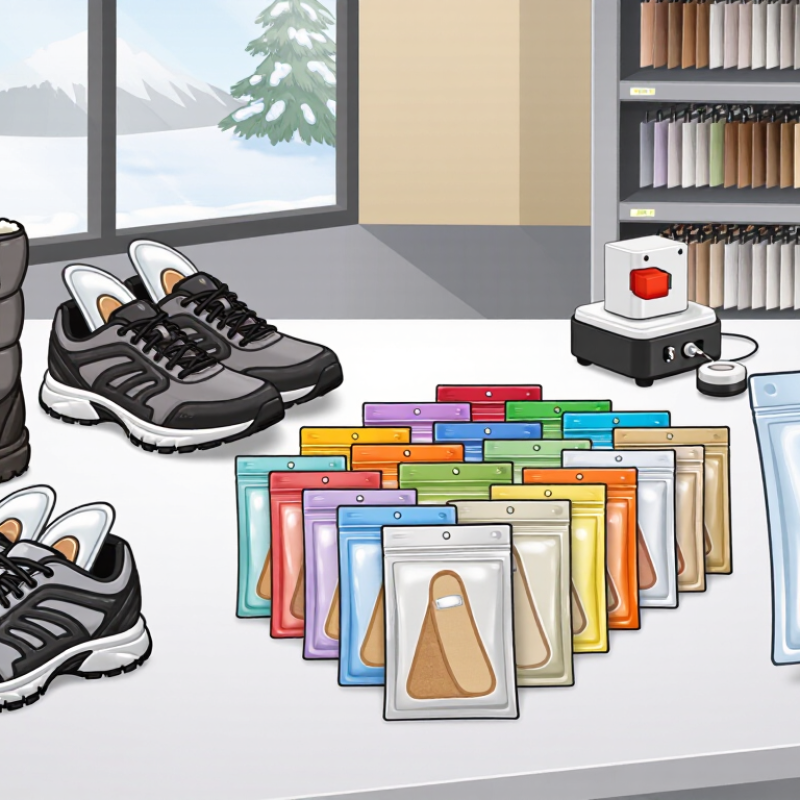
A practical purchasing framework for evaluating size, packaging, shelf life, product safety, and global shipping readiness.
The chart uses a 100-point sourcing framework. Product safety and compliance receive the highest priority, followed by heating performance, shelf life, packaging, shipping readiness, and fit. Buyers should confirm exact requirements with the destination country's customs, transport, labeling, and consumer-product regulations before placing an order.
10 Toe Warmer Buying Tips for Global Buyers
Confirm supplier quality before comparing prices. Request production samples from the same batch type you plan to order. Check warmth duration, activation time, packet size, and packaging strength. For electric models, inspect battery performance, charging protection, and temperature control. A sample can pass while mass production changes. I learned this the hard way with inconsistent heating results. Ask for batch records, inspection procedures, and clear defect limits. Factory photos help, but an independent inspection provides stronger evidence.
Certifications must match the product and destination market. Request current test reports, material declarations, and quality-system documents. Verify the issuing laboratory and report numbers. Do not accept screenshots without traceable details. Requirements may differ for air shipments, batteries, packaging, and chemical warmers. Confirm them with your logistics provider and local compliance adviser. Small paperwork gaps can delay a full container. That is expensive.
Pricing needs a complete breakdown. Compare product cost, packaging, testing, tooling, shipping terms, and replacement policies. The lowest quotation may exclude carton upgrades or inspection fees. Ask whether prices change with order volume or raw-material costs. Get the payment schedule in writing. Support matters after delivery. Choose a supplier that answers technical questions clearly and provides spare parts, complaint records, and corrective-action reports. Test communication before ordering. Send three practical questions and measure the response. Fast replies are useful, but accurate replies matter more. My own checklist is still imperfect, so I review it after every shipment.
| No. | Buying Dimension | What to Confirm | Practical Benchmark or Requirement | Documents or Evidence | Buyer Action |
|---|---|---|---|---|---|
| 1 | Supplier Quality System | Check whether the supplier controls incoming materials, production, packaging, and final inspection. | A documented quality process, traceable batch records, calibrated test equipment, and corrective-action procedures. | Quality manual, inspection checklist, factory audit report, and sample batch records. | Request a pre-shipment inspection and approve a sealed reference sample before mass production. |
| 2 | Heating Performance | Confirm heat-up time, operating temperature, heating duration, and temperature consistency. | For air-activated warmers, compare the supplier's tested temperature profile rather than relying only on a maximum-temperature claim. | Independent test report showing temperature over time under defined ambient conditions. | Test samples in the intended footwear, since airflow, socks, and shoe fit affect performance. |
| 3 | Material and Skin Safety | Review the pouch materials, adhesive, powder ingredients, odor, leakage resistance, and skin-contact warnings. | Packaging should remain intact during normal use; labeling should clearly state intended placement and not-use conditions. | Material declarations, safety data where applicable, migration or skin-contact test results, and warning-label artwork. | Avoid products with unclear ingredients or missing warnings. Require a documented complaint and incident process. |
| 4 | Certifications and Market Compliance | Match compliance documents to the destination market and product type. | Chemical warmers may require different documentation from rechargeable electric warmers. Electronic models may involve EMC, electrical-safety, and battery requirements. | Declaration of conformity, applicable test reports, labeling files, and battery transport documents when relevant. | Verify certificates through the issuing laboratory or certification body and confirm that model numbers match the quotation. |
| 5 | Shelf Life and Storage | Confirm unopened shelf life, recommended storage conditions, and packaging-barrier performance. | Ask for a stated shelf-life period and storage guidance for temperature, humidity, sunlight, and carton stacking. | Shelf-life test plan, production-date coding system, packaging specification, and storage instructions. | Use first-in, first-out inventory control and require remaining shelf life at delivery to be defined in the contract. |
| 6 | Unit Pricing and Landed Cost | Compare product price with packaging, tooling, inspection, freight, duties, and payment fees. | Create a landed-cost sheet for at least three quantities; low unit price can be offset by high freight or special packaging costs. | Formal quotation showing currency, Incoterm, validity period, packaging, payment terms, and all surcharges. | Compare like-for-like specifications and request price breaks for trial, standard, and repeat-order volumes. |
| 7 | MOQ and Lead Time | Confirm minimum order quantity, sample availability, production capacity, and seasonal constraints. | Require separate timelines for samples, artwork approval, production, inspection, and dispatch. | Written production schedule, capacity statement, sample invoice, and approved purchase-order terms. | Place seasonal orders early and include a late-delivery remedy or revised delivery commitment. |
| 8 | Packaging and Labeling | Check retail packaging, carton strength, language requirements, recycling marks, warnings, and barcode placement. | Labels should identify contents, quantity, batch or date code, instructions, warnings, and importer details where required. | Print-ready artwork, packaging specification, carton drop-test results where required, and label compliance review. | Approve artwork in writing and perform a barcode scan and carton inspection before shipment. |
| 9 | Logistics and Transport | Determine whether the product contains regulated chemicals, batteries, or other transport-controlled components. | Transport classification, packaging instructions, and carrier acceptance must be confirmed before booking. | Safety data sheet where applicable, transport test summary, battery documents, carton dimensions, and packing list. | Ask the freight forwarder to validate the shipping route and required declarations before production is completed. |
| 10 | Warranty and After-Sales Support | Clarify defect definitions, replacement policy, response time, spare parts, and handling of customer complaints. | Agree on an acceptable defect limit, claim evidence, response target, and corrective-action deadline before ordering. | Warranty terms, quality agreement, complaint form, escalation contacts, and corrective-action report template. | Include support obligations in the purchase contract and retain batch samples for future claim verification. |
Note: Pricing, lead time, certification requirements, and transport rules vary by product construction, destination market, order quantity, and current regulations. Confirm all values with the supplier, testing laboratory, customs broker, and freight carrier before purchase.