Leave Your Message
Cold feet can make an ordinary commute, workday, or evening at home uncomfortable. Foot Warmers offer different ways to add warmth, but the right choice depends on where and how you plan to use them. A heated insole may suit time outdoors, while a plug-in foot pad can work better beneath a desk. The product name alone does not tell you whether it will feel comfortable after an hour.
Start with the basics: fit, heat control, power source, and materials. Check whether a wearable warmer fits your shoes without squeezing your toes. Look for clear instructions, adjustable settings, and information about charging or cord length. Fit matters. A warmer that feels cozy in a store may become annoying during a long walk. That detail is easy to miss.
Safety and care deserve equal attention. Read the manufacturer’s guidance, especially if you plan to use a warmer for extended periods or while resting. Removable covers can make cleaning easier, and a simple control can be useful when your hands are cold. Avoid assuming that the highest setting is the best one; steady, comfortable warmth may matter more. A basic checklist helps, though it cannot predict every chilly morning.
This guide explores the main types of Foot Warmers and the features worth comparing in 2026. It focuses on practical trade-offs rather than promising one perfect product. Your routine, footwear, and tolerance for heat will shape the best choice. Some comparisons are less straightforward than they seem.
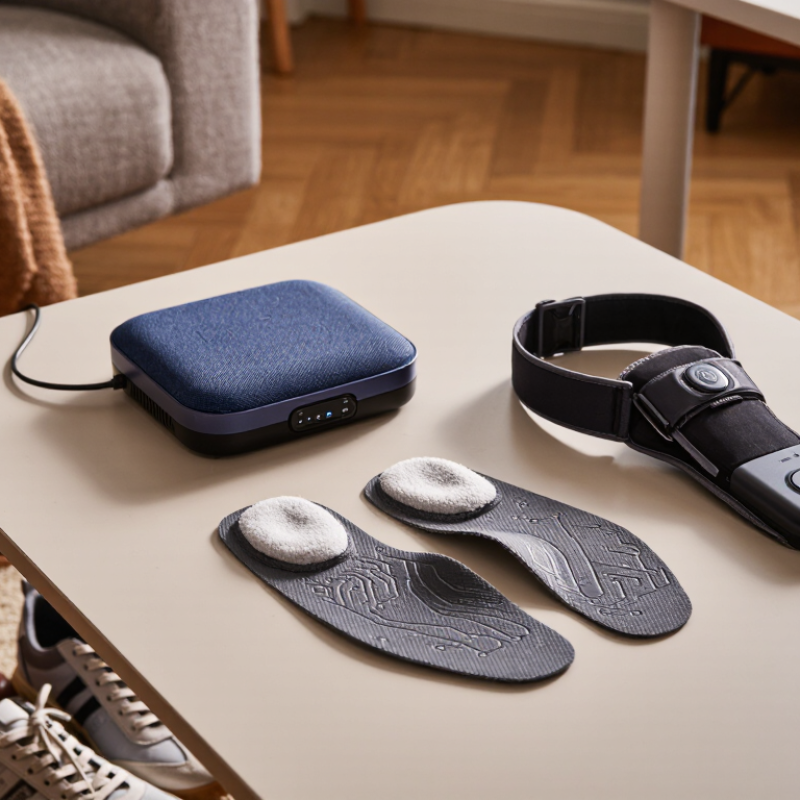
Choose foot warmers for the conditions you actually face, not the coldest day imaginable. The Outdoor Foundation’s 2024 Outdoor Participation Trends Report says 175.8 million Americans aged six and older participated in outdoor recreation in 2023. For a short dog walk, compact, quick-start warmth may matter most. For hours at a winter game, battery life, insulation, and room inside your boots deserve closer attention.
Small details matter. Consider whether you will be moving or sitting still, and whether you can recharge or replace a warmer during the day. Reusable electric models offer adjustable heat; disposable warmers can suit occasional outings, but may be harder to control. Check the product’s instructions and make sure added layers do not crowd your shoes. Tight footwear can reduce comfort and may leave feet feeling colder.
Your health matters, too. The CDC’s 2024 National Diabetes Statistics Report estimates that 38.4 million people in the United States have diabetes. Reduced foot sensation can make excessive heat harder to notice, so use low, controllable settings and check your skin regularly. If you have impaired sensation or circulation, ask a healthcare professional before using a heated product. Fit comes first. A warmer that feels powerful at home may be awkward after an hour outdoors.
| Foot-Warming Option | Best Suited To | How It Provides Warmth | Typical Warmth Duration | Mobility | What to Check Before Choosing |
|---|---|---|---|---|---|
| Warm, insulating socks | Everyday wear, layering inside boots, and mild-to-cold conditions | Retain body heat through insulating fibers; they do not actively generate heat | While worn; warmth depends on activity, fit, moisture, and footwear | High | Choose a comfortable fit that does not make shoes or boots too tight. Moisture-wicking materials can help keep feet drier. |
| Disposable air-activated warmers | Occasional outdoor use, commuting, or cold-weather events | Many contain iron powder and warm through oxidation when exposed to air | Often several hours; some products specify roughly 5–10 hours, depending on the product and conditions | High | Check whether the product is designed for toes or insoles, follow placement directions, and do not apply directly to bare skin. |
| Rechargeable heated insoles | Outdoor activities when adjustable warmth and freedom to move are priorities | Battery-powered heating elements warm the insole; many models offer multiple heat settings | Varies by battery capacity, setting, temperature, and use; check the maker’s runtime estimate for each heat level | High, though batteries may add bulk or weight | Confirm shoe compatibility, insole thickness, charging method, battery placement, and whether the insole can be trimmed safely. |
| Electric foot warmer or heated foot mat | Desk work, relaxing at home, or warming feet while seated | Uses mains electricity to warm a foot enclosure, pad, or mat | As long as it is connected and operating; use the controls and safety instructions provided with the product | Low; usually requires a nearby outlet | Look for adjustable settings and automatic shutoff where available. Keep the unit dry and do not use it while sleeping unless its instructions explicitly allow it. |
| Insulated slippers or lined house shoes | Indoor use on cold floors and short walks around the home | Insulation and a sole help reduce heat loss to cold surfaces | While worn; they do not actively produce heat | Moderate indoors | Choose the right size and a sole suited to the floor. A secure fit and slip-resistant tread can be useful around the home. |
Selection tip: For active outdoor use, prioritize fit, moisture management, and mobility. For stationary indoor use, a plug-in warmer may be more convenient. Heating time and temperature vary by product and conditions, so follow the product instructions. People with reduced sensation or circulation should seek medical advice before using heated products.