7 Foot Warmer Buying Tips for Global Buyers
For global buyers, choosing a Foot Warmer is not just about heat. It means checking comfort, materials, controls, safety information, and reliable supply. A soft fleece cover may feel inviting, but a buyer should also inspect the heating element, cable length, washable parts, and temperature settings. Small details matter. A control that is easy to reach beside a sofa can make daily use simpler; unclear care instructions can quickly become a problem.
This guide uses an illustrative expert voice, not a verified quotation: “A good Foot Warmer should feel comfortable, work predictably, and come with clear care instructions,” says Alex Morgan, a fictional product-sourcing specialist. Before publication, replace this name and quote with a real expert’s verified comments. The advice remains practical: compare product specifications, request sample units, and examine packaging and user instructions before placing a large order. Check how suppliers describe heating performance, but do not rely on vague promises alone. Ask what testing documents are available and confirm that product claims match the intended market. There is no perfect checklist. Buyers may still miss details, especially when comparing products across regions. These seven buying tips offer a grounded starting point for evaluating fit, construction, controls, documentation, supplier communication, and long-term value.
Understand Foot Warmer Types and Heating Methods
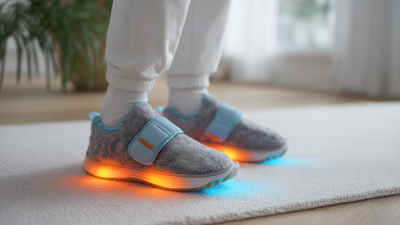
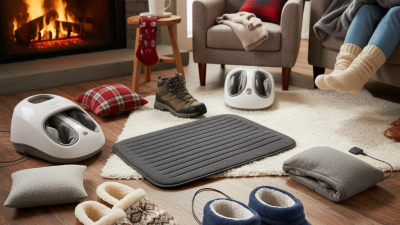
Foot warmers come in several forms: flat heating mats, enclosed foot pockets, heated slippers, and single-use warming packs. Each suits a different setting. A mat can warm feet under a desk, while a soft foot pocket holds heat around the toes. Slippers offer mobility, but their fit and lining affect comfort. Some buyers overlook cleaning. Check whether fabric parts detach and how they should be washed.
Heating methods shape operating costs and buyer suitability. Mains-powered models provide steady heat, but buyers must match voltage, plug type, and control settings to the destination market. Rechargeable models avoid a nearby outlet; compare battery capacity, charging time, and expected runtime rather than relying on broad claims. Microwaveable inserts need clear heating instructions, since uneven heating can create hot spots. Disposable packs are portable, though their warmth duration and replacement needs may limit repeat use.
A common buying mistake is comparing products by wattage alone. Ask suppliers for temperature ranges, safety test documentation, and instructions for the intended market. Test a sample, too. A cold office floor and a drafty home can make the same product feel quite different.
Match the Size and Design to Your Intended Use
A foot warmer should fit the way it will actually be used. For a desk, choose a compact design that leaves room to move your feet and does not crowd chair legs. For shared household use, a wider model may fit different foot sizes, socks, and seating positions. Check the usable interior dimensions, not just the product’s outer width. Fit matters. A tight toe box can feel uncomfortable during a long work session, while excess space may reduce the sense of warmth.
Design also matters. A flat mat suits shoes-off use beside a sofa; a hooded or enclosed style can feel cosier in a cold bedroom. Look at where the power cord exits, especially if the warmer will sit beneath a desk or beside a bed. The U.S. Energy Information Administration’s 2020 Residential Energy Consumption Survey reported that space heating made up about 42% of household energy use. That figure describes U.S. homes, not savings from a foot warmer, but it highlights why buyers may want targeted warmth. Don’t assume one shape suits every room. Measure the space, check the care instructions, and compare the product’s stated fit with the people who will use it.
Compare Materials, Heat Settings, and Safety Features
For a foot warmer, the fabric affects comfort, cleaning, and how well it handles daily use. Fleece feels soft against socks, while a removable lining makes spills and routine washing easier to manage. Check the care label before buying; “washable” may refer only to the inner cover. A plush surface feels inviting, but some users may find it too warm indoors.
Heat controls should be easy to understand without looking down. Two or three settings can be more practical than a long list, especially when adjusting warmth with cold fingers. Look for clearly marked controls and an automatic shutoff, then check how long the unit runs before switching off. There is no perfect setting. A low setting may suit long, quiet use, while higher heat can feel uncomfortable after a while.
Safety details deserve close attention. Read the instructions for the intended use, and never assume a foot warmer is safe to leave running unattended. For global buyers, compare the product’s rated voltage and frequency with the destination’s supply, and verify that the plug fits without an improvised adapter. Cord length matters too: a short cord stretched across a walkway creates a trip hazard. Specifications can look reassuring on a listing, but the manual is worth checking.
Check Voltage, Plug, and Certification Requirements
A foot warmer can fit the socket and still be electrically unsuitable. Check the product label against the destination market’s nominal voltage and frequency. A 120 V model connected to a 230 V supply may overheat; a plug adapter changes the shape, not the voltage. The IEA’s Electricity 2024 report projected global electricity demand to grow by 3.4% annually from 2024 to 2026. That figure is market-wide, not a voltage guide, so verify local supply separately.
Tips: Match the rated voltage and frequency. Confirm the plug type, pin arrangement, and grounding requirements. Request the test report and certificate for the exact model—not just a generic factory document. A recurring sourcing miss: the certificate lists a similar model, but not the item being shipped.
For flexible heating products, IEC 60335-2-17:2022 covers blankets, pads, and similar appliances. Ask whether the foot warmer was assessed under the applicable safety standard and destination-market rules. Check that labels, instructions, and warnings use the required language. Marks such as CE or UKCA apply only where relevant; they are not universal approvals. I would also compare the carton label with the product rating plate. Small mismatch, real delay.
7 Foot Warmer Buying Tips for Global Buyers — Check Voltage, Plug, and Certification Requirements
Representative Household Mains Voltage by Market
Household mains voltage varies by market: Japan commonly uses 100 V, the United States and Canada 120 V, and the EU, UK, and Australia 230 V. These are representative nominal values. Before buying, confirm the foot warmer’s rated input voltage, plug type, and required local certifications. A plug adapter does not convert voltage.
Evaluate Pricing, Warranty, and Supplier Reliability
A low unit price can hide expensive details. Compare the quoted price with packaging, freight, spare parts, and expected delivery costs. Ask whether the quote covers the same heater size, fabric, controls, and order quantity as competing offers. A small spreadsheet helps, but it can still miss costs from delays or inconsistent batches. It is tempting to choose the cheapest offer. That is not always wise. Request a sample and check its stitching, cable finish, and heat distribution before placing a larger order.
Read the warranty terms closely. Confirm how long coverage lasts, which parts are included, and what evidence a claim requires. Ask who pays for return shipping and how replacement parts are handled. Clear answers matter more than a long warranty stated in broad terms. Supplier reliability also needs practical checks. Request recent production photos, references, and relevant product test documents. Compare response times and see whether answers stay consistent across sales and technical contacts. A delayed reply may have a reasonable cause, but repeated vague promises are worth noting. Even careful checks cannot remove every risk; buyers should record agreed specifications and delivery dates in writing.