What Are the Best Body Warmer Types in 2026?
Choosing the best Body Warmer in 2026 depends on where you will wear it, how long you need warmth, and how much movement your day requires. A heated vest can suit a chilly commute or outdoor work, while a lightweight insulated gilet may feel simpler for everyday layering. Disposable warmers offer brief, targeted heat, but they are not a substitute for a well-fitting garment in cold or changing conditions. Small differences matter.
This guide compares the main types by warmth, comfort, power source, care, and practical value. For heated styles, check battery runtime claims carefully; cold weather and higher heat settings can reduce actual use time. Look for clear washing instructions, secure wiring, and safety guidance from the manufacturer. For non-powered styles, consider insulation, wind resistance, and whether the cut fits comfortably over a sweater without restricting your arms. A warm collar helps. So do usable pockets.
There is no single winner for everyone. Someone standing outdoors for hours may value adjustable heat, while a traveler may prefer a packable, battery-free layer. Reviews can help, but fit and personal tolerance for cold are difficult to judge from a product page. That part is easy to overlook. Our comparisons aim to make the trade-offs clearer, not promise warmth in every setting. Check product details, follow care instructions, and choose a Body Warmer suited to your routine and local conditions.
Understanding Body Warmers and Their Main Uses
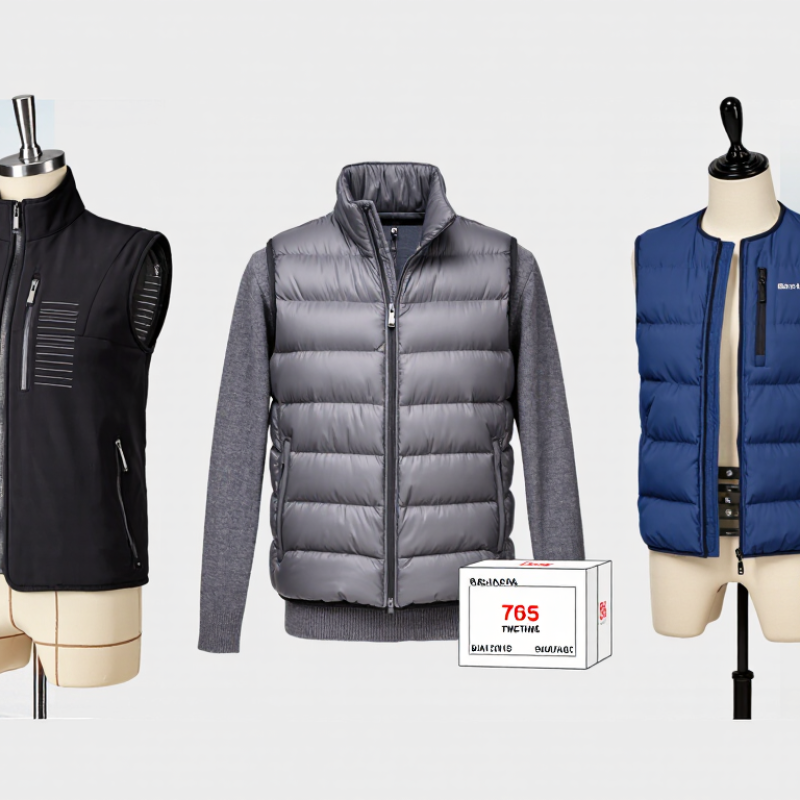
Body warmers are portable layers or heat sources that help reduce heat loss around the torso. Common types include insulated vests, air-activated disposable packs, reusable heat packs, and battery-powered heated vests. Each suits a different need: insulation works well for steady outdoor wear, while heat packs offer brief warmth during a commute or sideline wait. Heated garments can help during long, cold tasks, but users should follow the care and temperature instructions.
The World Health Organization’s 2018 Housing and Health Guidelines recommend keeping indoor temperatures at least 18°C for the general population during cold seasons. Older adults, children, and people with chronic illness may need warmer conditions. A body warmer is not a substitute for safe room heating, but it can add focused comfort in a chilly office, workshop, or drafty home. Small detail, real difference.
For outdoor work, the US Occupational Safety and Health Administration notes that cold stress risk depends on factors such as temperature, wind, and wet clothing. A dry, close-fitting base layer beneath a warmer can help; a damp layer may leave the wearer colder. That sounds simple. It isn’t. Battery-heated designs also need regular inspection, since damaged cables or poorly fitted layers can cause discomfort and uneven warmth.
The Main Types: Disposable, Reusable, and Wearable Warmers
What Are the Best Body Warmer Types in 2026?
The best body warmer depends on how long you need heat and how you plan to use it. Disposable warmers are light and convenient for a chilly commute or outdoor event. Open the packet as directed, then place the warmer over clothing rather than directly against skin. They create waste, though, and their heat can feel uneven near the end. Convenient, but not perfect.
Reusable warmers suit people who want a warmer for regular use. Some activate through a button or metal disc; others need charging or reheating according to their instructions. They can be useful at a desk or during short walks, but warmth and runtime vary by design. Wearable warmers, such as heated vests or wraps, distribute warmth across a larger area. Check fit, care instructions, and battery guidance before buying. A bulky layer may feel warmer indoors but awkward under a coat.
Tips: Test a warmer on a short outing before relying on it for hours. Keep a fabric layer between heat and skin, inspect reusable items for damage, and follow the maker’s instructions. If your skin feels uncomfortable, remove the warmer. Small details matter; I would compare real runtime, not just a package estimate.
How Heated Vests and Thermal Layers Provide Warmth
What Are the Best Body Warmer Types in 2026?
How Heated Vests and Thermal Layers Provide Warmth
A heated vest adds warmth directly around the torso, where extra heat can make outdoor tasks more comfortable. Its heating elements run on a rechargeable battery, and many designs offer adjustable settings. Lower settings may be enough during a brisk walk; standing still in cold air can call for more warmth. Battery life varies with the setting, weather, and battery condition, so check the product’s stated limits rather than assuming it will last all day. Fit matters. A vest should sit close enough for warmth to reach the body, without restricting movement or compressing other layers.
Thermal layers work differently. Their fabric helps hold warm air near the skin, while a moisture-managing base layer can reduce the chill of damp clothing. A practical combination is a lightweight base layer, a thermal mid-layer, and a weather-resistant outer shell. For active outings, layers can be easier to adjust as your body warms up. For slow, exposed work, a heated vest may provide welcome extra heat. Not magic. No setup suits everyone, and I’d reconsider any choice that feels clammy or bulky after an hour. Follow care instructions, keep battery connections dry, and test your layers in mild conditions before relying on them in severe cold.
Comparing Body Warmer Types by Comfort, Cost, and Convenience
Disposable air-activated warmers are light, pocketable, and easy to use with gloves on. They suit long walks, but heat can feel uneven, and each pack becomes waste after use. Reusable microwaveable packs feel soft against a coat pocket and need no cable. Their warmth fades, though, and reheating means finding a microwave. Convenient at home; less so outdoors.
Rechargeable electric warmers offer adjustable heat and repeat use, but add weight and need charging. Cold can also reduce lithium-ion battery performance, as documented in National Renewable Energy Laboratory research. The U.S. Energy Information Administration reported average U.S. residential electricity prices near 16 cents per kilowatt-hour in 2023. At that rate, charging a 10-watt-hour warmer costs roughly 0.16 cents, before charging losses. Tiny running cost. The purchase price and battery lifespan matter more. Grand View Research’s hand-warmer market analysis projects continued category growth, but market demand does not prove that one type feels better. Compare labeled runtime with your actual use: a short commute needs less heat than a windy, two-hour sideline. Honestly, advertised runtime can be optimistic in real cold.
Choosing a Body Warmer for Different Activities and Conditions
What Are the Best Body Warmer Types in 2026?
Choosing a Body Warmer for Different Activities and Conditions
The right body warmer depends on how you move, not just how cold it feels. For a daily commute, a lightweight insulated vest fits easily beneath a coat and keeps your core warm on a windy platform. Fleece-lined styles feel soft and work well for short walks, but may become too warm indoors. That small detail matters.
For hiking or outdoor work, choose a vest that allows your arms to move freely and layers comfortably over a base shirt. Synthetic insulation often handles damp conditions better than down, which can lose warmth when wet. Check the fabric, seams, and fit, especially if you expect rain or strong wind. Staying dry helps.
Heated body warmers can suit long periods outdoors, such as watching a game or working at a chilly site. Look for adjustable heat settings and clear care instructions, and follow the maker’s guidance for charging and washing. A snug fit helps warmth reach the body, but tight layers can restrict movement. It is tempting to buy the warmest option, yet overheating during a brisk walk can be just as uncomfortable. Think about where you will wear it, and whether you can remove a layer easily.