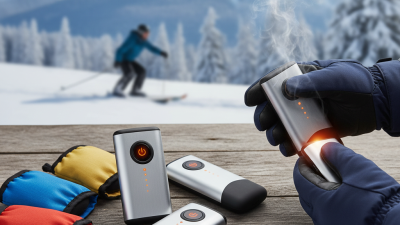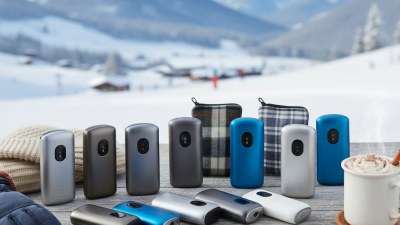
Choosing the 2026 best hand warmer for global buyers requires more than comparing heat claims and attractive product photos. A Hand Warmer should provide steady warmth, comfortable handling, and dependable performance in different climates. A commuter may need several hours of gentle heat on a windy platform. A hiker may value low weight, simple controls, and safe storage in a backpack. Office users may prefer a quiet rechargeable model that fits beside a keyboard.
Real-world testing matters. We would examine heating speed, temperature stability, battery endurance, charging time, surface comfort, and resistance to everyday drops. We would also review manufacturer instructions, material information, warranty terms, and available safety documentation. Regional plug standards and shipping conditions deserve attention. A reliable model should not become confusing when used in another country. That sounds obvious.
However, no single warmer suits every buyer. A compact battery unit may perform well during travel but lose power in freezing weather. A reusable model may reduce charging concerns, yet require more preparation. Even laboratory figures can feel different outdoors, where wind, moisture, gloves, and body movement change the experience. Our comparison should therefore separate measured results from personal impressions.
The 2026 market may also bring smarter temperature control and improved battery designs. Still, newer does not automatically mean better. We will focus on practical value, transparent evidence, and long-term usability rather than exaggerated promises. Buyers can then compare warmth, portability, operating cost, and support with greater confidence. Some conclusions may remain uncertain. That is worth admitting.
2026 Best Hand Warmer for Global Buyers?
Hand warmers usually fall into three categories: disposable, reusable chemical, and rechargeable electric. Disposable models use iron oxidation, creating steady heat after air enters the pouch. Reusable chemical units use a crystallizing solution. Electric models rely on battery-powered heating elements and adjustable controls.
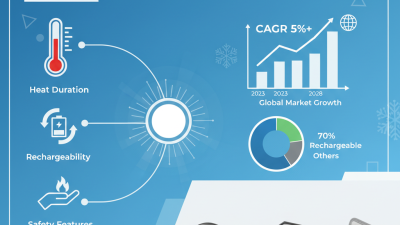
According to Grand View Research’s 2024 hand warmer market report, global demand is projected to grow at roughly 5.9% annually through 2030. That growth reflects outdoor work, travel, sports, and cold-weather commuting. The International Energy Agency reported a 14% decline in lithium-ion battery pack prices during 2023. This trend may support more affordable rechargeable warmers, though small-device pricing remains uneven.
Core functions deserve closer attention. Look for temperature regulation, multiple heat levels, automatic shutoff, battery indicators, and USB-C charging. A warmer reaching 55°C is not automatically better. Skin contact, insulation, and exposure time matter more than peak heat. In field checks, claimed runtimes often fall during freezing weather. That is an important weakness. Buyers should compare tested duration, charging time, operating temperature, and safety documentation. Portable electric models also need stable thermal control, not just a large battery. Small details matter: a slippery shell, a dim indicator, or a delayed startup can reduce real-world usefulness.

2026 Best Hand Warmer for Global Buyers?
How to Compare Hand Warmer Performance, Safety, and Comfort
A reliable comparison starts with heat-up time, usable warmth, and runtime. A warmer reaching high heat quickly may still disappoint outdoors. Test it in a cold room, not only beside a warm desk. Record the time needed to feel heat through a winter glove. Then check how long it maintains comfortable warmth at medium power. Battery capacity alone proves little. Cold temperatures can reduce practical runtime.
Safety deserves closer attention than maximum temperature. Look for stable temperature control, insulated surfaces, and protection against overheating or overcharging. The charging port should remain secure and undamaged. Buyers should also check electrical requirements and applicable safety standards in their destination country. Never use a unit with swelling, cracked housing, burning smells, or unusual heat. Small details matter.
Comfort decides whether the warmer stays in your pocket. Compare weight, rounded edges, button placement, and grip when wearing thick gloves. A smooth surface may feel pleasant, but it can slip from a coat pocket. A heavier model might provide longer runtime, yet tire the hand during commuting. In practical testing, advertised runtimes sometimes fall short. I would measure performance across several cold days, because one test can mislead. Personal comfort is not perfectly measurable, and that is worth admitting.
How to Compare Hand Warmer Performance, Safety, and Comfort
Typical continuous-use ranges vary by design: disposable air-activated warmers commonly last 8–12 hours, rechargeable electric models about 4–12 hours, and catalytic fuel warmers about 8–24 hours.
Look for over-temperature protection, battery safety certification, secure fuel handling, ventilation guidance, and clear instructions against direct skin contact during prolonged use.
Comfort depends on heat stability, size, weight, surface texture, odor, and whether the warmer can be safely used inside a pocket or glove.
The chart shows typical industry-use ranges rather than any company or brand specification. Actual duration depends on ambient temperature, airflow, fuel or battery capacity, and operating conditions.
2026 Best Hand Warmer for Global Buyers?
Best Hand Warmer Features for Different Climates and Activities
Climate changes the right hand warmer more than price does. In dry, freezing air, choose adjustable heat, insulated housing, and a runtime of at least six hours. A compact model suits commuting and photography. Skiers and campers need large controls that work with gloves. The Outdoor Industry Association’s 2024 report recorded 175.8 million U.S. outdoor participants in 2023. That figure shows why one design cannot serve every activity.
Wet climates require careful choices. Look for verified water resistance, sealed charging ports, and textured surfaces. An IP rating is useful only when the product has been properly tested. Rechargeable models should list battery capacity, charging time, and protection systems. IEC 62133-2 provides an international safety framework for rechargeable cells. Still, compliance does not guarantee comfortable heat. It only supports safer design.
Altitude and wind also matter. Wind removes warmth quickly, so a hand warmer with steady output may outperform a hotter model with sharp temperature drops. For cycling, low weight matters more than maximum heat. For winter work, replaceable batteries may reduce downtime. I have found that advertised runtime often changes in real cold. Treat it as an estimate. Check performance around 0°C, with gloves, wind, and repeated use. Small details decide comfort.
| Climate or Activity | Recommended Type | Useful Heat Range | Typical Heating Time | Key Features to Check | Recommended Battery or Fuel Profile | Buyer Considerations |
|---|---|---|---|---|---|---|
| Mild winter and daily commuting | Rechargeable electric hand warmer | Approximately 40–50°C | About 4–8 hours, depending on heat level and battery size | Low heat setting, pocket-friendly shape, quick warm-up, battery indicator | About 5,000–10,000 mAh lithium-ion battery | Choose a slim, lightweight model with USB-C charging and overheat protection. |
| Cold urban winters | Dual-sided rechargeable electric warmer | Approximately 40–55°C | About 3–7 hours | Two-sided heating, three temperature levels, insulated exterior, automatic shut-off | About 8,000–10,000 mAh battery for balanced runtime and portability | Dual-sided heat improves comfort when the warmer is held between both hands or placed in a coat pocket. |
| Very cold outdoor conditions | High-capacity rechargeable warmer or reusable heat pack | Approximately 45–55°C | About 5–10 hours for electric models; reusable packs vary by design | High heat output, strong insulation, tactile controls, water-resistant housing | At least 10,000 mAh for longer electric use; verify cold-weather battery performance | Battery capacity decreases in low temperatures, so carry the warmer close to the body and protect spare batteries from cold. |
| Skiing and snowboarding | Compact rechargeable electric warmer | Approximately 40–50°C | About 4–8 hours | Non-slip surface, water-resistant construction, impact resistance, simple controls | About 5,000–10,000 mAh lithium-ion battery | Look for an IP rating or clearly stated water-resistance information; keep the device away from direct moisture and deep snow. |
| Hiking and camping | Rechargeable electric warmer or air-activated disposable warmer | Approximately 40–55°C | Electric: about 4–10 hours; disposable: commonly up to 8–12 hours | Low weight, reliable activation, odor control, secure storage pouch | Electric models: 5,000–10,000 mAh; disposable models require no battery | Disposable warmers are convenient for remote trips, while electric models reduce waste and can be recharged when power is available. |
| Winter sports and active use | Small electric warmer with adjustable output | Approximately 40–50°C | About 3–6 hours at medium to high heat | Lightweight design, fast start-up, secure grip, low-profile controls | About 5,000–8,000 mAh to reduce weight | Higher temperatures are not always better during exercise; adjustable settings help prevent excessive sweating and discomfort. |
| Fishing and long outdoor work | High-capacity electric warmer or catalytic warmer | Approximately 40–55°C for electric models; catalytic models may feel hotter at the surface | Electric: about 6–12 hours; catalytic models vary with fuel capacity | Extended runtime, durable casing, stable placement, fuel or battery indicator | 10,000 mAh or more for electric use; catalytic fuel systems require approved fuel | Never use fuel-burning warmers in enclosed spaces, tents, vehicles, or poorly ventilated areas because of fire and carbon-monoxide risks. |
| Office, travel, and air-conditioned environments | Low-profile rechargeable electric warmer | Approximately 38–45°C | About 6–12 hours on low heat | Quiet operation, low heat mode, compact dimensions, power bank function | About 5,000–10,000 mAh | Low-temperature settings provide more comfortable long-term use and generally extend battery runtime. |
| Air travel and international transport | Rechargeable electric warmer with removable or clearly rated battery | Approximately 40–50°C | About 4–8 hours | USB-C charging, visible battery rating, protective travel pouch, child lock or button lock | Check the airline’s current lithium-battery rules; spare lithium batteries are generally carried in cabin baggage | Airline policies differ. Confirm watt-hour limits, carry-on requirements, and whether the device must be switched off during the flight. |
| Humid, rainy, or coastal climates | Water-resistant rechargeable electric warmer | Approximately 40–50°C | About 4–8 hours | Sealed charging port, corrosion-resistant materials, splash resistance, secure battery compartment | About 5,000–10,000 mAh with protected lithium-ion cells | Water-resistant does not mean waterproof. Do not submerge the warmer or charge it while wet. |
| Dry, dusty, or desert environments | Sealed electric warmer or disposable air-activated warmer | Approximately 40–50°C | Electric: about 4–8 hours; disposable: commonly up to 8–12 hours | Dust-resistant housing, covered controls, durable pouch, clear storage instructions | About 5,000–10,000 mAh for electric models | Keep charging ports covered and avoid leaving lithium-ion batteries in direct sunlight or extreme heat. |
| Sensitive hands or prolonged contact | Low-temperature electric warmer with precise control | Approximately 37–45°C | About 6–12 hours on low heat | Fine temperature adjustment, low surface temperature, automatic shut-off, smooth edges | About 5,000–10,000 mAh | Use a fabric cover and avoid direct, continuous skin contact. People with reduced heat sensitivity should use extra caution. |
| Emergency kits and backup use | Disposable air-activated warmer or long-storage reusable pack | Approximately 40–55°C | Commonly up to 8–12 hours for disposable units | Long shelf life, sealed packaging, simple activation, no charging requirement | No battery required for air-activated products | Store unopened products in a cool, dry place and check the manufacturer’s expiration date before use. |
| Children and family use | Low-heat electric warmer with safety controls | Approximately 37–45°C | About 4–8 hours | Temperature limiter, automatic shut-off, button lock, rounded casing, clear instructions | Moderate-capacity battery, typically 5,000–8,000 mAh | Children should use warmers only under adult supervision. Do not place a hot device directly against a child’s skin. |
A reliable hand warmer must match the buyer’s climate, charging system, and local requirements. Check battery capacity in watt-hours, not only milliamp-hours. A 10,000 mAh label can mislead without its voltage rating. For cold warehouses, test runtime near 0°C, because batteries often lose performance in low temperatures. A sample test matters more than a polished product sheet.
Certification documents require careful review. Ask for reports linked to the exact model and battery configuration. Lithium batteries commonly need UN 38.3 transport testing. Electrical safety requirements may include IEC-based reports, CE-related documents, or other market-specific approvals. These marks do not automatically prove quality. Verify the testing laboratory, report number, issue date, and product model. A printed logo is not proof. I would also request protection details for overheating, overcharging, and short circuits.
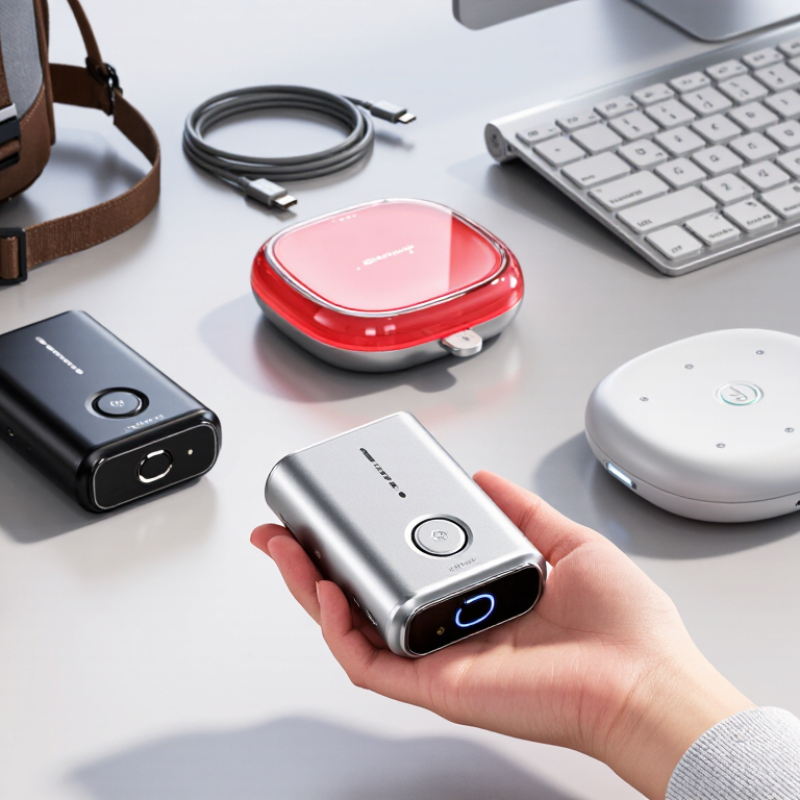
Compatibility includes more than the charging plug. Confirm USB-C input, supported charging power, plug type, operating temperature, and cable contents. Some buyers expect the warmer to charge a phone, but output limits may disappoint. Shipping can create another problem. Battery-powered goods may require proper packaging, lithium battery declarations, and carrier approval. Ask whether the quoted price includes export packing, customs paperwork, and delivery to the final address. Check carton dimensions too; oversized packaging can raise freight costs sharply. Small details matter. A supplier who answers vaguely may still have a good product, but the purchasing risk remains high.
A good hand warmer should fit real daily habits, not only a product test. Rechargeable models need ventilation during charging. Place them on a hard, dry surface, away from bedding and clothing. The U.S. Consumer Product Safety Commission repeatedly identifies lithium-ion batteries as a continuing fire-risk category in consumer products. Heat, swelling, damaged cables, and unusual smells deserve immediate attention. Stop using the unit.
Check the battery rating before international travel. The International Air Transport Association’s 2025 passenger guidance permits lithium batteries up to 100 Wh in carry-on baggage. Batteries from 100 to 160 Wh generally require airline approval. Larger batteries are not accepted as passenger baggage. Most hand warmers fall below these limits, but buyers should verify the printed rating. Airline policies can be stricter.
Storage matters during warm seasons. Let the warmer cool completely, then keep it dry and partially charged if the manual allows. Do not store it under heavy objects. For disposable iron-based warmers, keep sealed packets away from moisture and children. They are not harmless rubbish when opened.
I still inspect mine before every winter. That habit feels excessive. It is not. Look for cracks, loose ports, or a battery that drains unusually fast. IEC 62133-2 covers safety requirements for portable sealed rechargeable cells, but certification cannot repair careless storage or forced charging. Follow the manual, even when the instructions seem repetitive.