Why Are Under Eye Masks So Popular?
Why are Under Eye Masks so popular? Their appeal is easy to see: two cool patches, a few quiet minutes, and a more comfortable start to a busy morning. They fit neatly into a skincare routine and feel soothing when the delicate skin beneath the eyes seems dry or puffy. The visible change, however, is often modest and temporary. Board-certified dermatologist Dr. Hadley King’s guidance, paraphrased, is that under-eye patches may hydrate the skin temporarily, but they cannot permanently erase dark circles or fine lines. That distinction matters. A refreshing feeling is real; a lasting transformation is not guaranteed.
The masks vary in texture and ingredients, from lightweight hydrogel to serum-soaked fabric. Some contain humectants such as glycerin, which help attract water to the skin. Others include caffeine or soothing ingredients, though results depend on the formula and the person using it. Keep them on for the time stated on the package, and stop if irritation develops. Sensitive skin deserves extra care. Patch-test first.
Small ritual. Short pause. That may be enough. Their popularity is not only about dramatic before-and-after photos; convenience and comfort count, too. Still, the ritual can be more appealing than the measurable result. Under Eye Mask products may temporarily improve how skin looks or feels, but sleep, genetics, allergies, and overall skin care also influence the under-eye area. Knowing what a mask can—and cannot—do makes it easier to choose one for the right reason.
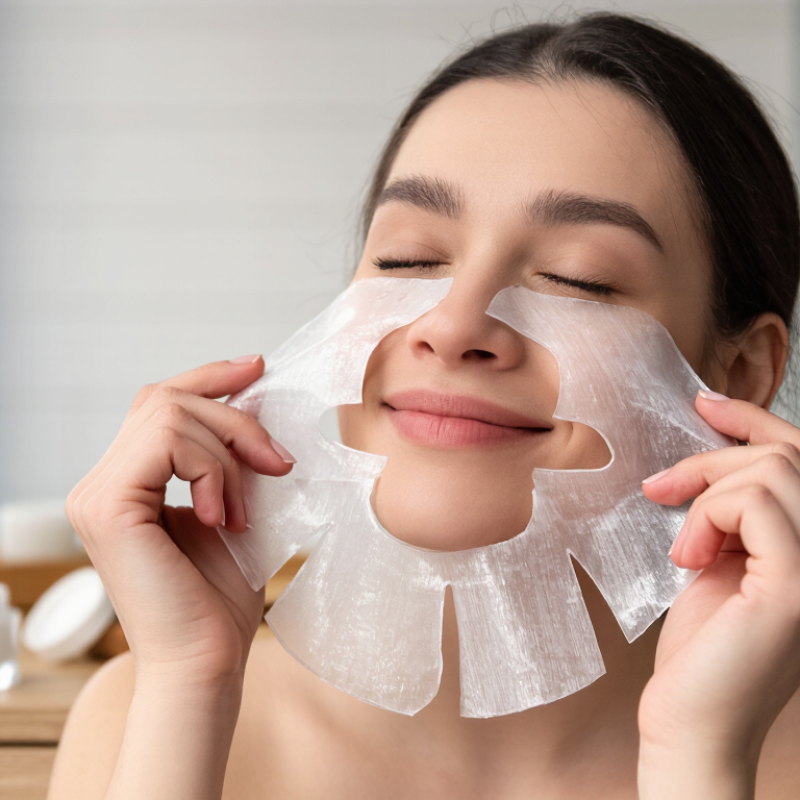
What Under-Eye Masks Are and How They Work
Under-eye masks are small patches designed to sit beneath the lower eyelids, where skin is thin and can feel dry or look temporarily puffy. They are usually made from hydrogel or soft fabric and hold a serum against the skin. Some feel cool straight from the packet. That can be soothing.
The patch helps keep moisturizing ingredients, such as glycerin or hyaluronic acid, in contact with the skin for several minutes. This may soften the look of dryness by adding surface hydration. A close fit also slows evaporation, though it does not push ingredients deep into the skin. Cooling can briefly make puffiness look less noticeable. The effect is temporary.
Masks cannot reliably remove dark circles, which may relate to pigmentation, facial structure, sleep, or other factors. Results vary, and a slick, refreshed feeling does not prove that a product has changed the skin long-term. Follow the package directions, keep patches away from the lash line, and remove them if they sting or cause redness. A patch test can help, especially for sensitive skin. Honestly, even a well-made mask may do little for some people. Skin does not always cooperate.
Why Are Under Eye Masks So Popular? - What Under-Eye Masks Are and How They Work
| Topic |
What It Means |
How It Works |
What to Expect |
| What under-eye masks are |
Small skincare patches shaped to sit beneath the eyes. They are commonly made from hydrogel, nonwoven fabric, or bio-cellulose and are pre-soaked with a cosmetic serum. |
The patch holds the serum against the skin during wear. Its close contact can reduce rapid evaporation and help keep the area hydrated. |
They are a convenient add-on to a skincare routine, rather than a substitute for moisturizer or sun protection. |
| Temporary hydration |
Many formulas include humectants such as glycerin or hyaluronic acid, which attract and hold water in the outer layers of skin. |
Hydrated skin can look smoother and feel more comfortable. The patch helps keep the formula in contact with the skin for a short period. |
Fine lines caused partly by dryness may look less noticeable temporarily. Results generally fade as the skin loses moisture. |
| Cooling and de-puffing appearance |
Some patches feel cool, especially when stored in a refrigerator. A few formulas also contain ingredients such as caffeine. |
Cooling can briefly soothe the skin. Caffeine may temporarily reduce the appearance of puffiness for some people, but effects vary. |
Any visible change is usually temporary. Masks do not remove the underlying causes of persistent swelling. |
| Why they are popular |
They are easy to apply, require little preparation, and fit into short self-care or travel routines. |
The patch format feels like a targeted treatment and is simple to use while getting ready or relaxing. |
Their convenience and pleasant sensory experience are key attractions; popularity does not mean they can address every under-eye concern. |
| Dark circles |
Under-eye darkness can be associated with genetics, visible blood vessels, pigmentation, lack of sleep, or shadows from facial structure. |
A hydrating patch may make the skin look temporarily fresher, but it does not reliably change pigmentation or facial anatomy. |
Results depend on the cause. Persistent or new changes may be worth discussing with a healthcare professional. |
| Safe use |
Use patches according to the package directions and place them on clean, dry skin without touching the eye itself. |
Remove them at the recommended time; leaving a patch on longer is not necessarily more effective. |
Stop using the product if it causes burning, itching, or irritation. Avoid use on broken or irritated skin, and check the ingredient list if you have sensitivities. |
In brief: Under-eye masks mainly offer temporary hydration, comfort, and a cooling experience. Their visible effects vary by product and person, and they are not a permanent treatment for puffiness, wrinkles, or dark circles.
Common Ingredients and Their Intended Benefits
Why Are Under Eye Masks So Popular?
Common Ingredients and Their Intended Benefits
Under-eye masks feel like a small, targeted skincare ritual: cool patches sit beneath the eyes while you get dressed or make coffee. Their appeal fits a broader market trend. Grand View Research estimated the global skincare market at USD 145.3 billion in 2023, with continued growth projected through 2030. That figure covers skincare overall, not eye masks specifically. Popularity, however, does not prove that a patch can erase dark circles or wrinkles.
Ingredient choice matters. Glycerin and hyaluronic acid attract water, helping skin look temporarily smoother and less dry. Caffeine is used to reduce the appearance of puffiness for a short time; results vary. Niacinamide supports the skin barrier and may improve the look of uneven tone with continued use. Peptides are included for a smoother-looking appearance, though evidence depends on the formula and product testing. A chilled patch can feel soothing. Still, ingredient lists sometimes make modest effects sound more certain than they are.
Tips: Keep masks in the fridge if the label allows, and apply them to clean, dry skin. Follow the wear time on the package; longer is not necessarily better. Patch-test first, especially if you have sensitive skin. If a product stings, remove it. Ingredients can hydrate or temporarily refresh the under-eye area, but persistent swelling or irritation deserves advice from a qualified healthcare professional.
Why Under-Eye Masks Have Become Popular
Under-eye masks have become popular because they fit easily into a short daily routine. A pair can sit beneath the eyes while someone makes coffee, gets dressed, or answers a few messages. The cool, damp feel may be soothing, especially after a late night or time in dry indoor air. They also make skincare feel focused: a small patch, a few minutes, and a clear sense of taking care of oneself. That matters.
Many masks are designed to help the skin feel hydrated and look temporarily smoother. Their popularity also comes from convenience and visibility; they are easy to use and often appear in everyday beauty routines online. But results vary with the formula, fit, and a person’s skin. Masks cannot replace sleep, and they should not be expected to erase dark circles or fine lines. It is easy to mistake a calming ritual for a lasting fix. I sometimes think the ritual gets more attention than the evidence deserves.
Tips: Keep the patches on only as directed, and remove them if stinging or redness develops. Store them cool if the package allows. Choose a gentle option, especially for sensitive skin, and avoid placing patches too close to the lash line. Do not use them on irritated skin.
How They Fit into Skincare Routines
Under-eye masks work best as a brief, targeted step, not a replacement for moisturizer or sunscreen. After cleansing, place a pair beneath clean, dry eyes and follow the wear time on the package. A cool gel texture can feel soothing on a puffy morning. The effect is usually temporary: humectants such as glycerin may hydrate the skin, but a patch cannot erase dark circles caused by genetics or lack of sleep. Small difference, sometimes.
They fit easily between cleansing and moisturizer, especially before makeup or after a dry flight. Keep the rest of the routine simple; layering several new products at once makes irritation harder to trace. Fragrance and strong actives may bother delicate skin, so check the ingredient list and stop if stinging or redness develops. A patch test is sensible, though it cannot guarantee a reaction-free result.
The wider skincare market helps explain why these focused add-ons attract attention. Grand View Research estimated the global skincare market at USD 115.65 billion in 2023 and projected 4.7% annual growth from 2024 to 2030. That figure covers skincare broadly, not under-eye masks alone. Still, it reflects a market built around convenient, specialized routines. Masks can be a pleasant extra, but they are not essential. Honestly, the short wait can feel longer than the results.
Benefits, Limitations, and Safety Considerations
Under-eye masks appeal because they offer a quick, cooling ritual for tired-looking skin. Humectants such as glycerin can temporarily soften dryness, while a chilled mask may briefly reduce the look of puffiness. The effect is usually modest and short-lived; masks cannot erase dark circles caused by genetics, pigmentation, or facial structure. Grand View Research estimated the global skin-care products market at $115.65 billion in 2024. That figure reflects broad skincare demand, not proven effectiveness or sales of under-eye masks specifically.
Benefits depend on the formula and how your skin responds. Fragrance, preservatives, and adhesive materials may irritate the delicate eye area. Stop using a mask if you notice burning, redness, swelling, or persistent itching. Avoid applying it to broken or inflamed skin, and follow the package’s wear-time instructions. The American Academy of Dermatology advises testing new skincare products on a small area before regular use. Be cautious with strong claims: a refreshed feeling is real, but it does not prove lasting improvement.
Tips: Store masks as directed, never freeze them, and use clean hands. Keep product out of your eyes. If irritation persists, seek advice from a qualified healthcare professional.