How to Warm Your Body Quickly and Effectively in Cold Weather
As the chill of winter sets in, finding effective ways to achieve a warmer body becomes crucial for comfort and well-being. Dr. Emily Summers, a renowned expert in thermoregulation and cold weather physiology, emphasizes, "Understanding how our body responds to cold is key to staying warm and healthy during winter months." With this insight, it's clear that the interplay between our bodies and the decreasing temperatures requires thoughtful strategies to maintain heat.
In this article, we will explore various methods to quickly and effectively warm your body in cold weather. From layering clothing and utilizing heat-retaining fabrics to incorporating specific foods and beverages into your diet, each approach plays a vital role in ensuring that you don't just endure the cold - but thrive in it. By adopting these techniques, you will not only enhance your comfort but also keep your body functioning optimally through the frosty months ahead. Let’s dive into practical tips and expert advice that will help you achieve a warmer body during the biting cold of winter.
Understanding the Importance of Body Temperature Regulation in Cold Weather
Maintaining body temperature in cold weather is crucial for overall health and well-being. When the temperatures drop, the body works hard to regulate its internal heat, which can lead to discomfort or even hypothermia if not managed properly. Understanding the importance of body temperature regulation helps us take proactive measures to stay warm and comfortable.
**Tips:** Dress in layers to trap heat and create insulation. Start with a moisture-wicking base layer to keep sweat away from your skin, followed by insulating layers like fleece or wool. Finally, add a waterproof and windproof outer layer to protect against the elements.
In addition to proper clothing, consuming warm foods and beverages can significantly aid in body temperature regulation. Hot soups, herbal teas, and warm water can help raise your core temperature from the inside out, providing comfort during harsh weather. Staying active also generates body heat, so engaging in light physical activity can help you feel warmer even in frigid conditions.
**Tips:** Keep moving whenever possible—take brisk walks or do jumping jacks to stimulate circulation. If you're indoors, consider using a space heater or electric blanket for added warmth while you rest and relax.
How to Warm Your Body Quickly and Effectively in Cold Weather
This chart illustrates the average body temperature responses to different methods of warming in cold weather. The data shows effectiveness levels for various warming techniques.
Layering Strategies: Choosing the Right Fabrics for Insulation
When dressing for cold weather, the right fabric choices can make a significant difference in your comfort level. Layering is key to effectively trapping heat while allowing moisture to escape. Start with a moisture-wicking base layer made of synthetic fabrics or merino wool. These materials help keep sweat away from your skin, ensuring you stay dry and warm.
Next, add an insulating layer that provides warmth without bulk. Fleece or down jackets are excellent options, as they offer great thermal insulation while being lightweight. This layer should fit snugly to avoid letting cold air in. Finally, finish with a waterproof and warm outer layer, such as a shell jacket. This will protect you from the elements, such as wind, rain, or snow.
Tips: Always opt for fabrics that have good breathability and thermal properties. Avoid cotton as a base layer since it retains moisture and can make you feel colder. Additionally, consider wearing accessories like hats and gloves made of wool or polyester—these can contribute significantly to keeping your entire body warm by retaining heat in critical areas.
Effective Heating Techniques: Utilizing Hot Drinks and Foods
When facing the chill of cold weather, one of the most effective ways to warm your body is through hot drinks and foods. Hot beverages, like herbal teas or warm water with lemon and honey, not only provide instant warmth but also enhance circulation. The steam from these drinks can help clear nasal passages, making you feel more invigorated. Additionally, consuming hot drinks throughout the day can ensure that your body maintains a steady temperature, keeping the cold at bay.
Similarly, hot foods play a crucial role in warming your body. Dishes like soups and stews not only offer warmth but also supply essential nutrients that fuel your body. Foods rich in spices, like chili or curry, can elevate your body temperature due to their thermogenic properties, stimulating your metabolism. Combining these warm foods with a balanced diet ensures you are not only warm but also energized, ready to tackle the cold weather effectively.
How to Warm Your Body Quickly and Effectively in Cold Weather - Effective Heating Techniques: Utilizing Hot Drinks and Foods
| Method |
Description |
Benefits |
Suggested Temperature (°C) |
| Hot Drinks |
Beverages like tea, coffee, or hot chocolate |
Quick warming effect, hydration, comforting |
65-75°C |
| Warm Soups |
Heating soups like chicken noodle or tomato |
Nourishing, warms you from the inside |
60-80°C |
| Spicy Foods |
Dishes containing chili peppers or spices |
Boosts metabolism, induces a warming feeling |
Varies, typically served hot |
| Heating Pads |
Electric or microwaveable heat pads |
Pain relief, localized warming |
Not applicable |
| Warm Baths |
Soaking in water at a warm temperature |
Full body warmth, relaxation |
37-40°C |
Physical Activities: Boosting Circulation for Quick Warm-Up
In cold weather, physical activity emerges as one of the most effective methods to boost circulation and warm the body swiftly. Engaging in moderate exercises can increase blood flow, which not only raises body temperature but also improves overall cardiovascular health. According to a study published in the "Journal of Applied Physiology," individuals who participate in regular aerobic exercises can enhance their circulation significantly, with a reported 20-30% increase in blood flow during physical activities compared to sedentary individuals. This is crucial during winter months when maintaining body warmth can be challenging.
Simple activities such as brisk walking, jogging, or even indoor workouts can stimulate circulation rapidly. For instance, just 10 minutes of vigorous activity can elevate heart rate and trigger a warming effect throughout the body. The American College of Sports Medicine recommends aiming for at least 150 minutes of moderate-intensity aerobic exercise per week to ensure optimal circulation. Incorporating short bursts of movement, like jumping jacks or stair climbing, can further contribute to body heat generation, making it a practical solution for anyone looking to fend off the chill effectively.
The Role of Environment: Creating a Warm Space Indoors
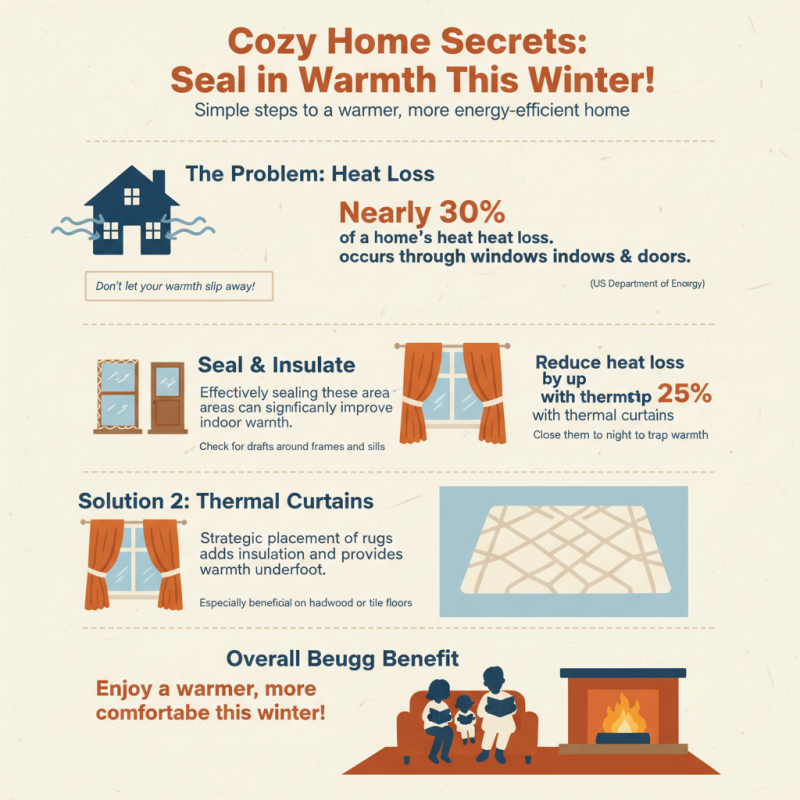
Creating a warm space indoors is crucial during the chilly months. According to the U.S. Department of Energy, nearly 30% of a home's heat loss can occur through windows and doors. Therefore, effectively sealing these areas can significantly improve indoor warmth. Utilizing thermal curtains can reduce heat loss by up to 25%. Additionally, strategic placement of rugs can add insulation and provide warmth underfoot, enhancing overall comfort levels.
Moreover, the ambient temperature of your indoor environment plays a vital role in your perceived warmth. A study published by the International Journal of Biometeorology found that maintaining an indoor temperature of around 68°F (20°C) can optimize comfort without excessively increasing energy costs. Employing space heaters in well-insulated areas can also help raise temperatures quickly, while keeping energy consumption in check. By focusing on environmental factors and employing simple strategies, you can create a warm, inviting atmosphere in your home that effectively combats the cold.