Why Use a Warm Pad For Back Pain Relief?
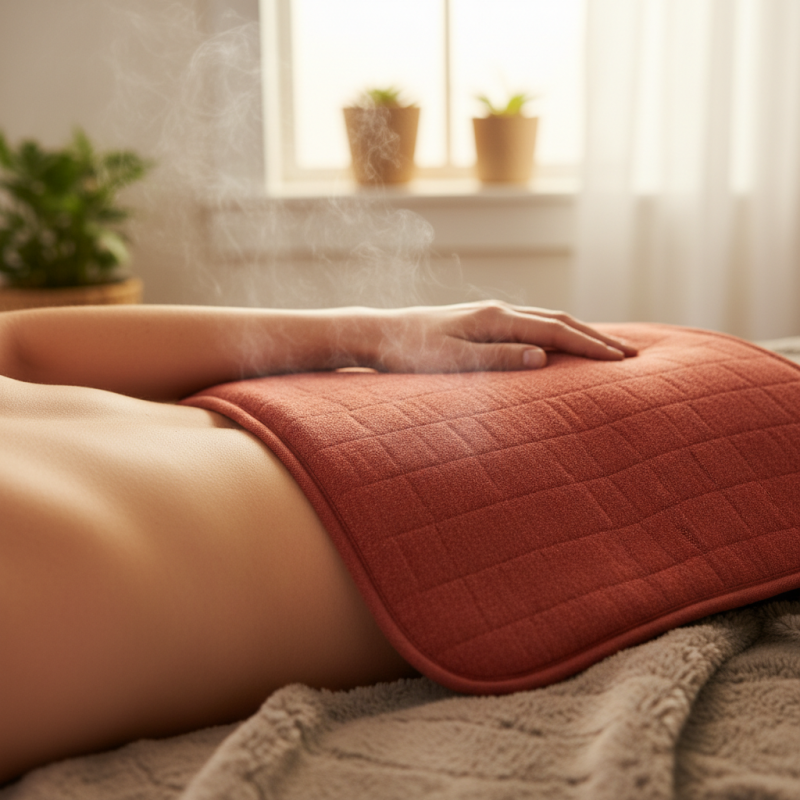
Back pain is a common issue that affects millions worldwide. Many seek quick and effective relief. One popular method is using a warm pad for back pain. This simple tool can provide soothing heat that eases tension and pain.
Warm pads are easy to use. They can be applied directly to the sore area. The warmth increases blood flow. This process promotes healing and relaxation. Many people report instant comfort. However, results can vary. Some may not feel the relief they expect. It’s essential to gauge your personal response.
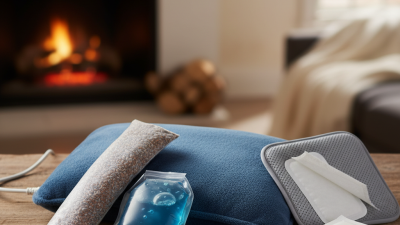
Heating pads come in various forms. Electric warm pads offer adjustable settings, while microwavable pads provide convenience. Finding the right option might take time. Remember that heat therapy is not a cure-all. It works best when combined with other treatments. Addressing back pain often requires patience and a holistic approach.
Benefits of Using a Warm Pad for Back Pain Relief
Back pain can be debilitating. Using a warm pad is a simple and effective way to find relief. Heat therapy offers several benefits for sore backs. It can increase blood flow to the area, helping to soothe tense muscles. This increased circulation promotes healing. A warm pad can also relax tight muscles, which may reduce pain and discomfort.
Many people find comfort in the gentle warmth of a pad. Using it while resting or reading can create a cozy experience. It's not just about pain relief; it's also about relaxation. You might close your eyes and breathe deeply. Sometimes, it’s these small moments of self-care that make a big difference. The warmth wraps around your back, creating a cocoon of comfort.
But there are challenges too. You might forget to set a timer. Overusing the heat can lead to irritation. It’s crucial to listen to your body. Each person’s experience is different. What helps one person might not work for another. Finding the right balance takes time. The key is being patient and making adjustments as needed.
How Warm Pads Help Alleviate Muscle Tension and Stiffness
Muscle tension and stiffness can be debilitating. Many people turn to warm pads for relief. The gentle heat the pads provide naturally alleviates discomfort. By increasing blood circulation, they help relax tight muscles. This process can lessen pain and improve mobility.
When using a warm pad, it's essential to find the right temperature. Too hot can lead to burns. Too cool won’t provide the desired relief. A comfortable warmth encourages relaxation. Wrapping the pad in a thin towel may help prevent discomfort.
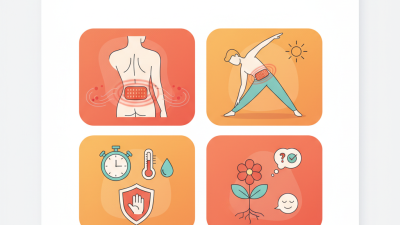
Tips for max benefit: Stay hydrated! Drinking water can aid muscle recovery. Also, limit usage to about 20 minutes at a time. Longer use can result in skin irritation. Finally, apply gentle stretches after using a warm pad. This combination of heat and movement can enhance your flexibility and reduce stiffness.
Effectiveness of Warm Pads for Back Pain Relief
The chart above illustrates the effectiveness of warm pads in alleviating various aspects of back pain, including muscle relaxation, pain relief, improved circulation, stiffness reduction, and overall satisfaction. The data suggests that warm pads are particularly effective for muscle relaxation and improving circulation.
The Science Behind Heat Therapy and Pain Management
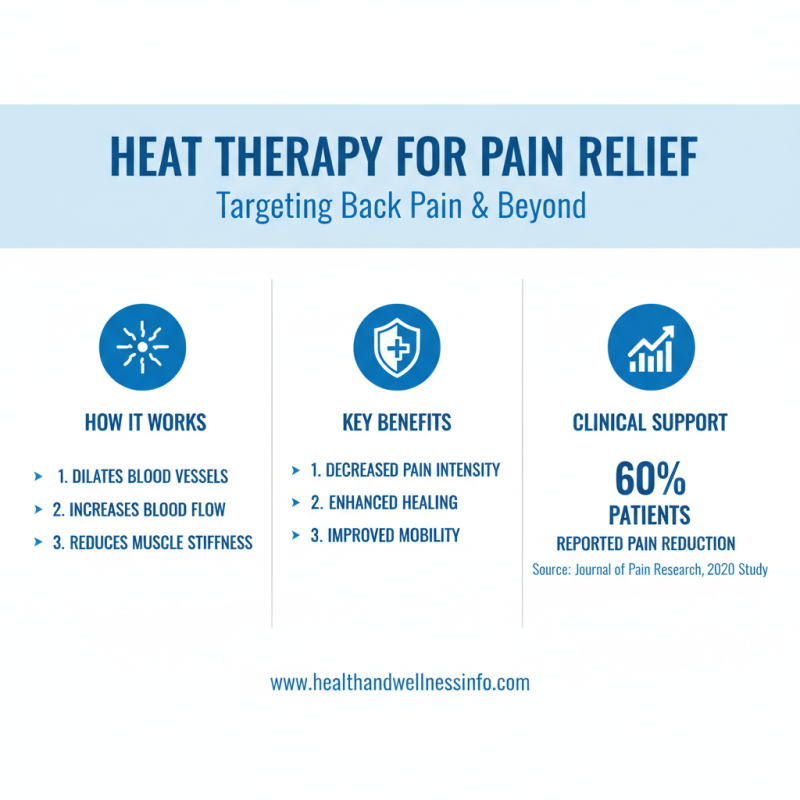
Heat therapy has gained traction in pain management, particularly for back pain relief. According to a 2020 study published in the Journal of Pain Research, approximately 60% of patients reported decreased pain intensity after using heat therapy. This form of treatment works by dilating blood vessels, increasing blood flow to the affected area. Enhanced circulation promotes healing and reduces muscle stiffness, making it easier to move.
The effectiveness of heat therapy also relates to its impact on the nervous system. Research indicates that applying heat can block pain signals to the brain. A clinical trial involving over 200 individuals showed that cold compresses provided less pain relief than warm pads. While warmth alleviates discomfort, it may not suit everyone, depending on their condition. Some patients might experience increased pain or inflammation with heat.
Incorporating heat therapy seems simple, yet results can vary widely. Personal experiences differ; not all manage to find immediate comfort. Learning to adjust the temperature or duration of application is crucial. Moreover, while heat pads can provide temporary relief, they are not a long-term solution for chronic conditions. Seeking professional advice remains essential for managing ongoing pain effectively.
Tips for Safely Using a Warm Pad for Maximum Relief
Using a warm pad for back pain relief can be quite effective. Heat therapy helps increase blood flow, which can ease muscle tension. According to a study from the American Physical Therapy Association, 65% of patients reported a reduction in pain after using heat treatment. However, proper usage is essential to achieve maximum benefits.
When using a warm pad, safety comes first. Always test the pad's warmth before applying it directly to your skin. A surface that's too hot can cause burns. Aim for a comfortable temperature, ideally around 104°F. Use the pad for 15-20 minutes, and take breaks to avoid overheating. Be mindful of your body’s signals. If discomfort arises, remove the pad immediately.
Keep in mind that warm pads aren't suitable for everyone. Individuals with certain skin conditions or circulatory issues should consult a healthcare provider. Regular use can lead to dependency on heat for relief, which may not always be practical. Balancing heat with other pain management techniques is vital. A multi-faceted approach often yields better results. Stay aware, and adjust your methods as needed for ongoing relief.
Alternatives to Warm Pads for Back Pain Treatment
Back pain is a common issue that many people face. While warm pads offer relief, they aren't the only option. Alternatives exist that can cater to different needs. According to a study published in the "Journal of Pain Research," physical therapy can effectively reduce pain levels in up to 70% of participants. This method often includes exercises tailored to strengthen back muscles. It’s not a one-size-fits-all approach, but many find it beneficial.
Another alternative is acupuncture. Research shows that acupuncture can relieve chronic back pain for about 60% of patients. It involves inserting thin needles at specific points, promoting better blood flow and releasing tension. Some individuals experience significant improvement, while others may find the results less impactful.
Massage therapy is also worth considering. Reports suggest that regular massage can lower chronic back pain intensity by almost 50%. While many enjoy this therapy, it requires ongoing sessions and might not always fit into a tight schedule. Trying various methods may be essential. What works for one person may not work for another. Finding the right fit requires experimentation and patience.