How to Use Heat Patches for Pain Relief: Tips and Benefits Explained
Heat patches have emerged as a popular and effective solution for managing various types of pain. They provide a convenient and non-invasive method to alleviate discomfort, whether it’s due to muscle stiffness, chronic conditions, or post-injury recovery. By harnessing the soothing power of heat, these patches promote blood flow and relax tense muscles, offering relief when applied directly to the affected area.
In this article, we will explore the numerous benefits of using heat patches for pain relief, along with practical tips on how to use them effectively. Understanding the science behind heat therapy can empower individuals to make informed choices about their pain management strategies. As we delve into the application methods, duration of use, and safety precautions, readers will gain insight into how to seamlessly integrate heat patches into their daily routines for maximum therapeutic benefit.
Understanding Heat Patches: What They Are and How They Work
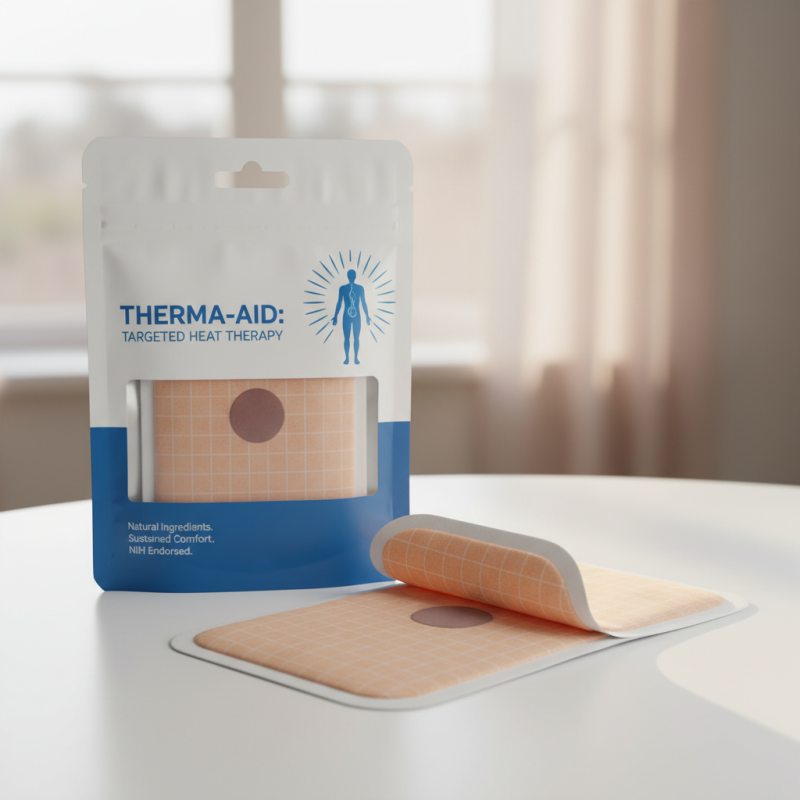
Heat patches are innovative thermal therapy products designed to provide targeted pain relief through the application of gentle heat. They typically utilize a combination of natural ingredients and adhesive materials to create a sustained warming effect. When applied to the skin, heat patches work by increasing blood flow to the affected area, which helps reduce muscle tension and alleviate pain. According to a report published by the National Institutes of Health, heat therapy can considerably enhance the healing process due to its ability to promote tissue elasticity and accelerate the removal of metabolic waste.
The mechanism of heat patches involves the gradual release of heat over an extended period, often lasting anywhere from 8 to 12 hours. This prolonged warmth can help soothe chronic pain conditions such as arthritis, back pain, and menstrual cramps. Studies indicate that heat application is effective in improving pain scores in patients suffering from musculoskeletal disorders. A systematic review in the journal "Pain Medicine" revealed that subjects using heat therapy experienced a 50% reduction in pain levels compared to control groups. Furthermore, heat patches are praised for their convenience and ease of use, providing a discreet option for those seeking relief during daily activities.
Types of Heat Patches: Choosing the Right One for Your Needs
When selecting a heat patch, it’s essential to consider the specific type that best suits your needs. There are various kinds of heat patches available, including adhesive patches, microwaveable wraps, and even gel packs that can be heated. Adhesive patches are convenient for targeted pain relief and can be applied directly to the skin, making them suitable for smaller areas like the lower back or neck. Microwaveable wraps, on the other hand, offer a larger surface area and can provide soothing heat for extended periods, ideal for larger muscle groups.
Additionally, it's important to understand the duration and intensity of heat provided by different patches. Some patches are designed for long-lasting heat, providing relief for several hours, while others may deliver a burst of intense heat for quick relief. Choosing the right patch also involves assessing your level of mobility; if you need to move around while using the patch, opting for a more secure, adhesive option can be beneficial. Ultimately, evaluating your specific pain relief needs and lifestyle will guide you in selecting the most appropriate heat patch for effective pain management.
How to Use Heat Patches for Pain Relief: Tips and Benefits Explained
| Type of Heat Patch |
Primary Use |
Duration of Heat |
Temperature Range |
Skin Sensitivity |
| Standard Adhesive Heat Patch |
Muscle pain relief |
8-12 hours |
40-50°C |
Low |
| Microwaveable Heat Pack |
Chronic pain and stiffness |
20-30 minutes |
45-60°C |
Medium |
| Electric Heat Pad |
Severe muscle pain |
Variable (adjustable) |
40-70°C |
High |
| Single-Use Adhesive Heat Patch |
Menstrual cramps |
8 hours |
40-50°C |
Low |
| Herbal Heat Patch |
Soothing and relaxation |
30-60 minutes |
45-55°C |
Medium |
How to Apply Heat Patches Effectively for Pain Relief
Heat patches are a highly effective and convenient method for pain relief, particularly for those suffering from musculoskeletal issues. According to a report by the American Academy of Family Physicians, applying heat can enhance circulation, delivering oxygen and nutrients that facilitate healing processes in sore muscles and joints. To ensure optimal efficacy, it is crucial to apply heat patches correctly. Begin by cleaning the area of application, as optimal adhesion ensures even distribution of heat which enhances pain relief.
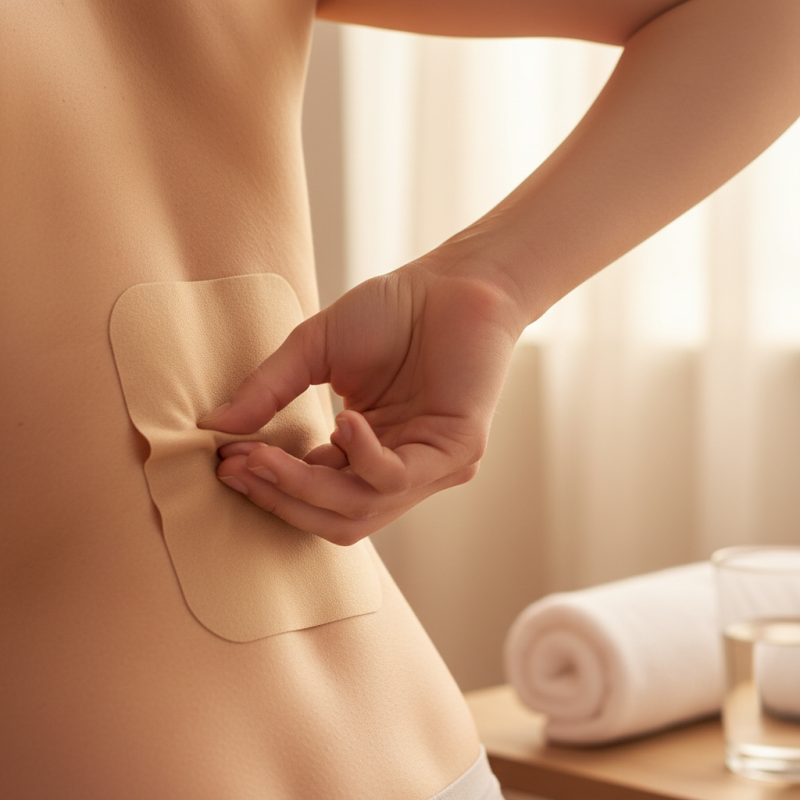
When applying heat patches, position them over the area of discomfort while ensuring they are flat against the skin without wrinkles. Experts suggest maintaining a consistent temperature over a duration of 15-30 minutes for best results. Studies indicate that applying heat for shorter intervals throughout the day can be more beneficial than longer sessions due to the body’s gradual adaptation to heat, which helps manage pain more effectively. Ultimately, when used appropriately, heat patches can significantly improve quality of life for individuals dealing with chronic or acute pain.
Safety Precautions When Using Heat Patches
When using heat patches for pain relief, it is crucial to prioritize safety precautions to maximize benefits while minimizing potential risks. According to a report from the American Academy of Family Physicians, improper use of heat therapy can lead to burns or skin irritation, particularly in sensitive populations such as the elderly or those with chronic conditions. Ensuring that the patch is applied to clean, dry skin and monitoring the application frequently can help prevent adverse effects.
Moreover, it is vital to adhere to recommended durations of use. The Mayo Clinic advises that heat patches should generally not exceed 20-30 minutes of continuous application to avoid overheating the skin. Users should be cautious about using heat patches in conjunction with medications that affect sensitivity or heat perception, such as certain pain relievers or nerve pain medications. This is especially important for individuals with diabetes, as they may have reduced sensation in the extremities, increasing their risk of unnoticed injuries.
Additionally, users should be aware of signs that indicate a reaction to the heat therapy. The National Institute of Health suggests that if the skin becomes red, blistered, or excessively uncomfortable, the patch should be removed immediately. Awareness of personal limits and conditions is instrumental in ensuring the safe and effective use of heat patches, ultimately aiding in pain management without compromising safety.
Benefits of Heat Patches: Quick Relief and Beyond
Heat patches have become a popular choice for those seeking quick and effective pain relief. Their main advantage lies in their ability to deliver targeted warmth to sore areas, which can help relax muscles, improve circulation, and alleviate discomfort. This topical solution is not only convenient but also provides a soothing experience that can enhance overall well-being. Beyond immediate relief, regular use of heat patches can contribute to a more comfortable lifestyle for individuals managing chronic pain conditions.
When using heat patches, it’s important to follow a few tips to maximize their effectiveness. First, ensure that the skin is clean and dry before applying the patch to prevent irritation and enhance adhesion. It’s also beneficial to choose the right size of the patch to cover the affected area adequately. For best results, apply the patch for the recommended duration, typically around 20 to 30 minutes, allowing for a longer, more gradual release of heat. Additionally, keeping the patch in a consistent place can help maintain its effectiveness, so positioning it on a stable surface is key.
Another essential tip is to monitor the patch while in use. If you experience any significant discomfort or skin reactions, it’s wise to remove the patch immediately. Heat patches should not be used on broken skin or over areas with decreased sensation. By paying attention to your body’s response and adhering to usage guidelines, you can harness the beneficial effects of heat patches for a more effective pain relief experience.
Benefits of Heat Patches for Pain Relief