How to Use a Heating Patch for Pain Relief Effectively?
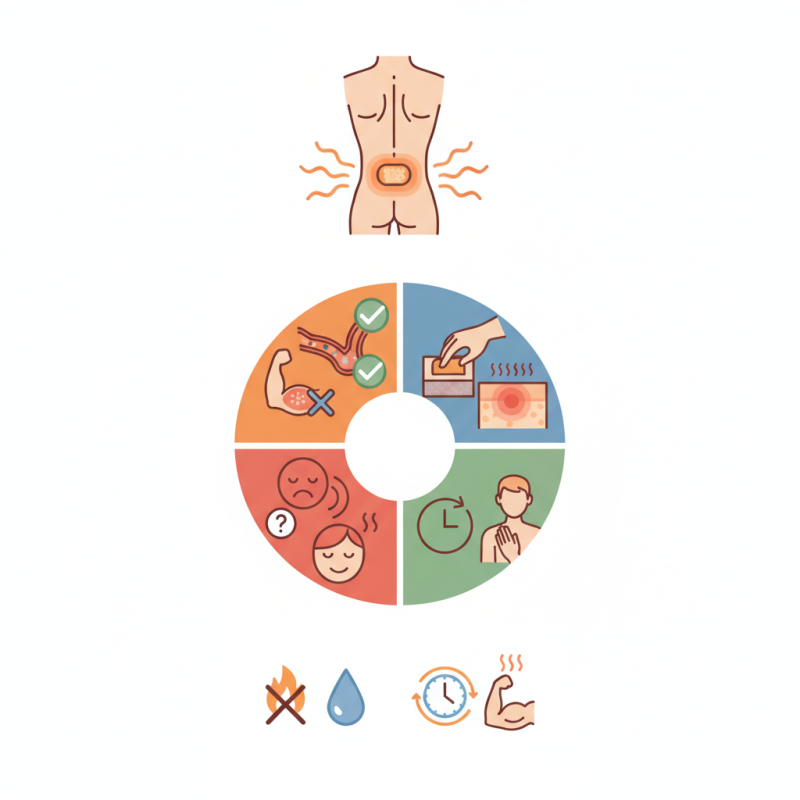
Heating patches are a popular choice for pain relief. They offer a simple, effective solution for discomfort caused by muscle strains or chronic conditions. When used correctly, a heating patch can enhance blood flow and ease tension. This promotes healing and provides comforting warmth.
Using a heating patch may seem easy. However, many people make common mistakes. For example, some people place it directly on the skin without a barrier. This can lead to burns or irritation. Understanding how to use a heating patch properly is crucial for safety and effectiveness.
Consider the type of pain you are experiencing. A heating patch may not work for everyone. It can provide temporary relief but may not address underlying issues. Be mindful of how your body reacts. Listening to your body is essential when using heat therapy. Proper usage can make a difference in your comfort levels.
Understanding the Different Types of Heating Patches Available
Heating patches are popular for relieving pain. They come in various types, each designed for specific needs. Traditional adhesive patches provide steady warmth and adhere easily to the skin. These are great for chronic pain but might not adjust well to your body movements.
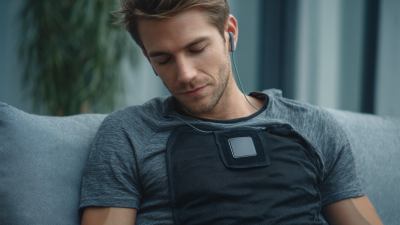
Electric heating pads offer adjustable heat settings. You can choose the intensity based on your comfort. However, they require a power source, making them less portable. Consider using them at home or in an office. Remember to monitor your skin. Too much heat can cause burns.
Gel heating packs offer versatile options. You can use them warm or cold. The versatility makes them practical. But, they may take time to heat up. Patience is key. Experiment with different types to find what suits you best.
Effectiveness of Different Types of Heating Patches for Pain Relief
Identifying Suitable Pain Areas for Heating Patch Application
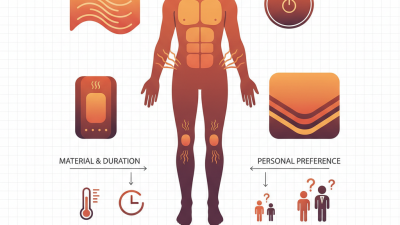
Heating patches can provide effective pain relief, but knowing where to apply them is crucial. Common areas for application include the lower back, neck, and shoulders. These regions often carry tension and can benefit from the soothing heat. If your discomfort is persistent, using a heating patch may help loosen tight muscles.
When applying a heating patch, cleanliness matters. Make sure the skin is dry and free of oils. This ensures a better bond. Pay attention to your body’s response. If the heat feels too intense, remove the patch immediately. This is especially important for sensitive skin.
Finding the right temperature is a personal journey. Test various heat levels to discover what feels best for you.
Consider where your pain radiates. Sometimes, discomfort spreads from a single point. Applying heat to the affected area and its surroundings might provide extra relief. Watch for any changes in pain intensity. If the heating patch doesn’t work, it’s time to reassess. Pain management is a process, often requiring adjustments along the way. Listen to your body; it knows what it needs.
Step-by-Step Guide to Applying a Heating Patch Safely
Using a heating patch can provide significant pain relief. To ensure safety and effectiveness, follow these step-by-step guidelines. The National Institutes of Health found that heat therapy can reduce muscle pain by about 20%. Properly applying a heating patch can enhance this benefit.
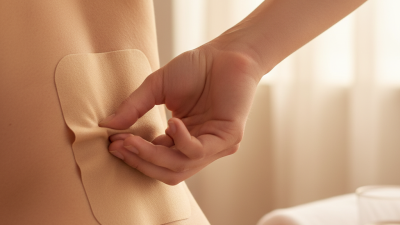
Begin by choosing the right location for the patch. Clean the skin to remove any oils or lotions. This ensures better adhesion and improves heat transfer. Many users overlook skin preparation. However, it dramatically impacts effectiveness. Apply the patch directly to the affected area. Avoid any folds or wrinkles in the fabric.
Set a timer to avoid overheating. Experts recommend limiting use to no more than 15-20 minutes to prevent burns. Users often forget about the danger of prolonged exposure. Regularly check the skin underneath the patch. Redness or irritation indicates it’s time to remove the patch. Remember, every body responds differently. What works for one may not work for another. So, be mindful and adjust usage based on personal comfort.
Timing and Duration for Optimal Use of Heating Patches
When using heating patches for pain relief, timing and duration are critical factors. Experts suggest that the ideal application time is between 15 to 30 minutes. This duration helps to effectively relax muscles and alleviate soreness without causing skin irritation. Overusing heating patches can lead to burns or increased sensitivity, so it's essential to monitor the skin regularly during use.
For optimal effectiveness, consider the time of day. Morning applications can help ease stiffness often felt after waking up. Evening use may assist in relaxing muscles after a long day. According to a report from the Journal of Pain Research, 70% of users reported significant relief when adhering to recommended timing guidelines. This aligns with findings that emphasize that consistent and mindful use boosts overall pain management.
Tips: To enhance results, ensure the patch is applied directly to the skin. Avoid layering it under thick clothing, as this can trap heat and cause discomfort. Always follow the manufacturer’s guidelines for duration. If you experience prolonged pain, re-evaluate your approach and consult a professional for further advice.
How to Use a Heating Patch for Pain Relief Effectively? - Timing and Duration for Optimal Use of Heating Patches
| Application Area |
Recommended Duration (minutes) |
Frequency of Use (per day) |
Optimal Temperature (°F) |
Effectiveness Level |
| Lower Back |
15-30 |
2-3 |
104-113 |
High |
| Shoulders |
20-30 |
1-2 |
102-110 |
Medium |
| Knees |
15-20 |
2-4 |
100-108 |
High |
| Abdomen |
20-30 |
1-2 |
98-105 |
Medium |
| Neck |
15-25 |
2-3 |
100-110 |
High |
Tips for Maximizing Pain Relief with Heating Patches
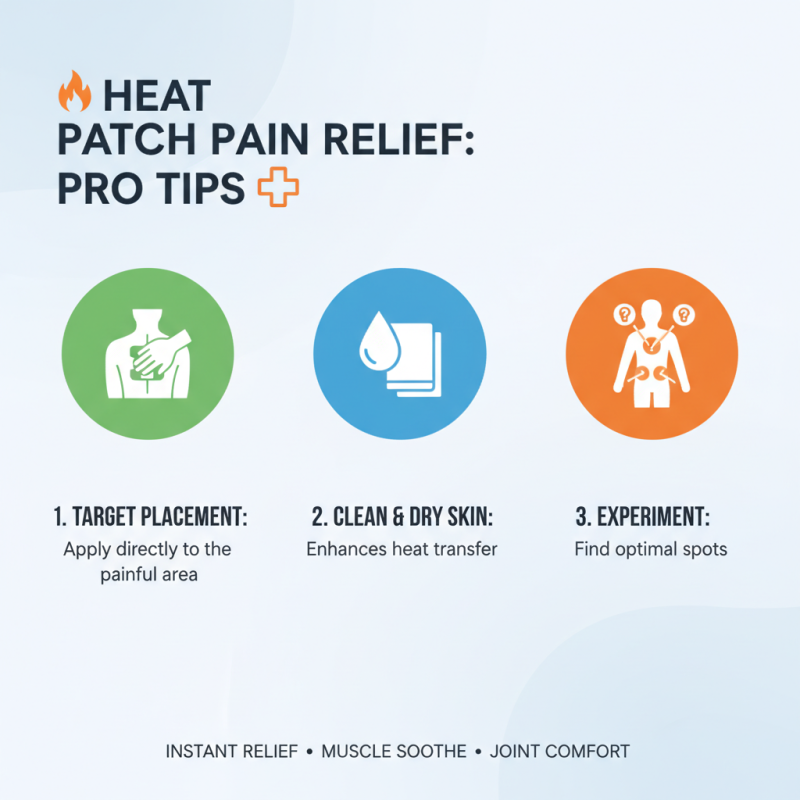
Heating patches can be a great tool for relieving pain, but using them effectively requires some tips and tricks. Position the patch directly on the painful area. Ensure that your skin is clean and dry before application. This allows for better heat transfer, enhancing the effectiveness of the patch. Experiment with the placement, as some areas may respond better than others.
Monitor the temperature closely. Sometimes, patches can feel too hot or not warm enough. If it’s uncomfortable, remove it to prevent burns. Pay attention to the duration of use; the instructions often suggest a time limit. Overusing patches could lead to skin irritation.
Consider layering your solutions. Combine heat therapy with stretching or light movement to increase relief. After applying the patch, take a few minutes to gently stretch the muscles around it. This dual approach can improve overall pain management. Remember, everyone’s body is different. What works for one person may not work for another. Keep track of what helps you best.