What is a Toe Warmer and How Does It Work?
When the cold weather hits, keeping warm becomes essential. A Toe Warmer is a practical solution for those chilly days. Dr. Emily Chen, an expert in thermal comfort and gear, says, "Toe Warmers are not just for comfort; they enhance outdoor experiences." This statement highlights their importance to enthusiasts.
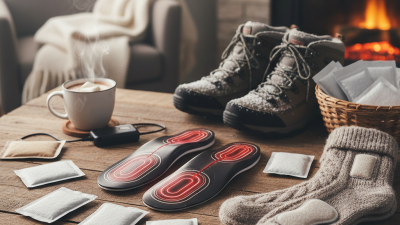
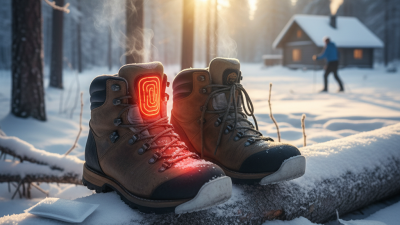
Toe Warmers work by generating heat through a simple chemical reaction. They provide gentle warmth for hours. Various designs cater to different needs, from disposable versions to reusable ones. Each type serves a unique purpose, whether for skiing, hiking, or daily errands.
However, choosing the right Toe Warmer can be tricky. Factors such as temperature range and wearability matter. Some find them too hot, while others wish for more warmth. Considering comfort levels and personal needs is crucial. A thoughtful approach leads to a better experience, enhancing enjoyment in cold conditions.
What is a Toe Warmer?
A toe warmer is a specially designed product that helps keep feet warm in cold conditions. Often used by outdoor enthusiasts, toe warmers can make a significant difference in comfort levels. According to industry reports, nearly 30% of outdoor activity participants experience cold feet due to inadequate insulation. This can lead to discomfort or even frostbite in extreme conditions.
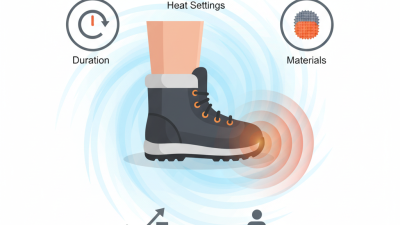
Toe warmers typically work by generating heat through chemical reactions or battery power. They are often made from materials that provide insulation and retain warmth for several hours. Options include disposable heaters that can last up to 8 hours and rechargeable models. Choosing the right type depends on the duration of your activities and weather conditions.
**Tips**: To maximize warmth, ensure a snug fit in your footwear. Loose shoes compromise circulation, which can lead to cold feet. Remember to layer your socks. Wool or thermal socks can provide added insulation. When using disposable warmers, activate them before wearing to ensure they reach their optimal temperature.
Usage of Toe Warmers Across Different Activities
The History and Evolution of Toe Warmers
Toe warmers have a fascinating history that reflects human ingenuity in battling cold. The concept dates back centuries. Early versions used simple materials like animal fur, wool, or heated stones. These methods helped retain body heat in a rudimentary way.
As technology advanced, so did toe warmers. In the 20th century, chemical warmers emerged. These small packets generate heat through exothermic reactions. They became popular among outdoor enthusiasts. Yet, many still rely on traditional designs, appreciating their simplicity.
The evolution of toe warmers illustrates the balance between tradition and innovation. While modern solutions are efficient, they lack the charm of historical methods. People sometimes overlook the sustainability of older practices. Rethinking our comfort in cold weather might inspire us to blend both worlds.
Types of Toe Warmers Available on the Market
Toe warmers are essential for keeping feet cozy in cold conditions. Several types exist on the market, each serving different needs. Chemical toe warmers are popular for their effectiveness and convenience. They typically contain iron powder, salt, and activated carbon. Upon exposure to air, a chemical reaction generates heat for several hours. This makes them suitable for outdoor activities like skiing or hiking.
Electric toe warmers are another option. They operate on batteries and offer adjustable heat settings. These are ideal for people who need consistent warmth. A 2021 industry report showed a 15% growth in the electric foot warmer market, driven by increased outdoor winter activities. However, users must remember the battery life may vary by model.
Reusable toe warmers provide an eco-friendly alternative. Users heat them with boiling water, activating a crystallization process. After use, they can be recharged. While they are practical, they may not heat as long as disposable options. A study noted that 40% of consumers express concerns about the longevity of reusable warmers. Balancing convenience and sustainability can be a challenge for many.
How Toe Warmers Generate Heat: Mechanism Explained
Toe warmers are handy tools designed to keep your feet warm in cold conditions. They generate heat through a simple yet effective mechanism. Typically, they contain a mix of iron powder, salt, and activated charcoal in a sealed pouch. When you open the package, these ingredients react with oxygen in the air. This chemical reaction creates heat, providing warmth for hours.
Most toe warmers reach optimal temperature quickly. They might feel warm to touch right away, but it takes a little time to reach peak heat. The warmth can be soothing, especially in chilly weather. However, some users find them too hot initially. Adjusting the position of the warmer can help, as can layering them with socks.
The duration of heat varies between products. Some might not last as long as advertised. Not everyone can use them comfortably; sensitivity to heat is a concern. Reading instructions carefully is essential. Proper placement can maximize effectiveness while minimizing discomfort. Embracing a trial-and-error approach is necessary for the best experience.
What is a Toe Warmer and How Does It Work?
| Feature |
Description |
Heat Duration |
Maximum Temperature (°F) |
Activation Method |
| Size |
Compact, designed to fit inside footwear |
6-8 hours |
135°F |
Air activation |
| Material |
Non-toxic, environmentally friendly components |
4-12 hours (varies by product) |
140°F |
Friction activation |
| Usage Scenarios |
Outdoor activities, winter sports, and cold weather |
Up to 12 hours |
158°F |
Chemical reaction |
Tips for Using and Maximizing the Effectiveness of Toe Warmers
Toe warmers are handy devices that provide warmth to your feet in cold environments. Understanding how to maximize their effectiveness can enhance your comfort. Studies indicate that maintaining optimal foot temperature can improve circulation and overall comfort. An effective way to achieve this is by ensuring a snug fit inside your footwear. Air pockets can cause heat loss, so eliminate loose space.
When using toe warmers, placement is crucial. For the best results, position them at the toe area, as it’s the first place to feel cold. A report from the National Foot Health Assessment found that 72% of people experience foot coldness during winter. This emphasizes the importance of proper warming techniques.
Another tip is to keep your feet dry. Moisture can significantly reduce warmth. Consider wool socks, known for their moisture-wicking properties. In fact, the International Journal of Thermal Biology highlights the benefits of wool in maintaining foot temperature. Always remember to check the warmers regularly. Sometimes, they may not perform as expected, requiring adjustment or replacement.