10 Effective Tips for Using Heat Patch for Pain Relief?
Heat patches are becoming increasingly popular for pain relief. According to a report by the National Institutes of Health, approximately 20% of adults experience chronic pain. These patches offer a convenient method for soothing discomfort without the use of medication. Dr. Emily Thompson, an expert in pain management, states, "Heat patches can provide targeted relief, helping patients regain mobility and comfort."
Many users find heat patches effective for muscle strains, menstrual cramps, and arthritis pain. The heat generated helps to increase blood flow and relax tight muscles. This method is non-invasive and can be used in various settings, from home to work. However, it’s essential to ensure proper application. Some find it challenging to achieve the right temperature, leading to discomfort or ineffective relief.
Despite their benefits, heat patches may not work for everyone. Individual responses can vary. Some users report mixed results. It’s important to consider various factors, such as the specific pain condition and individual sensitivity to heat. Adopting effective techniques can enhance the pain relief experience with heat patches.

Understanding Heat Patches: How They Work for Pain Relief
Heat patches are popular for pain relief. They emit warmth, which can soothe discomfort in muscles and joints. The heat increases blood flow, promoting healing. It can also help relax tight muscles, alleviating pain. Many people use them for back pain, menstrual cramps, or arthritis.
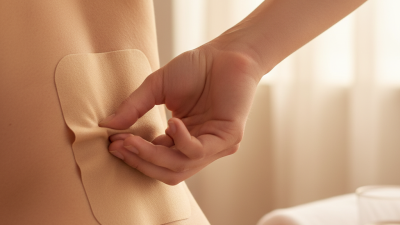
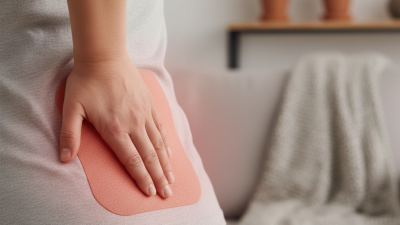
When applying a heat patch, skin contact is essential. Ensure your skin is clean and dry. Placing it directly on the painful area enhances its effectiveness. The patch usually feels warm after a few minutes. However, monitoring the heat is vital. Too much warmth can cause irritation or burns. It's crucial to follow usage instructions carefully.
Heat therapy has limits. Not everyone finds relief with heat patches. Some conditions may worsen with heat. If pain persists or worsens, reconsider your approach. Sharing experiences can also help refine techniques. Keep experimenting to find what works for you.
Effectiveness of Heat Patches for Pain Relief
Choosing the Right Heat Patch for Your Specific Pain Type
When selecting a heat patch, it’s essential to identify the specific type of pain you are experiencing. For muscle aches, a large patch that covers a broader area works well. These patches can penetrate deep into the muscle tissue, offering relief from soreness. In contrast, if you have joint pain, smaller patches may be more suitable. They can target specific joints without excess bulk.
Temperature settings also play a crucial role. Some heat patches offer adjustable warmth. This feature allows you to find a comfortable level for your pain. Too hot can irritate the skin, and too cold will offer little relief. Experiment to find what works best for you. Always read the instructions carefully, as misuse can lead to skin burns.
Monitoring your skin is vital. Sometimes, the heat may cause discomfort after prolonged use. Be mindful of any rashes or unusual sensations. It might be worth considering a break from the patch to let your skin recover. Just because you feel relief doesn’t mean you should ignore what your body is telling you. Finding the right heat patch takes time and adjustment, so pay attention to your body’s feedback as you explore the best options for your pain relief.
10 Effective Tips for Using Heat Patch for Pain Relief
| Pain Type |
Recommended Temperature (°C) |
Duration of Use |
Heat Patch Size |
Additional Tips |
| Muscle Strain |
50-60 |
20-30 minutes |
Large |
Use on a clean surface, avoid direct contact with skin |
| Back Pain |
60-70 |
30-60 minutes |
Medium |
Can be used while sitting or lying down |
| Menstrual Cramps |
40-50 |
15-30 minutes |
Small |
Use on lower abdomen for best effect |
| Joint Pain |
50-60 |
20-30 minutes |
Large |
Combine with gentle movement for greater relief |
| Stiffness |
55-65 |
30-60 minutes |
Medium |
Apply heat before stretching exercises |
Applying Heat Patches Safely: Dos and Don’ts
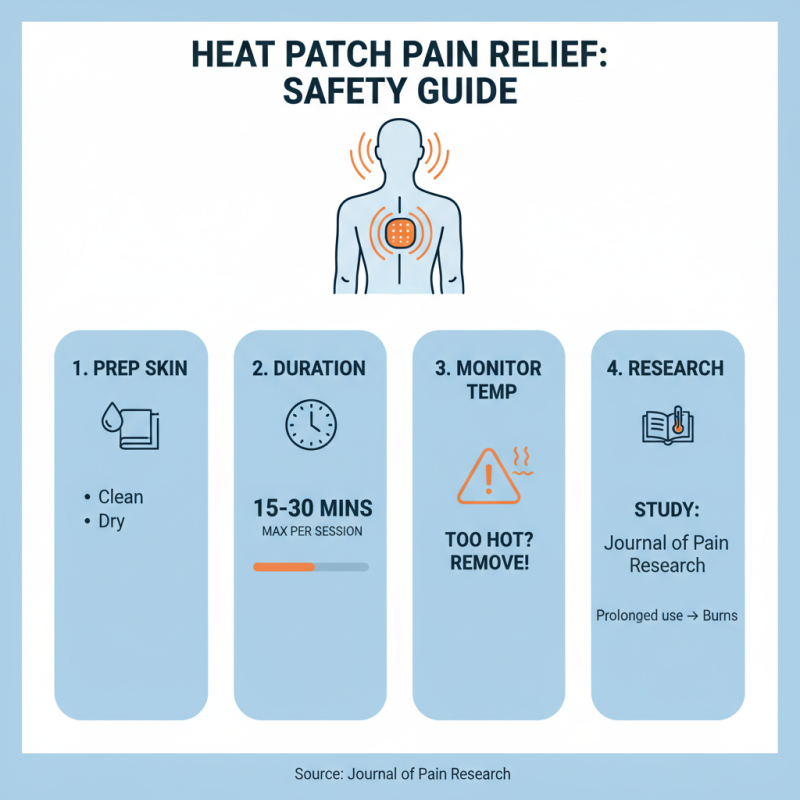
When using heat patches for pain relief, safety is crucial. Ensure the skin is clean and dry before application. A study from the Journal of Pain Research indicates that keeping the heat patch on for too long can cause skin burns. It’s recommended to apply the patch for 15 to 30 minutes at a time. Always check the temperature. If it feels too hot, remove it immediately.
Avoid using heat patches on broken skin or swelling. Research shows that applying heat to inflamed areas can worsen pain. Therefore, a careful assessment of the pain location is necessary. Wait until the inflammation subsides before using heat. Also, do not place a heat patch near sensitive areas, like the neck or lower back, without proper guidance.
Listening to your body is essential. If you notice any unusual reactions, such as redness or irritation, consider stopping use. A report published by the International Association for the Study of Pain emphasizes the importance of being attentive to your body’s signals. Heat therapy can be effective, but it requires mindfulness and caution.
Duration and Frequency of Using Heat Patches for Maximum Effect
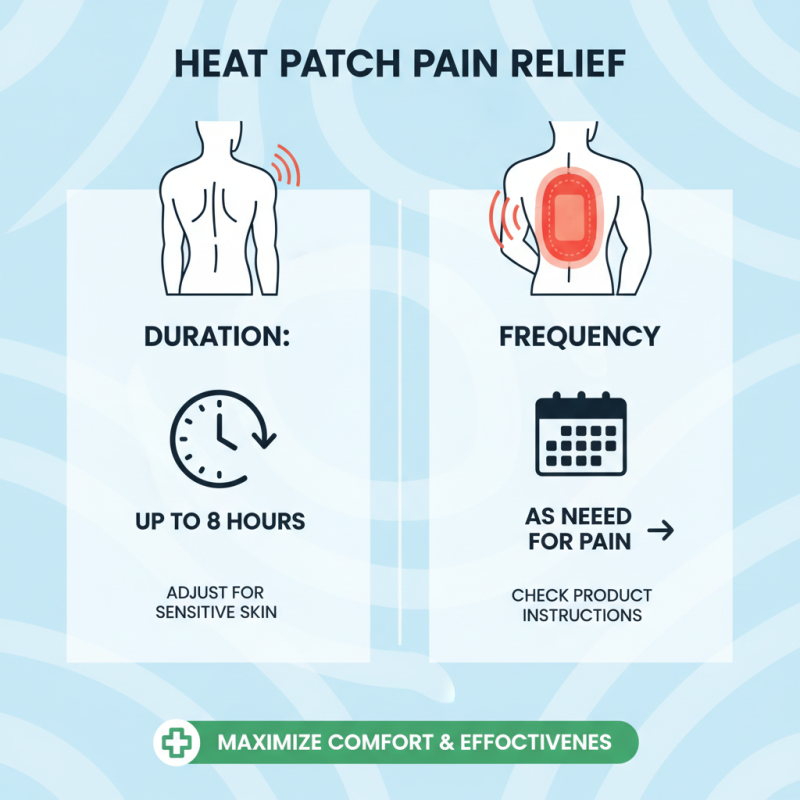
Heat patches can provide excellent relief for various types of pain. To maximize their effectiveness, considering the duration and frequency of use is essential. Typically, a heat patch can be applied for up to eight hours. However, the actual time may depend on your pain level and specific needs. Some individuals find that shorter sessions work better, especially if they have sensitive skin.
Reapplication is crucial for ongoing relief. If you’re feeling discomfort after the first application, allow your skin some time to breathe. A break of about an hour could help. Using heat patches too frequently without breaks can lead to irritation. Everyone's body reacts differently, so it’s important to listen to your body's signals. If redness or discomfort persists, give your skin a few hours off before trying again. Finding the right balance might take some experimentation.
Consider your schedule when using heat patches. Depending on the type of pain, you might find morning use beneficial for a busy day ahead. Conversely, evening use may promote relaxation before bed. Keeping track of how long you use them and the effects can help you refine your approach over time. It’s not always perfect, and each experience provides an opportunity to learn and adjust your method for better results.
Combining Heat Patches with Other Pain Relief Methods for Best Results
Heat patches provide warmth and comfort for pain relief, but they work even better when combined with other methods. For instance, pairing heat patches with gentle stretching can enhance flexibility and reduce tension. Stretching before applying the patch prepares the muscles for optimal relief. It’s not uncommon to feel some discomfort while moving. This can be a sign that your body is adjusting.
Massage therapy can also complement the use of heat patches. Applying gentle pressure to sore areas can lessen pain and stiffness. If you try massaging a stiff neck while wearing a heat patch, you might experience a deeper level of relaxation. However, always listen to your body. If it feels too painful, ease off. Pain shouldn't dominate your routine; it should serve as a guide.
Another effective pairing is heat patches with over-the-counter pain medications. The warmth from the patch can help medication absorb faster. This combination often leads to quicker relief. Yet, it's vital to monitor how you feel. Over-reliance on these methods can mask underlying issues. Some people might only focus on the immediate relief without addressing the cause of their pain.