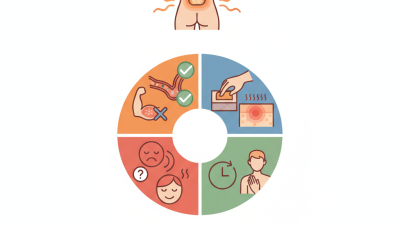
10 Effective Tips for Using Heat Patch For Cramps Relief?
Menstrual cramps affect about 80% of women at some point in their lives. Many seek relief through various methods. Heat therapy is one of the most effective and well-studied methods. A heat patch for cramps can provide targeted relief, reducing muscle tension and improving blood flow.
Research shows that heat therapy can elevate pain thresholds and reduce discomfort. According to a study published in the Journal of Obstetrics and Gynaecology, using a heat patch effectively decreases menstrual pain in many women. However, not all heat patches are created equal. The effectiveness can vary by brand and application method.
Choosing the right heat patch for cramps is essential for maximizing benefits. Some patches offer continuous warmth, while others may heat quickly. Understanding your body’s response to heat therapy is crucial. Experiment with different types. Make sure to read user reviews and research ingredients. This knowledge empowers women to make informed decisions.
Understanding Heat Patches: What They Are and How They Work
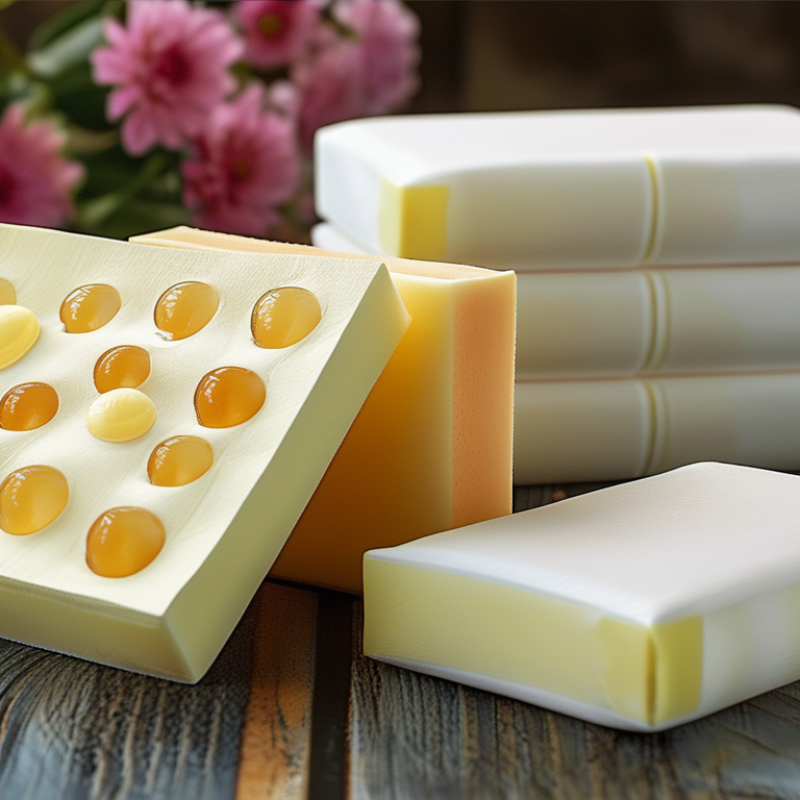
Heat patches are popular tools for relief from cramps. They provide localized warmth, promoting circulation and soothing muscles. Understanding how they work is essential for maximizing their benefits. These patches typically contain a blend of ingredients that create heat through oxidation when exposed to air. This gentle warmth can alleviate discomfort caused by menstrual cramps, muscle strains, or tension.
To effectively use heat patches, ensure your skin is clean and dry before application. This allows the patch to adhere properly and function effectively. A good tip is to choose a patch that fits your pain area well. If you're experiencing intense cramps, applying the patch directly to the skin can enhance the heating effect. However, if your skin is sensitive, consider placing a piece of cloth between the patch and your skin.
Remember, timing is also crucial. Apply the patch early, before cramps peak. This can help reduce their intensity. A common mistake is to leave the patch on for too long, risking skin irritation. Always follow the instructions for duration. Taking breaks between uses can also help your skin recover. These small details can make a significant difference in relief effectiveness.
When to Use Heat Patches for Cramps: Timing is Key
When you experience cramps, timing is crucial for effective relief. Applying heat patches at the right moment can significantly enhance your comfort. Consider using them when cramps begin. Early application can prevent pain from escalating. If you notice symptoms during physical activity or your menstrual cycle, that’s the ideal time for a heat patch.
Heat patches work by increasing blood flow to the affected area. This helps relax tense muscles and reduces discomfort. Tip one: Keep patches on the affected area for at least 20 minutes. This duration optimizes warmth penetration. Tip two: Monitor your body's response. If you experience burning or excessive heat, reconsider your timing or usage. Remember, everyone’s sensitivity differs.
Another effective tip is to combine heat with gentle stretching. This can amplify relaxation and may further alleviate cramps. However, be cautious. Overstretching can lead to more pain. Reflect on how your body responds to both heat and movement. This could guide better future usage. Listening to your own needs is key.
How to Apply Heat Patches Effectively for Maximum Relief
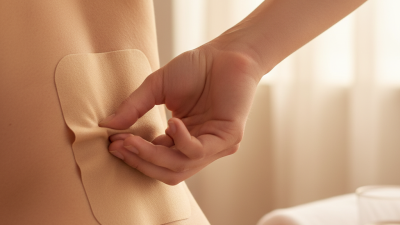
Applying heat patches correctly can greatly enhance relief from cramps. Start by cleaning the skin where you plan to place the patch. This helps the patch stick better and increases effectiveness. Ensure that the area is dry and free of oils or lotions. Excess moisture can reduce adhesion, which might lead to discomfort.
When applying the heat patch, remove the protective film. Gently press the patch onto the targeted area. Ensure it is in full contact with your skin for even heat distribution. It’s best to apply it on a consistent surface, like a flat area of your abdomen or lower back.
Consider the timing as well. For optimal results, use the heat patch for at least 30 minutes. Some studies suggest longer use might provide better relief. However, pay attention to your body's reaction. If you feel discomfort or skin irritation, it’s crucial to remove the patch immediately. Always listen to yourself. Over-reliance on any method can dull your senses about pain management.
Safety Precautions When Using Heat Patches for Cramps
Heat patches are a common remedy for menstrual cramps. However, it's important to use them safely. Research indicates that improper use can lead to skin burns or irritation. Always apply a heat patch to clean, dry skin. Avoid using it on broken or inflamed skin.
Duration matters. Studies show that heat therapy is most effective for about 20 to 30 minutes. Leaving a patch on too long increases the risk of burns, especially for those with sensitive skin. If you feel any discomfort or prolonged heat, remove the patch immediately.
Hydration is key. While heat can ease pain, staying hydrated can help minimize cramps. Monitor your body’s reaction regularly. If you notice unusual pain or skin reactions, seek medical advice. These precautions ensure effective and safe relief for cramps.
Alternative Methods for Cramps Relief: Comparing Heat Patches to Other Options
When managing menstrual cramps, many often reach for heat patches due to their ease of use. Heat patches provide consistent warmth, which helps relax muscles and improve blood flow. However, it’s essential to consider alternative methods for cramps relief, as they can offer unique benefits. Over-the-counter pain relievers can relieve discomfort for some individuals. Herbal teas such as ginger and chamomile may soothe cramps naturally, providing an option without relying on heat.
In addition to medications and teas, gentle exercises like yoga can alleviate pain effectively. Many people find stretching or mild physical activity helps to reduce muscle tension. Aromatherapy with essential oils like lavender can also create a calming atmosphere, promoting relaxation. While heat patches are convenient, they may not always be the best solution for every person. Individual responses to cramps vary widely, and what works for one may not work for another.
It’s important to experiment with different methods to find what suits you best. Tracking your cycle and symptoms can aid this process. Some may prefer a combination of treatments, blending heat with herbal remedies or yoga. Reflecting on personal experiences can lead to better self-care practices. Always listen to your body and consult professionals when trying new approaches.