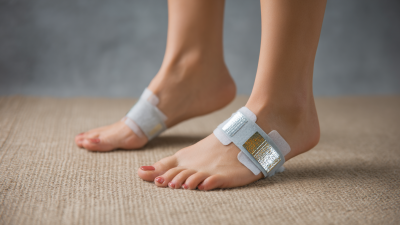
How to Choose Menstrual Heating Patches in 2026
Choosing the right Menstrual Heating Patch in 2026 requires more than comparing package colors or promising claims. A useful patch should provide steady warmth, feel comfortable under clothing, and suit your skin’s sensitivity. It should also include clear instructions, ingredient information, usage limits, and reliable manufacturer details. Small design choices matter. A thin patch may sit discreetly beneath a sweater, while a poorly shaped one can wrinkle near the waistband.
This guide examines heat duration, temperature control, adhesive comfort, portability, and safety features. It also considers how different materials may affect people with sensitive skin or allergies. Real-world use can reveal problems that product descriptions miss. A patch may warm quickly but lose heat after two hours. Another may last longer but irritate the skin during removal. These trade-offs deserve honest attention.
Check the label carefully.
Evidence and professional guidance should influence your decision, especially if you have diabetes, reduced sensation, circulation concerns, or recurring severe menstrual pain. Heat can ease temporary discomfort, but it does not diagnose or treat an underlying condition. Stop using a patch if you notice burning, persistent redness, swelling, or unusual pain. Speaking with a qualified healthcare professional is sensible when symptoms are severe, sudden, or difficult to manage.
There is no perfect choice. The best option balances warmth, safety, comfort, price, and your daily routine. This 2026 guide helps you compare those details clearly, while leaving room to question attractive claims and reassess what truly works for your body.
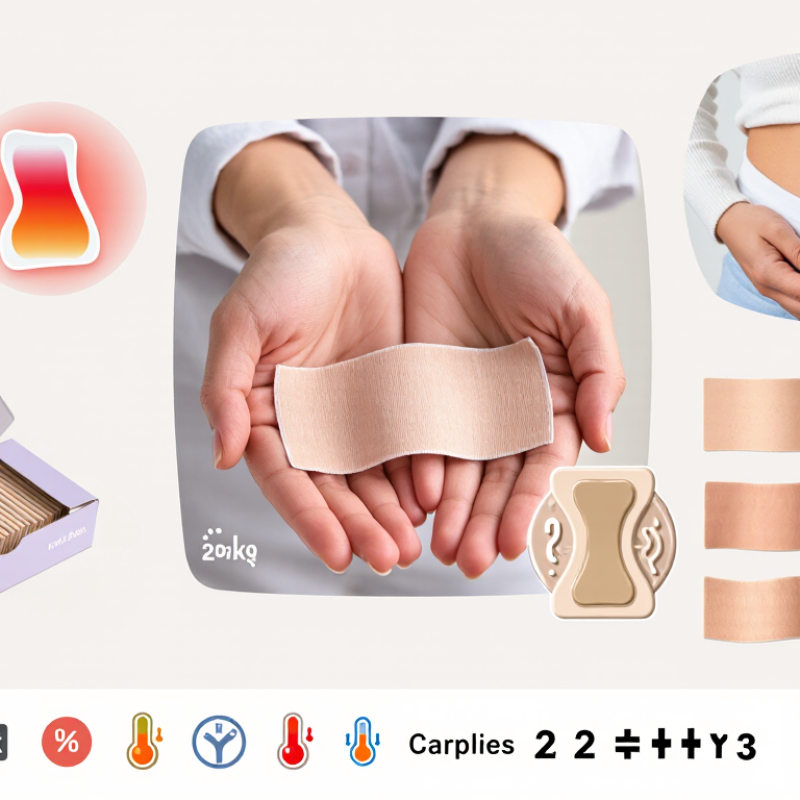
Define the Need: Dysmenorrhea Affects Up to 90% (AAFP)
How to Choose Menstrual Heating Patches in 2026
Dysmenorrhea, or painful menstruation, is not a minor inconvenience for many people. The American Academy of Family Physicians reports that it can affect up to 90% of menstruating individuals. That figure changes how we should assess heating patches. They are comfort tools, not cosmetic accessories. A suitable patch should provide steady warmth without becoming painfully hot during a commute, class, or work shift.
Look for clear temperature guidance, skin-safety instructions, and a realistic heating duration. A flexible design may sit more comfortably below the navel, where cramping often feels strongest. Check whether the adhesive irritates sensitive skin. Test it briefly first. Do not sleep with a heated patch unless the instructions specifically permit it. Avoid applying one to broken, numb, or inflamed skin, and stop using it if burning, rash, dizziness, or unusual pain appears.
Heat may relax muscles and ease cramps, but it does not explain every pelvic pain pattern. Severe pain, fainting, fever, unusually heavy bleeding, or pain that suddenly worsens deserves medical assessment. Persistent symptoms may relate to conditions such as endometriosis, which a patch cannot treat. A common mistake is choosing the hottest option because stronger heat seems more effective. It may simply increase skin risk. Comfort is useful evidence, but it is not a diagnosis. Listen carefully, and question what the patch cannot tell you.
Verify Safety: Follow FDA Guidance on Skin Contact and Burns
How to Choose Menstrual Heating Patches in 2026
A heating patch should feel comfortably warm, never sharply hot. The FDA warns that prolonged heat exposure can cause burns, even at temperatures that feel tolerable. Skin redness, stinging, numbness, or blistering means remove the patch immediately. Do not sleep while wearing it. Avoid broken, irritated, sunburned, or recently shaved skin. People with reduced heat sensitivity need medical advice before use.
Professional evidence supports heat for menstrual cramps, but product safety still depends on usage. A Cochrane review found limited, variable-quality evidence for non-drug dysmenorrhea treatments. The U.S. Consumer Product Safety Commission reported about 2,900 emergency-department injuries linked to heating pads from 2009 to 2013. Those figures do not measure menstrual patches directly. They still show why thermal products deserve caution. I would not assume “low heat” means risk-free.
Tips: Check the maximum wearing time and temperature. Apply one patch only. Place it over clothing if the instructions allow. Inspect the skin every 15 minutes during the first use. Remove it before exercise, bathing, or sleep. Stop using it if the adhesive causes itching. Keep a simple note of heat level, wear time, and skin changes. Packaging advice can be unclear, and that is worth questioning. When cramps are unusually severe, persistent, or accompanied by heavy bleeding, consult a qualified healthcare professional.
Check Materials: Review Adhesives, Fragrance, and Allergen Labels
How to Choose Menstrual Heating Patches in 2026
When choosing a menstrual heating patch, inspect every material listed on the package. The adhesive should be clearly identified and intended for skin contact. Avoid products with vague terms like “proprietary blend” when the full ingredient list is missing. Check for common irritants, including latex, rosin, acrylates, dyes, and strong essential oils. Sensitive skin needs fewer surprises.
Fragrance-free options are usually easier to evaluate. Added perfume may cause itching, redness, or discomfort, especially under tight clothing. A warm patch should smell like almost nothing. Review the allergen statement, usage time, expiry date, and storage instructions. Reliable packaging should also provide a manufacturer’s contact details and a batch or lot number. These details seem minor, but they help when a reaction occurs.
Tips: Apply the patch over clothing if the instructions allow it. If direct skin contact is required, test a small area first. Remove it immediately if burning, swelling, or persistent itching appears. Never place it on broken or irritated skin. I sometimes forget that “natural” fragrance can still irritate skin. A pharmacist or dermatologist can help interpret unfamiliar ingredients, particularly with eczema or known allergies. Stop using the product if discomfort continues.
How to Choose Menstrual Heating Patches in 2026: Check Materials, Adhesives, Fragrance, and Allergen Labels
EU cosmetics rules require certain fragrance allergens to be declared when they exceed
0.001% in leave-on products or 0.01% in rinse-off products. Menstrual heating patches
are typically leave-on products, so review the full ingredient list for fragrance or
parfum, listed fragrance allergens, adhesive ingredients such as acrylates, and any
latex-related wording. These thresholds are labeling limits, not safety guarantees.