DOWNLOAD CATALOG
Leave Your Message

How to Choose Heated Pads for Periods

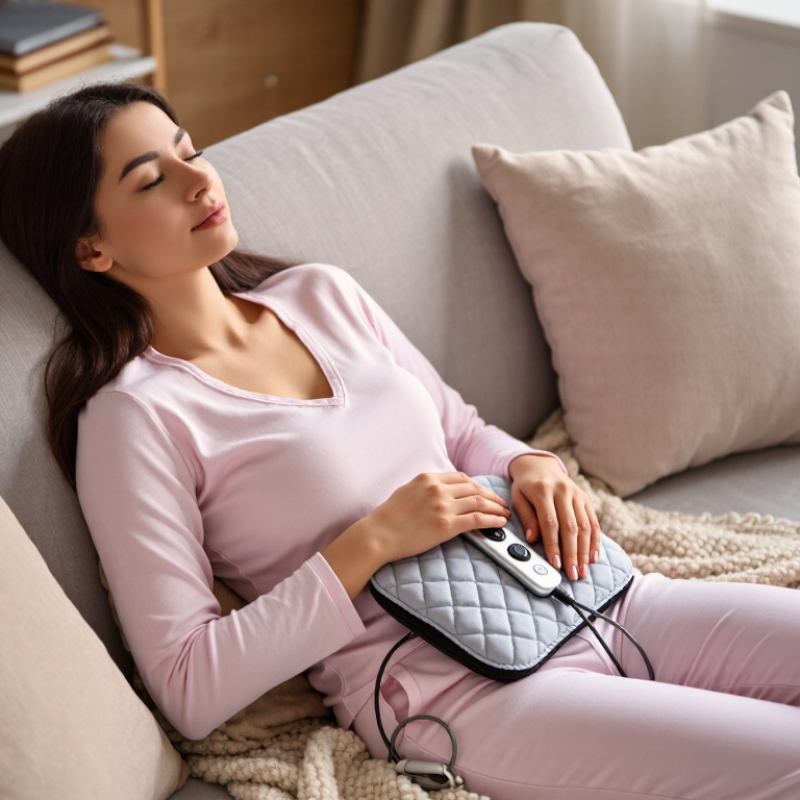
Choosing Heated Pads For Periods is not simply about finding the hottest model. Comfort, safety, temperature control, and reliable construction matter more during painful days. A suitable pad should warm evenly across the lower abdomen, feel soft against the skin, and stay in place when you shift on the sofa or in bed. Look for adjustable heat settings, automatic shut-off, washable covers, and clear operating instructions.

Dr. Alyssa Dweck, an obstetrician-gynecologist, explains that heat can “relax the muscles and increase blood flow.” This principle helps explain why gentle warmth may ease cramping for some people. However, personal experience varies. A setting that feels soothing to one user may feel uncomfortably hot to another. Start low. Check your skin often. Never sleep with an unfamiliar pad or place it directly on damaged skin.

Material quality also deserves attention. A thin cord can twist around your legs, while a stiff pad may press against tender areas. A portable design may help at work, but battery performance can disappoint. That is worth questioning. Reviews can reveal repeated faults, yet they should not replace medical guidance. Severe, worsening, or unusually heavy-period pain needs professional evaluation, because a heated pad only manages symptoms. This guide will compare pad types, heating controls, fabrics, cleaning needs, and practical safety features. The goal is not maximum heat. It is dependable relief with fewer unpleasant surprises.
How to Choose Heated Pads for Periods

What Heated Pads Are and How They Relieve Period Cramps

How to Choose Heated Pads for Periods

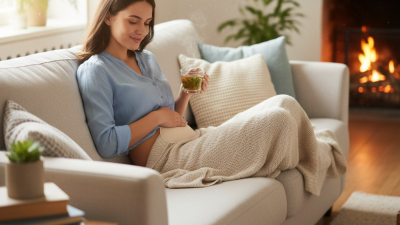
Heated pads are reusable or disposable devices that provide gentle warmth to the lower abdomen or back. They may use electricity, gel, or air-activated materials. During my own observations, steady warmth often feels more helpful than intense heat. It can relax tense muscles and reduce the sharp, gripping sensation linked with menstrual cramps. Heat may also improve local blood flow, although relief varies from person to person.

When choosing one, check its temperature controls, surface size, and flexibility. A pad that covers the lower abdomen evenly may feel more comfortable than a small, rigid design. Look for automatic shutoff and clear care instructions. These details matter, especially when cramps make concentration difficult. A warm, not hot, setting is usually a sensible starting point. Never place a heated pad directly on irritated or injured skin.

Use it for short periods and check your skin regularly. Do not sleep with an electric pad unless the instructions specifically allow it. People with reduced heat sensitivity should ask a healthcare professional before use. Severe, sudden, or worsening pain also deserves medical advice, because cramps are not always ordinary. I sometimes find warmth soothing but insufficient. That limitation is easy to overlook. If the pad causes redness, burning, dizziness, or discomfort, remove it and stop using it.

How to Choose Heated Pads for Periods - What Heated Pads Are and How They Relieve Period Cramps

Heated Pad Type How It Produces Heat Main Advantages Limitations Best For Key Safety Considerations
Electric Pad An electrical heating element warms the pad while it is connected to a power source. Adjustable heat settings, consistent warmth, and no reheating between uses. Requires access to electricity and should not be used while sleeping unless the product instructions specifically permit it. Home use when precise temperature control is important. Inspect the cord and pad for damage, keep it dry, and follow the stated maximum session time.
Microwaveable Pad A fabric pouch filled with materials such as grain or gel stores heat after microwave heating. Cord-free, reusable, and often soft enough to contour around the abdomen. Warmth gradually decreases and uneven heating may create hot spots if preparation instructions are ignored. People who want a reusable, portable option for short periods away from an outlet. Heat only for the specified time, mix or shake contents when instructed, and test the temperature before applying.
Chemical Disposable Pad An air-activated chemical reaction releases heat after the package is opened. Lightweight, convenient, and does not require a microwave or electrical outlet. Single-use, creates more waste, and offers limited temperature adjustment. Travel, commuting, or situations where immediate cord-free warmth is needed. Use over clothing when directed, do not cut or puncture the pad, and remove it if the skin becomes excessively hot or irritated.
Rechargeable Pad A built-in rechargeable battery powers an internal heating element. Portable, reusable, and usually offers selectable heat levels. Needs regular charging and may be heavier or more expensive than non-powered options. Users who need adjustable heat while moving around at home or outdoors. Use the supplied charger when applicable, protect the battery from excessive heat and moisture, and follow charging instructions.
Heat Wrap or Belt Provides localized warmth through an electric, chemical, gel, or fabric-based heat source. Hands-free design can stay positioned over the lower abdomen during light activity. A tight fit may feel uncomfortable, and some designs cover a smaller area than a flat pad. People who prefer mobility and a secure fit rather than lying on a pad. Choose a comfortable fit, avoid excessive compression, and check the skin regularly during use.

What to Compare Before Buying

Selection Criterion What to Look For Why It Matters
Coverage Area A size that comfortably covers the lower abdomen or lower back without folding. Adequate coverage helps deliver warmth to the area where cramping is felt.
Temperature Control Multiple heat settings or a clearly defined heating profile. Different users have different heat tolerances, and lower settings can improve comfort.
Comfort and Flexibility Soft materials, flexible construction, and a secure but non-restrictive fit. Comfort encourages appropriate use without unnecessary pressure on the abdomen.
Power and Portability Consider whether you need an outlet, microwave access, charging, or a disposable option. The most suitable pad depends on where and how often it will be used.
Automatic Shut-Off A built-in timer or automatic shut-off feature when available. It can help limit prolonged heat exposure, although users should still follow the instructions.
Cleaning and Maintenance A removable, washable cover or clear cleaning instructions. Regular care helps maintain hygiene, especially when the pad is used repeatedly during menstruation.
How heat may help: Gentle warmth can relax tense abdominal muscles, increase local blood flow, and reduce the perception of cramp-related pain. Use a comfortable temperature with a layer of fabric between the heat source and skin when appropriate. Stop using the pad if burning, numbness, skin discoloration, or irritation occurs. Severe, sudden, worsening, or unusual menstrual pain should be assessed by a qualified healthcare professional.

Key Features to Compare Before Choosing a Heated Pad

How to Choose Heated Pads for Periods

Key Features to Compare Before Choosing a Heated Pad

A useful heated pad should warm evenly, not create one scorching spot. Check for several temperature levels and simple controls that work without looking away. Lower settings suit long, gentle sessions, while stronger heat may feel helpful during intense cramps. However, hotter is not always better. Skin can burn before discomfort becomes obvious.

Size matters during real use. A pad covering the lower abdomen may feel more practical than a small square that shifts constantly. Look for flexible fabric, secure fastening, and enough length to rest comfortably around the waist. A washable cover is valuable, especially after repeated use. Corded models can provide steady heat, while rechargeable options offer easier movement. Battery life deserves careful checking, because advertised times may change at higher settings.

Safety features should influence the decision heavily. Automatic shut-off, overheat protection, and clear care instructions reduce avoidable risks. Avoid sleeping with a heated pad unless the product specifically allows it. Keep the pad dry, inspect wires regularly, and stop using it if the fabric or controller feels damaged. I once focused too much on heat intensity and ignored comfort during sitting. That was a poor trade-off. Personal comfort, skin sensitivity, and medical conditions vary, so people with reduced sensation or unusual menstrual pain should seek professional advice before relying on heat alone.

How to Match Pad Size, Shape, and Heat Coverage to Your Needs

How to Choose Heated Pads for Periods

Pad size should follow the pain area, not the product label. The American College of Obstetricians and Gynecologists reports that more than half of menstruating women experience period pain. For lower abdominal cramps, choose a pad covering both sides of the pelvis, with enough flexibility to follow your waist. A smaller pad may suit focused back pain. However, coverage matters more than extreme heat.

Shape affects comfort during movement. A slim, curved pad usually stays better under clothing, while a wider wrap can cover the abdomen and lower back together. Look for adjustable straps, soft edges, and even heat across the center. A 2023 clinical review in the Journal of Clinical Medicine found that heat therapy may reduce primary dysmenorrhea pain, although study quality and sample sizes remain inconsistent. That limitation deserves attention.

Temperature should feel soothing, never sharp or burning. The NHS advises protecting skin from excessive heat, and clinical guidance commonly recommends checking the skin regularly. Start with a low setting for 15–20 minutes. Do not sleep with an electrically heated pad unless the instructions clearly permit it. I once assumed a larger pad was automatically better; it felt bulky and shifted while sitting. That was a useful correction. Persistent, worsening, or unusually severe pain needs medical assessment, because a heated pad cannot identify conditions such as endometriosis.

Safety, Materials, and Comfort Factors for Menstrual Use

How to Choose Heated Pads for Periods

Safety should guide every choice. In practical use, a pad with adjustable heat and an automatic timer offers better control. Start with the lowest setting, especially during the first few minutes. Keep a thin layer of clothing between the pad and your skin. Never sleep with a heated pad switched on. Check the cable, plug, and heating surface before each use. Do not use the pad if it is wet, cracked, unusually hot, or smells like burning. Small faults can become serious.

Material affects both comfort and skin safety. Look for a breathable outer cover, such as cotton or another soft, washable fabric. A removable cover helps reduce sweat and keeps the surface cleaner. Avoid rough seams, strong fragrances, and materials that make your skin itch. Softness is not proof of quality. A thick cover may feel pleasant but can hold excessive heat against the abdomen. The heating element should sit evenly, without hard ridges or empty hot spots.

Fit matters. A flexible shape should rest across the lower abdomen without pressing painfully. A secure closure can prevent slipping while sitting, but it should not feel tight. People with reduced heat sensitivity need extra caution, since burns may develop unnoticed. Stop using the pad if redness, numbness, or discomfort appears. Period pain that is severe, sudden, or different from usual deserves medical advice. I would also reconsider any pad that feels difficult to monitor, even when its materials seem attractive.

How to Choose Heated Pads for Periods

Safety, materials, and comfort factors for menstrual use

How to read this chart: Lower thermal conductivity generally provides more insulation and slower heat transfer, while higher conductivity transfers heat more readily. These approximate reference values vary with fabric density, moisture, thickness, and construction. For menstrual use, choose a pad with a soft skin-contact layer, adjustable temperature control, automatic shutoff, intact wiring, and clear instructions. Avoid sleeping with a heated pad and do not use it directly on irritated or damaged skin.

Approximate room-temperature thermal-conductivity values in W/m·K; material values are reference ranges rather than product safety ratings.

How to Use, Clean, and Store a Heated Pad Responsibly

How to Choose Heated Pads for Periods

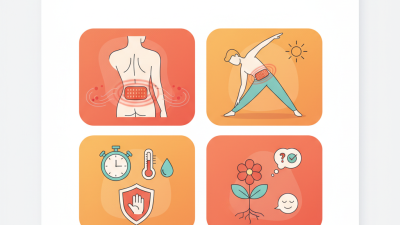
Use a heated pad on clean, dry skin, following its temperature and timing instructions. A thin clothing layer can reduce direct heat. Start with the lowest comfortable setting. Check your skin after several minutes. Redness, tingling, or burning means stop immediately. Never sleep with the pad switched on, and avoid placing it over numb or injured skin. People with diabetes, poor circulation, or pregnancy-related concerns should ask a healthcare professional first.

Unplug the pad before cleaning. Follow the care label carefully. Some covers allow machine washing, but the heating unit usually does not. Wipe non-washable surfaces with a slightly damp cloth, then let everything dry completely. Do not use a pad with exposed wires, a cracked controller, or a damaged plug. NFPA’s Home Structure Fires report recorded an average of 44,210 heating-equipment fires annually from 2016 to 2020. That figure covers broad heating equipment, not menstrual pads, but it shows why unattended heat matters.

Store the pad loosely in a cool, dry place. Avoid sharp folds, heavy objects, and damp drawers. Keep the cord relaxed, not tightly wrapped around the controller. The U.S. Consumer Product Safety Commission repeatedly advises replacing damaged electrical products instead of repairing them casually. I once underestimated how quickly a warm pad could become uncomfortable. Temperature comfort is not a safety test. Check the skin, timer, cord, and surface each time. When in doubt, use less heat.