Leave Your Message
The search for China’s top 10 Heat Patch For Cramps suppliers requires more than comparing factory prices. Buyers need evidence of product safety, thermal consistency, adhesive performance, and export experience. A warm patch should heat gradually, stay comfortable, and remain secure beneath everyday clothing.
Industry reports from Grand View Research, IMARC Group, and Fortune Business Insights describe steady growth in heat therapy and pain-relief products. Their findings connect demand with self-care, menstrual comfort, sports recovery, and convenient home treatment. These reports offer useful market direction, but they do not automatically prove supplier quality.
That distinction matters.
This guide evaluates Chinese manufacturers through practical sourcing criteria. These include production capacity, private-label support, material transparency, quality systems, testing records, and international logistics. Relevant evidence may include ISO 13485 or ISO 9001 certification, documented batch controls, and testing for skin-contact materials. Buyers should also confirm packaging claims and destination-market requirements before placing an order.
Supplier selection can look simple on a trade website. Reality is less tidy. Some factories publish impressive catalogs but provide limited technical documentation. Others have modest websites and stronger manufacturing evidence. Sample testing remains essential, especially for temperature stability, activation time, odor, residue, and wear comfort.
The following shortlist is therefore a research starting point, not a final endorsement. It combines market relevance with practical due diligence. Readers should request current certificates, independent test reports, sample units, and clear complaint procedures. A lower unit price may become expensive when returns, delays, or inconsistent heating appear later.
What Are Heat Patches for Cramps and How Do They Work?
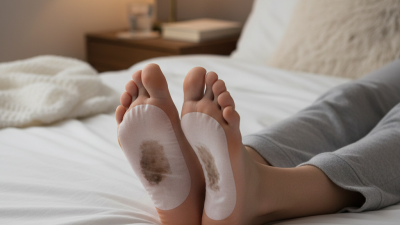
Heat patches for menstrual cramps are thin, wearable products that warm the lower abdomen or back. They usually contain iron powder, salt, activated carbon, and water. Once exposed to air, these materials create controlled heat through oxidation. The warmth can relax tense muscles and increase local blood flow. It may also reduce pain signals reaching the nervous system.
Clinical evidence supports heat as a practical comfort measure. A randomized controlled study in Evidence-Based Nursing reported that continuous low-level heat provided pain relief comparable to an over-the-counter pain reliever for some participants. A Cochrane review also examined non-drug approaches for dysmenorrhea, although researchers noted that evidence quality remains uneven. The evidence is useful, but not flawless.
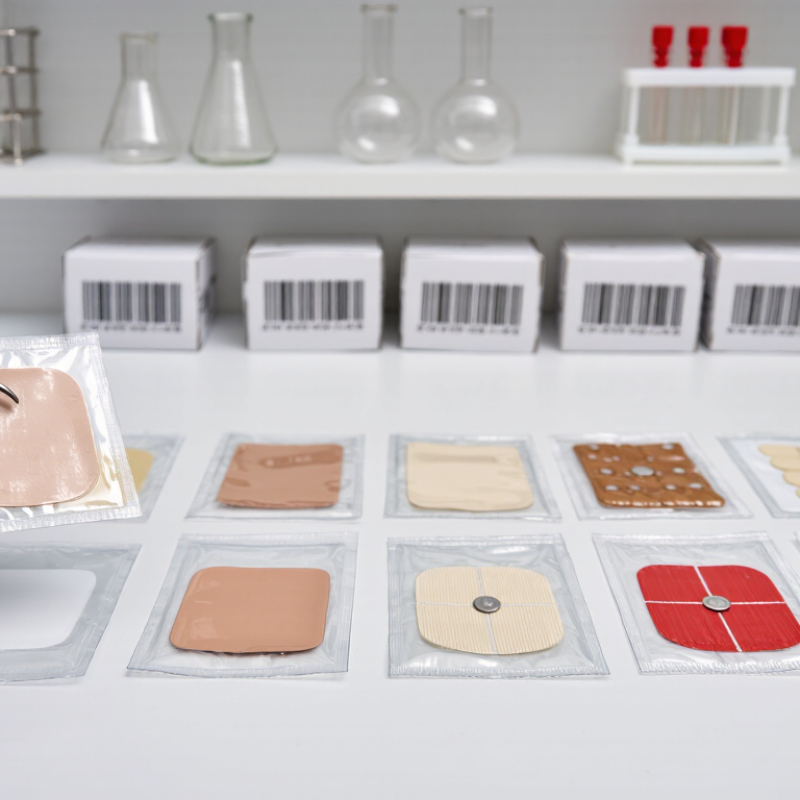
Quality matters when comparing Chinese suppliers. A responsible manufacturer should provide temperature testing, duration testing, material safety documents, and traceable batch records. Many patches are designed to remain warm for six to eight hours, but performance can vary with air exposure and body movement. The patch should feel comfortably warm, never painfully hot. Skin redness requires removal. People with sensitive skin, reduced heat sensation, or unexplained severe pain should seek medical advice before use. Suppliers should also explain adhesive testing and packaging integrity, not only advertise “long-lasting heat.” That detail is easy to overlook.
Heat patches for cramps are self-heating or externally heated adhesive products designed to provide localized warmth. Disposable patches commonly use an iron-based oxidation reaction, while reusable products use gel, phase-change, or electrical heating technology. The supplier profiles below are anonymous, non-ranked sourcing references based on commonly available product specifications in the Chinese market. Actual specifications, testing documents, pricing, and minimum order quantities should be verified directly before purchase.
| Profile | Typical Product Type | Heating Principle | Approx. Heating Time | Typical Surface Temperature | Patch Size Range | Indicative MOQ | Common Documentation | Best-Suited Application |
|---|---|---|---|---|---|---|---|---|
| Supplier Profile 01 | Disposable abdominal heat patch | Iron powder oxidation after exposure to air | 5–10 minutes to warm; up to 8 hours | 40–55°C | 9 × 13 cm to 13 × 18 cm | 10,000–50,000 pieces | Material specification, safety data sheet, stability data | Menstrual cramps and lower-abdominal comfort |
| Supplier Profile 02 | Slim adhesive heat patch | Controlled oxidation with low-profile air-permeable pouch | 5–15 minutes; 6–10 hours | 38–52°C | 7 × 10 cm to 10 × 14 cm | 20,000–100,000 pieces | Heat-profile test, adhesive test, packaging inspection report | Discreet wear under clothing |
| Supplier Profile 03 | Large lumbar and abdominal patch | Iron, activated carbon, salt, water, and vermiculite reaction | 10–20 minutes; 8–12 hours | 40–55°C | 12 × 18 cm to 15 × 20 cm | 10,000–30,000 pieces | Raw-material declaration, temperature test, shelf-life report | Broader lower-back or abdominal coverage |
| Supplier Profile 04 | Reusable gel heat patch | Microwave or hot-water warming of gel-filled pack | 5–10 minutes to heat; 30–90 minutes per use | Typically 40–60°C | 10 × 15 cm to 15 × 25 cm | 3,000–10,000 pieces | Leakage test, cycle-use test, material safety information | Household reusable pain-relief products |
| Supplier Profile 05 | Phase-change reusable heat patch | Crystallization of a phase-change material | 5–15 minutes; 30–60 minutes | 42–54°C | 8 × 12 cm to 12 × 18 cm | 5,000–20,000 pieces | Activation-cycle test, pouch integrity test, user instructions | Repeated use with lower ongoing packaging waste |
| Supplier Profile 06 | Electrical rechargeable heating patch | Low-voltage resistive heating element | Instant heating; 2–6 hours per charge | 35–55°C adjustable | 10 × 15 cm to 18 × 25 cm | 1,000–5,000 pieces | Battery test, electrical safety report, charging instructions | Adjustable temperature and repeated daily use |
| Supplier Profile 07 | Herbal-infused disposable heat patch | Iron oxidation with botanical fragrance or extract layer | 5–15 minutes; 6–8 hours | 38–52°C | 9 × 13 cm to 12 × 18 cm | 10,000–50,000 pieces | Ingredient declaration, allergen information, skin-contact evaluation | Warmth products with optional fragrance positioning |
| Supplier Profile 08 | Sensitive-skin adhesive patch | Low-temperature iron oxidation with gentler adhesive | 5–15 minutes; 6–8 hours | 37–48°C | 7 × 10 cm to 10 × 14 cm | 20,000–100,000 pieces | Dermal compatibility data, adhesive residue test, heat test | Users seeking lower heat intensity and reduced adhesive stress |
| Supplier Profile 09 | Private-label custom-shaped patch | Air-activated exothermic formulation in die-cut format | 5–20 minutes; 6–10 hours | 38–55°C | Custom; commonly 8 × 12 cm to 15 × 20 cm | 30,000–100,000 pieces | Artwork proof, batch testing, packaging and labeling review | Retail, e-commerce, and customized packaging programs |
| Supplier Profile 10 | Travel and individually wrapped heat patch | Compact iron oxidation pack sealed in an airtight sachet | 5–15 minutes; 6–8 hours | 38–52°C | 7 × 10 cm to 10 × 14 cm | 10,000–50,000 pieces | Shelf-life study, seal-strength test, transport packaging report | Travel kits, personal care packs, and portable use |
| Evaluation Dimension | What to Check | Why It Matters |
|---|---|---|
| Temperature control | Average temperature, peak temperature, temperature uniformity, and heat duration | Excessive heat may increase the risk of skin irritation or low-temperature burns. |
| Adhesive performance | Skin adhesion, residue, peel strength, and performance during movement | A patch should remain in position without causing unnecessary discomfort. |
| Shelf life and packaging | Airtight seal quality, expiration period, storage conditions, and transport protection | Air exposure can activate disposable patches prematurely and reduce performance. |
| Regulatory support | Safety data sheet, material declaration, test reports, labeling support, and market-specific documents | Documentation requirements differ according to the destination market and product claims. |
| User instructions | Warnings against direct skin contact, sleeping with the patch, or use with external heat sources | Clear instructions help reduce misuse and improve consumer safety. |
Safety note: Heat patches should be used according to the supplied instructions. Users should avoid applying them to damaged skin, combining them with other heat sources, or using them while sleeping unless the product instructions specifically permit it. Persistent or severe cramps should be evaluated by a qualified healthcare professional.