Best Warm Pad For Back Pain Relief Solutions?
Back pain is a common issue that affects millions. Many people seek effective solutions to find relief. A Warm Pad for Back Pain can provide comfort and ease. These pads offer gentle warmth, helping to soothe sore muscles and alleviate tension. They are made with various materials and come in different sizes, catering to diverse needs.
The science behind heat therapy is well-documented. Heat promotes blood flow and relaxes tight muscles. However, not all warm pads are created equal. Some may lack durability or effectiveness. Choosing the right one requires careful consideration. Factors like material quality and temperature settings matter greatly.
It’s essential to assess your specific needs before purchasing a warm pad. Personal experiences vary, and what works for one may not work for another. Additionally, using a warm pad should complement other treatment options. Combining therapies can lead to better outcomes. Finding what truly helps can be a journey filled with trial and error.
Understanding Back Pain and its Common Causes
Back pain is a common issue affecting millions of people. It can spoil a good day and hinder daily activities. Understanding the common causes of back pain is important for finding relief. Poor posture often leads to strain in the back muscles. Prolonged sitting or slouching can create tension. Many people underestimate the importance of proper ergonomics.
Injuries from sports or accidents can also trigger significant discomfort. Discs in the spine may bulge or slip, which adds to the pain. Stress plays a role, too. When stressed, muscles tighten, adding pressure to the back. Regular exercise may help relieve some of this tension. However, people often forget to stretch, which can lead to stiffness.
Chronic conditions, like arthritis, can further complicate back pain. These issues are often interconnected, making it hard to pinpoint a single cause. Reflecting on habits can reveal underlying problems. Understanding the triggers of back pain is the first step toward effective relief. Adjusting your routine might be necessary for long-term comfort.
Best Warm Pad For Back Pain Relief Solutions - Understanding Back Pain and its Common Causes
| Pad Type |
Material |
Heating Settings |
Size |
Auto Shut-off |
Price Range |
| Electric Heating Pad |
Microplush |
3 levels |
12 x 24 inches |
Yes |
$25 - $40 |
| Microwaveable Heat Pad |
Cotton |
N/A |
10 x 20 inches |
No |
$15 - $30 |
| Gel Heat Pack |
Gel-filled |
N/A |
Varies |
No |
$10 - $25 |
| Infrared Heating Pad |
Heating Elements |
Adjustable |
24 x 33 inches |
Yes |
$50 - $80 |
Types of Warm Pads for Effective Pain Relief
In the quest for relief from back pain, warm pads can greatly help. Various types exist, each offering unique advantages. Electric heating pads are popular due to their quick warmth and adjustable heat settings. According to a study from the Journal of Back & Musculoskeletal Rehabilitation, 60% of participants experienced significant pain reduction using these pads.
Another option is microwavable heat packs. These packs are filled with materials like rice or grains. The natural heat they provide can be soothing and effective. Research found that moist heat improves flexibility, enhancing muscle relaxation. Patients often prefer this method for its simplicity.
Lastly, adhesive heat wraps can offer targeted relief. They conform to the body, delivering consistent warmth throughout the day. A survey by the National Pain Foundation indicated that 75% of users appreciated the convenience and mobility these wraps provide. However, individual preferences vary widely. Some find certain products uncomfortable or ineffective. It’s crucial to find the right warm pad that fits personal needs.
Factors to Consider When Choosing a Warm Pad
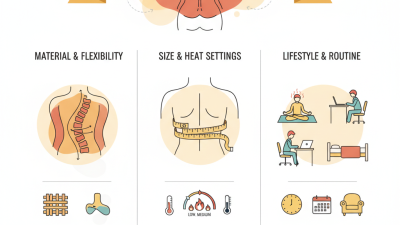
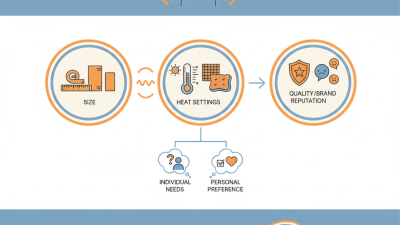
When selecting a warm pad for back pain relief, several factors warrant attention. Comfort is paramount. The pad should feel soothing against your skin. Materials like soft cotton or plush fabric can enhance overall comfort. It’s essential to ensure the pad is machine washable. This feature allows for easy upkeep and hygiene, which is a significant aspect of daily use.
Heat settings provide another crucial consideration. Variable temperature controls allow for a personalized experience. Look for pads that offer low, medium, and high settings. This flexibility caters to your needs, whether you prefer gentle warmth or more intense heat. Safety features like automatic shut-off are vital as well. They prevent overheating, ensuring your safety while you relax.
Size and shape can influence how effectively the pad alleviates pain. A larger pad may cover more of your back, but it might not fit comfortably against your body. Narrower options could provide localized heat, but they may not be as comforting for general pain. Always think about where you’ll use the pad. It’s worth reflecting on how often you'll be using it and whether it can easily be stored when not in use.
Warm Pad Effectiveness for Back Pain Relief
This chart displays customer satisfaction ratings across various factors when selecting a warm pad for back pain relief. The data highlights the importance of ease of use and portability as the most appreciated features.
Comparing Electric vs. Microwavable Warm Pads
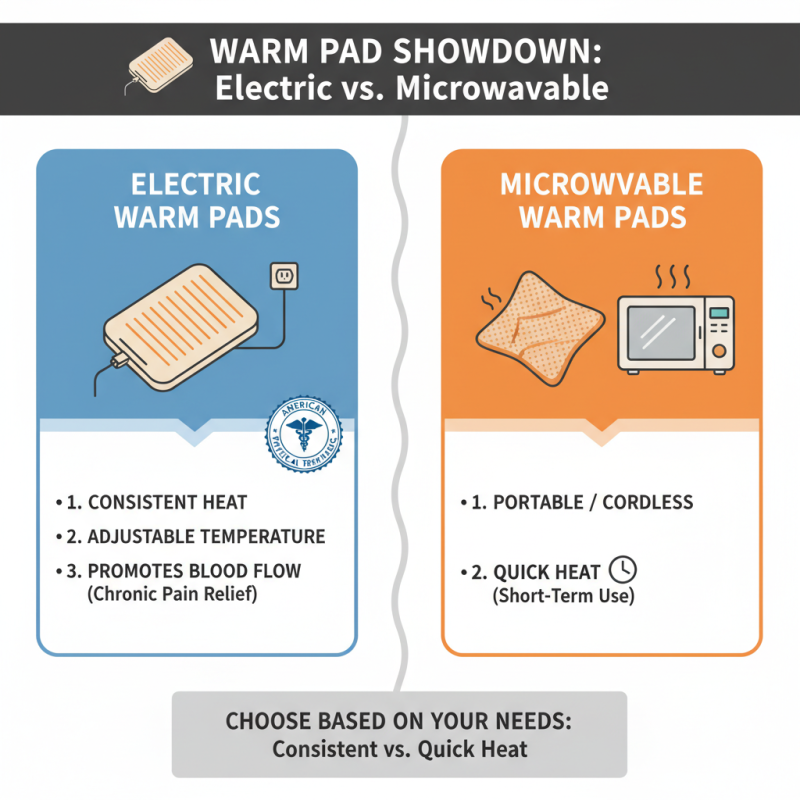
When choosing a warm pad for back pain relief, consumers often face a choice between electric and microwavable options. Each has its benefits. Electric pads provide a consistent heat source, easily adjustable for temperature. A report from the American Physical Therapy Association stated that sustained heat can improve blood flow, which aids in muscle relaxation. This aspect is vital for chronic pain sufferers.
Microwavable warm pads offer flexibility. They can be used anywhere, making them convenient for people on the go. According to a study published in the Journal of Pain Research, heat applied for 20 minutes can significantly reduce discomfort in patients with back pain. The portable nature of microwavable pads allows users to target specific areas effectively.
Both options present challenges. Electric pads may require careful monitoring, as overheating can cause burns. Microwavable pads need frequent reheating, which can be inconvenient. Many users report that finding the right type of heat application takes time and experimentation. Observing personal comfort and results is crucial during this process.
Tips for Safe and Effective Use of Warm Pads for Back Pain
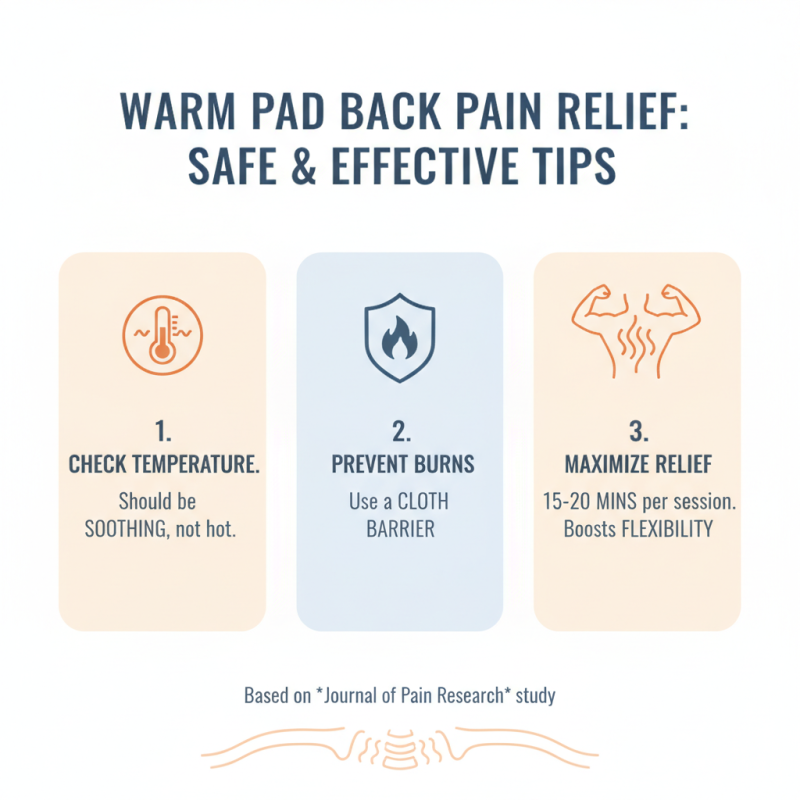
When using warm pads for back pain relief, safety and effectiveness are paramount. A study published in the *Journal of Pain Research* found that heat therapy can significantly reduce muscle tension and improve flexibility. However, improper use may lead to burns or increased discomfort. Always check the temperature before application. The ideal warmth should feel soothing, not painful.
Applying warm pads for 15 to 20 minutes generally offers the best results. It's wise to place a thin cloth between the pad and the skin. This extra layer helps prevent overheating. According to the *American Physical Therapy Association*, moisture can enhance heat therapy; consider using moist heat pads for deeper muscle penetration. Remember to stay hydrated as heat increases circulation, which can lead to dehydration.
Monitoring your response is crucial. If pain persists or worsens, reevaluate your method. Also, maintain a healthy balance; excessive heat application can lead to dependency. Taking breaks between sessions can be beneficial. Awareness and adjustments based on personal experience will enhance the effectiveness of warm pads in treating back pain.