Best Heating Patch for Pain Relief and How to Use It Effectively
In the quest for effective pain relief, the use of heating patches has emerged as a popular choice among consumers seeking non-invasive solutions. According to a study published by the National Institutes of Health, more than 50 million adults in the United States experience chronic pain, often resorting to various therapies and medications for relief. In this backdrop, heating patches have been reported to offer significant benefits, as they provide localized warmth that can enhance blood flow, alleviate muscle tension, and reduce pain perception.
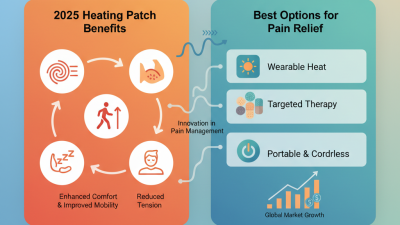
The global market for heating patches is also steadily growing, projected to expand at a CAGR of 6.5% through 2025, driven by increasing consumer awareness and preference for self-administered pain relief products. A particularly appealing feature of heating patches is their convenience and ease of use; they can be applied directly to the painful area and offer hours of soothing warmth, making them an effective option for individuals managing conditions like arthritis, back pain, and menstrual cramps. Understanding how to effectively use these devices can further amplify their benefits, allowing users to harness the full potential of heating patches as a cornerstone of their pain management strategy.

Choosing the Right Type of Heating Patch for Pain Relief
When selecting the right type of heating patch for pain relief, it’s essential to consider various factors that influence both effectiveness and safety. According to a report from the National Institute of Health, approximately 60% of adults experience some form of chronic pain, and heating therapy can provide significant relief. There are several designs available, including adhesive patches, wrap-around models, and those with adjustable temperatures, catering to different areas of the body such as the back, neck, or shoulders.
The heat produced by these patches works by increasing blood flow to the affected area, which can enhance the healing process by delivering more oxygen and nutrients. Research published in the Archives of Physical Medicine and Rehabilitation indicates that applying heat can effectively reduce muscle tension and alleviate pain in conditions like arthritis or fibromyalgia. When choosing a heating patch, consider the duration of application—some patches are designed for short-term use while others offer prolonged heat that can last several hours. Additionally, checking for features such as hypoallergenic materials and consistent temperature regulation can help ensure a comfortable and effective pain relief experience.
Best Heating Patch for Pain Relief and How to Use It Effectively
| Type of Heating Patch |
Temperature Range (°F) |
Usage Duration |
Ideal For |
Features |
| Disposable Heat Patch |
100 - 160 |
Up to 12 hours |
Muscle Pain, Menstrual Cramps |
Self-adhesive, Portable |
| Electric Heating Pad |
100 - 150 |
Variable (adjustable time) |
Chronic Pain Relief |
Multiple Heat Settings, Machine Washable |
| Microwaveable Heat Pack |
Varies by Material |
Up to 30 minutes |
Localized Pain |
Reusable, Soothing Nature |
| Thermal Wraps |
Variable |
2 - 8 hours |
Joint Pain, Back Pain |
Flexible Design, Adjustable Fit |
Key Benefits of Using Heating Patches for Various Types of Pain
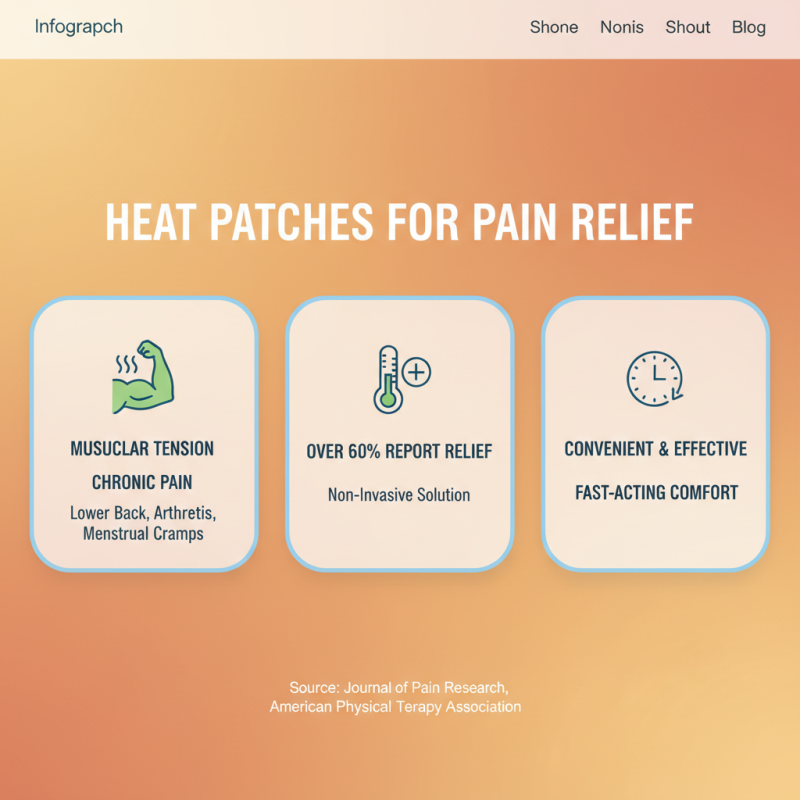
Heating patches have become a popular choice for pain relief due to their convenience and effectiveness in managing various types of discomfort. According to research published in the Journal of Pain Research, the application of heat can significantly reduce muscular tension and alleviate chronic pain, offering relief for conditions such as lower back pain, arthritis, and menstrual cramps. In a survey conducted by the American Physical Therapy Association, over 60% of respondents reported experiencing pain relief after using heat therapy, highlighting its role as a non-invasive intervention for managing everyday pain.
One of the key benefits of heating patches is their ability to promote increased blood flow to the affected area. A study in the Journal of Clinical Rehabilitation indicates that heat therapy can enhance tissue elasticity and reduce stiffness, which is particularly beneficial for individuals experiencing joint and muscle pain. Furthermore, heating patches offer sustained warmth, allowing users to engage in daily activities without the disruption often caused by acute pain. An analysis from the National Institutes of Health also points out that heating methods, when regularly incorporated into therapeutic routines, can lead to long-term improvements in overall pain management and quality of life.
Step-by-Step Guide on How to Apply Heating Patches Safely
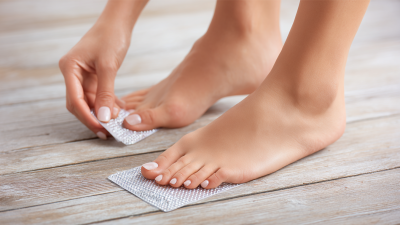
When using heating patches for pain relief, it’s essential to apply them safely to maximize their benefits. Start by choosing an appropriate area on your body that requires relief, such as the lower back or shoulders. Clean the skin with soap and water to remove any oils or lotions that might prevent proper adhesion. Make sure the skin is dry before application to ensure the patch sticks well.
Once you're ready, carefully remove the protective cover from the heating patch without touching the adhesive side. Place the patch firmly on the targeted area, pressing down gently for a few seconds to secure it in place. Be mindful of the duration of use; most patches are designed for a specific amount of time—usually between 30 minutes to several hours—to prevent skin irritation or burns.
**Tips:** Always check for any allergic reactions or skin sensitivities before using a heating patch for the first time. If you experience any discomfort or unusual sensations, remove the patch immediately. Additionally, avoid using heating patches while sleeping or in combination with other heat sources to ensure your safety.
Tips for Maximizing the Effectiveness of Heating Patches
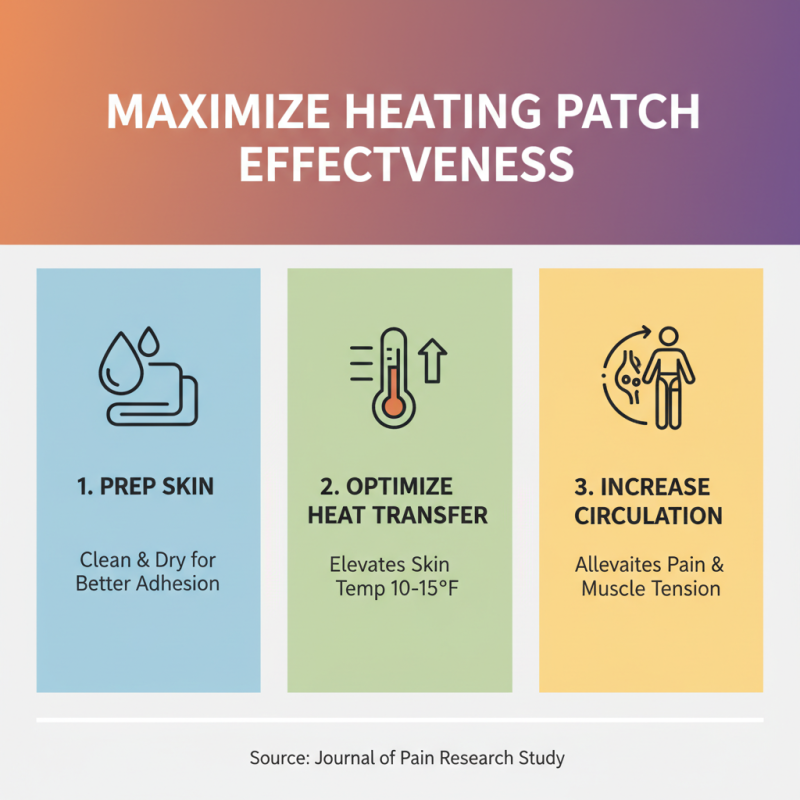
Heating patches have become a popular solution for managing pain, particularly for conditions such as menstrual cramps, muscle strains, and chronic pain disorders. To maximize the effectiveness of these patches, several tips can enhance their application. First, it's vital to prepare the skin properly before applying a heating patch. Clean and dry skin allows for better adhesion and promotes optimal heat transfer. According to a study published in the Journal of Pain Research, effective heat therapy can elevate skin temperature by an average of 10 to 15 degrees Fahrenheit, significantly increasing blood circulation and alleviating pain.
Secondly, timing is crucial when using heating patches. Research indicates that applying heat for 20-30 minutes can yield the best results; this duration allows the body to relax and reduces muscle tension effectively. However, users should be cautious not to exceed recommended application times, as prolonged exposure can lead to irritation or burns. Combining heat therapy with gentle stretching can further enhance the benefits, as it promotes flexibility in affected areas. A publication by the American Physical Therapy Association suggests that a synergistic approach of heat followed by movement can lead to better long-term pain relief than heat alone.
Safety Precautions and Troubleshooting Common Issues with Heating Patches
When using heating patches for pain relief, safety precautions should always be a priority. First and foremost, always read the instructions carefully before application. Ensure that the patch is not applied directly to broken or irritated skin, as this can exacerbate discomfort or lead to further complications. It is also essential to monitor the duration of use; prolonged exposure can cause burns or skin irritation. Consider using the patch on a low setting if your skin is sensitive or if you are using it in conjunction with other heat therapies.
Tips for effective use include gently cleaning the area where the patch will be placed to ensure good adhesion and optimal heat transfer. Additionally, try to avoid using the patch while sleeping, as this can increase the risk of burns and injury. If you experience excessive redness, blistering, or any signs of an allergic reaction, remove the patch immediately and consult a healthcare professional.
Troubleshooting common issues with heating patches mainly revolves around adhesion and heat levels. If the patch fails to stick, make sure that the skin is dry and free from any oils or lotions before application. For issues relating to insufficient heat, check if the patch is expired or ensure that it is correctly activated according to the instructions. If these suggestions do not resolve the problem, consider switching to a different type of heating patch that may suit your needs better.