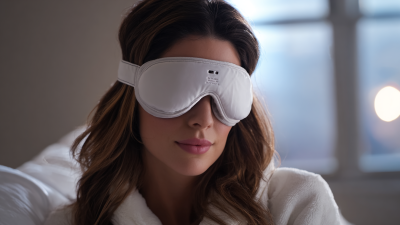
What Is the Best Heated Eye Mask in 2026?
Choosing the best Heated Eye Mask in 2026 is not just about finding the warmest option. It means balancing steady, comfortable heat with fit, cleanability, and ease of use. A mask that presses on the eyelids or heats unevenly may feel unpleasant, even if its specifications look impressive. Small details matter.
Ophthalmologist Dr. Anat Galor studies dry eye and ocular-surface conditions. A cautious editorial paraphrase of the clinical perspective reflected in her work is: “Warmth may support eyelid care, but comfort and appropriate use matter.” This is a paraphrase, not a verbatim quotation or a product endorsement. It also points to an important limit: a Heated Eye Mask is not a diagnosis or a cure, and persistent pain, redness, or vision changes call for professional advice.
This guide compares the features shoppers can actually assess: temperature control, timer settings, fabric, power source, and cleaning instructions. We will also look at how a mask feels during a quiet evening, when a stiff strap or bright indicator can quickly become distracting. No single design suits everyone. That is easy to overlook. Some buyers may prefer a simple microwaveable wrap; others may value adjustable settings and automatic shutoff. The “best” choice depends on personal comfort, intended use, and clear safety guidance—not on dramatic promises or a long feature list. One imperfect point remains: product labels do not always make heat consistency easy to compare. We will keep that uncertainty in view.
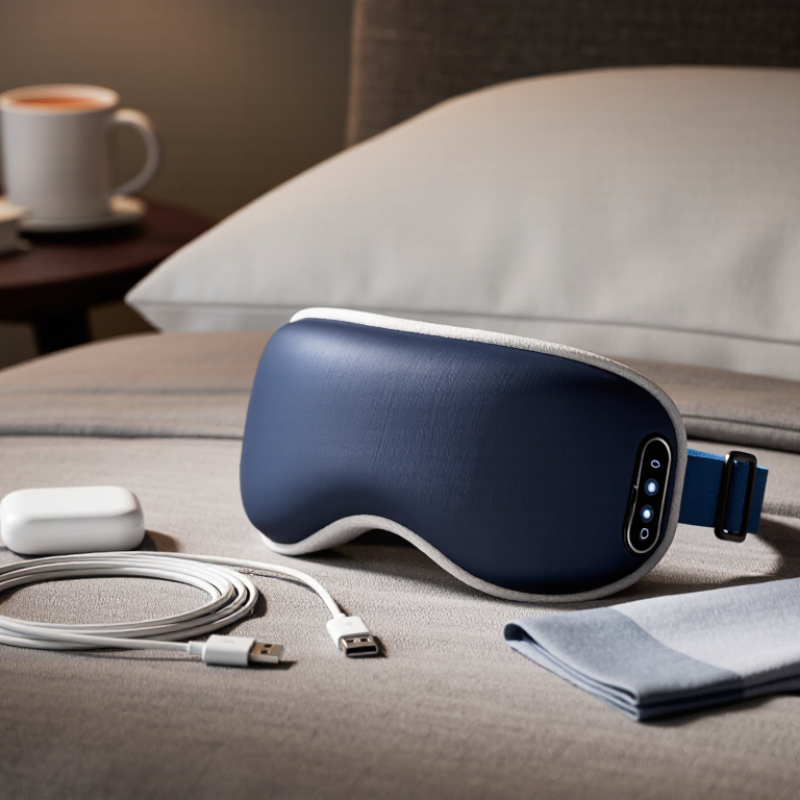
What a Heated Eye Mask Is and How It Works
A heated eye mask is a covering that delivers gentle warmth across closed eyelids. Some use a microwave-warmed insert; others contain self-warming materials or regulated electric heaters. The goal is steady, mild heat, not a strong sensation. It feels simple. Warmth may soften oils in the meibomian glands along the eyelid margins. These oils help slow tear evaporation, so a warm compress may ease dryness linked to sluggish glands. It does not address every cause of irritation, and results vary.
During use, heat passes through the mask’s fabric to the skin and eyelids. Follow the instructions for heating time, placement, and cleaning; microwave models can develop hot spots. Keep your eyes closed, and remove the mask if it stings, burns, or feels uncomfortable. Never assume a warmer setting works better. A mask should feel gently warm, never hot. People with reduced facial sensation, recent eye surgery, active inflammation, or persistent pain should ask an eye-care professional before use. Heat levels and fit differ, and packaging claims do not replace clinical advice. Even a soft mask can press too firmly or cool unevenly. That detail matters.
What Is the Best Heated Eye Mask in 2026? - What a Heated Eye Mask Is and How It Works
| Dimension |
What It Means |
What to Look For |
| What a heated eye mask is |
A wearable warm compress designed to apply gentle heat over closed eyelids. |
A comfortable fit that rests over the eyelids without pressing on the eyes. |
| How it works |
The mask transfers warmth to the eyelids. Warmth may soften oils in the meibomian glands along the eyelid margins, supporting the flow of oil into the tear film. |
Even, steady warmth and clear instructions for use; heat should feel warm, not hot. |
| Electric, reusable |
A powered mask generates heat electrically, usually with selectable settings or a timed session. |
Adjustable temperature, automatic shutoff, washable removable cover, and easy-to-follow safety instructions. |
| Microwaveable, reusable |
A fabric mask containing heat-retaining material is warmed in a microwave. Its temperature gradually falls as it releases heat. |
Specific heating instructions, even heat distribution, and a washable cover. Follow the stated heating time to reduce burn risk. |
| Single-use, self-heating |
A disposable mask warms through a chemical reaction after its packaging is opened. Heat duration and intensity vary by product. |
A clearly stated wear time and temperature guidance; check materials and disposal instructions. |
| Temperature control |
Operating temperatures and temperature stability differ by design. There is no single setting suitable for every user or device. |
A controllable, comfortable setting and reliable instructions. Do not assume a higher setting is more effective. |
| Typical use |
Warm compresses are commonly used as part of eyelid care. Session length should follow the device instructions or guidance from an eye-care professional. |
A timer or clear session guidance; clean the mask and cover as directed. |
| Potential benefits |
Warm compresses may help loosen eyelid oils and can provide temporary comfort for some people with dry-eye symptoms or eyelid-gland issues. |
Choose based on comfort, consistent warmth, and ease of regular use—not on claims that it cures an eye condition. |
| Safety and hygiene |
Excessive heat, prolonged use, or a poorly cleaned mask can cause discomfort or irritation. Keep the mask over closed eyes and do not use it on damaged skin. |
Stop if it feels painful or excessively hot. Seek professional advice for persistent symptoms, eye pain, vision changes, or a known eye condition. |
| How to choose in 2026 |
The best option depends on the user’s comfort, preferred heating method, cleaning needs, and intended routine. |
Prioritize safe temperature control, even coverage, a secure but gentle fit, clear instructions, and materials that are easy to keep clean. |
This table provides general information and is not a substitute for advice from an eye-care professional.
Key Features That Shape Comfort and Heat Performance
A good heated eye mask should warm the area evenly without pressing hard on your eyelids. Comfort starts with the fit: a soft, breathable cover and an adjustable strap can reduce rubbing around the nose and temples. Look for more than one heat setting and a timer, so warmth does not continue longer than intended. A gentle low setting is often enough. Uneven hot spots can feel irritating, even when the average temperature seems mild. Fit is personal. A mask that feels soothing while sitting upright may shift when you lie down.
Tips: Try the lowest setting first. Check that the mask feels warm, not hot, and stop using it if you notice discomfort or unusual skin redness.
Heat controls matter, but so does everyday care. A removable, washable cover is useful after regular use; follow its care label and keep electrical parts dry. Check how the mask is powered and whether its cable allows comfortable movement near your bedside. One limitation: product descriptions rarely reveal how evenly heat spreads after repeated use. If possible, assess comfort over a short session before making it part of your routine. Avoid assuming stronger heat means better relief.
How Safety Standards and Design Affect Daily Use
What Is the Best Heated Eye Mask in 2026?
How Safety Standards and Design Affect Daily Use
A heated eye mask should feel predictable, not merely warm. Look for clearly stated temperature settings, a timer, and automatic shutoff. These features help limit prolonged heating if you drift off. Check the product instructions for recommended session length and whether the mask can be used while sleeping. Comfort is personal.
Safety information matters as much as the control panel. Read the label and manual, and look for evidence that the electrical components were tested against relevant safety standards by a qualified independent organization. Requirements vary by market, so a vague “certified” claim is not enough. Check the power cord, plug, and fabric for damage before use. Keep the device dry unless its instructions specifically allow cleaning that way; a removable, washable cover can make routine care easier.
Design affects whether safe habits are easy to follow. A flexible shape should rest gently around the eyes without pressing on the eyelids, while adjustable straps can help accommodate different face shapes. A heavy mask or bulky cord may become irritating during a short session. That matters. People with reduced facial sensation, eye conditions, or recent eye procedures should ask a health professional before using heat. A warmer setting can feel appealing, but it is not automatically better; comfort should never depend on enduring discomfort.
What Is the Best Heated Eye Mask in 2026?
A useful design benchmark is whether a mask can provide gentle, consistent warmth during a short warm-compress session. The shaded band shows a commonly cited 40–45°C warm-compress range over an illustrative 10-minute session; it is not measured device-performance data or a universal prescription.
For daily use, look for adjustable heat, a timer or automatic shutoff, and a comfortable fit that does not press on the eyes. Follow the device instructions, and stop use if the warmth causes discomfort. Recommended temperatures and session lengths can vary.
Comparing Heated Eye Mask Types and Their Trade-Offs
The best heated eye mask in 2026 depends on how you value even warmth, convenience, and upkeep. Microwaveable masks are cordless and simple, but heat can fade quickly and vary across the fabric. A warm patch on the nose and cooler edges may make sessions feel uneven. Check the manufacturer’s heating instructions carefully.
USB-powered or plug-in masks offer adjustable settings and steadier heat, which can suit regular use. Their trade-offs include cables, cleaning requirements, and the need to monitor comfort. Disposable masks are portable and require no microwave, but create repeat waste and may offer less control. Convenience has a cost. A plush cover also matters: stiff seams can press against closed eyelids, while a washable cover helps keep skin contact cleaner.
The TFOS DEWS II Epidemiology Report (2017) reported dry-eye prevalence estimates ranging from 5% to 50%, depending on study populations and definitions. That wide range cautions against treating one mask type as universally best. TFOS DEWS II’s Management and Therapy Report includes warm compresses among options for managing meibomian gland dysfunction.
Compare temperature control, fit, cleaning, and session guidance—not heat alone. If warmth causes discomfort, stop and follow the product’s safety instructions; a mask is not a substitute for an eye-care assessment.
How to Choose the Best Heated Eye Mask for Your Needs in 2026
Choosing the best heated eye mask in 2026 starts with how and where you plan to use it.
For a brief evening routine, a plug-in model may be convenient. For travel, a cordless design avoids searching for an outlet, but check battery life and charging time. A timer and adjustable heat settings make it easier to keep sessions controlled. More heat is not automatically better.
Fit matters more than flashy features. The mask should rest gently around your eyes without pressing on the lids or nose. Look for even warmth, a soft washable cover, and clear cleaning instructions. If you wear contact lenses, remove them before use. Small details count. A stiff strap can feel irritating after ten minutes, even if the heat is pleasant.
Consider your eye health, too. Warm compresses are sometimes recommended for certain eyelid concerns, but a heated mask may not suit every condition. Ask an eye-care professional if you have recent eye surgery, reduced sensation, ongoing inflammation, or unexplained pain. Follow the product’s temperature and timing instructions, and stop if the warmth feels uncomfortable. Honestly, “consistent” matters more than “luxurious,” though comfort can make a routine easier to keep.