The Best Heat Patch for Pain Relief Which One Works Best?
When pain strikes, many seek relief from a heat patch. These handy products can soothe sore muscles and joints. But, which one truly works best? The market is flooded with options. Each claims to provide comfort, yet not all live up to the hype.
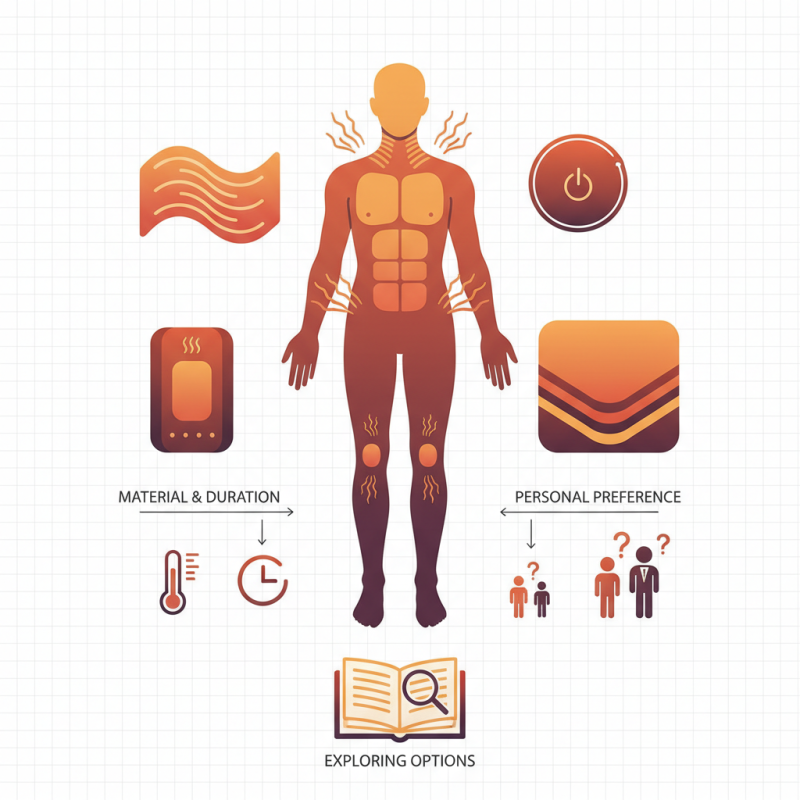
Heat patches come in various forms and formulations. Some are flexible, while others are more rigid. Heat levels vary, too. Certain patches offer adjustable warmth, allowing users to customize their experience. However, personal preference plays a vital role. What works wonders for one may not deliver the same for another.
It's crucial to pay attention to the material and duration of heat. A patch that is too hot can cause irritation. Conversely, one that cools quickly may leave users disappointed. Understanding one's pain and needs is essential for selecting the right heat patch. Exploring different options can be enlightening, but it may also feel overwhelming amid so many choices.
Key Features to Consider When Choosing a Heat Patch
When selecting the best heat patch for pain relief, several key features matter. Think about size and flexibility. If you need something for your back, choose a larger patch. For targeted relief, smaller patches are ideal. Some patches are designed to contour to the body. This ensures they stay in place during movement.
Temperature control is another crucial factor. Some patches provide consistent heat while others allow for adjustable warmth. A patch that gets too hot may cause burns. Conversely, one that doesn’t heat enough might be ineffective. Always check the duration of heat release too. Some patches can last for several hours, while others may only provide temporary relief.
Tips: Look for a heat patch that offers easy application. Adhesive should stick well but not irritate the skin. Always read reviews, too; they can offer insights that might not be obvious. Consider if you need a moist or dry heat patch based on comfort preferences. Each option has its unique advantages and drawbacks.
Types of Heat Patches Available for Pain Relief
Heat patches are a popular choice for pain relief. They provide warmth to sore muscles and joints. There are different types of heat patches available, each designed for specific needs. Some patches are designed for back pain, while others target neck or shoulder discomfort.
One common type is the adhesive patch. It sticks directly to the skin. These patches often provide long-lasting heat. Another option is the microwaveable heat pack. It can be heated in a microwave and placed where needed. This type allows for adjustable warmth, depending on the user's preference.
However, not every patch works for everyone. Some people find the adhesive uncomfortable. Others may not feel enough heat from microwaveable packs. It's essential to experiment with different types. Finding the best heat patch may take time. Pain management is a personal journey, and it might involve some trial and error.
Effectiveness of Heat Patches for Different Types of Pain
Heat patches are a popular choice for pain relief. They work by providing localized warmth to areas of discomfort. This can help with muscle pain, joint issues, and menstrual cramps. However, their effectiveness can vary depending on the type of pain.
For muscle soreness, heat patches can be quite effective. They relax tight muscles and enhance blood circulation. Many people find relief after just a short application. On the other hand, for nerve pain, the results might be mixed. Some report temporary relief, while others feel minimal effects. It is essential to assess what type of pain you are dealing with.
**Tips:**
If you are trying a heat patch for the first time, apply it for a short duration. Monitor your skin for any reactions. Always ensure the patch is not too hot, as this can lead to burns. Consider using a patch that stays in place. This ensures more consistent heat delivery. Make sure you're addressing the root cause of your pain. Heat may provide temporary relief but does not cure underlying issues.
The Best Heat Patch for Pain Relief Which One Works Best? - Effectiveness of Heat Patches for Different Types of Pain
| Type of Pain |
Heat Patch Type |
Temperature (°C) |
Duration (Hours) |
Effectiveness Rating (1-5) |
| Muscle Pain |
Standard Heat Patch |
50 |
8 |
4 |
| Menstrual Cramps |
Herbal Heat Patch |
45 |
6 |
5 |
| Joint Pain |
Adhesive Heat Patch |
55 |
10 |
4 |
| Back Pain |
Large Heat Patch |
60 |
12 |
5 |
| Post-Surgery Pain |
Electric Heat Patch |
40 |
8 |
3 |
Application Tips for Maximum Heat Patch Benefits
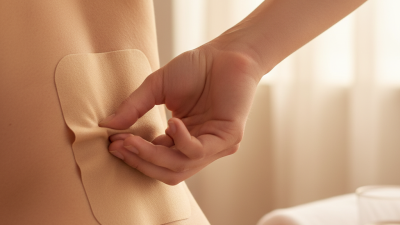
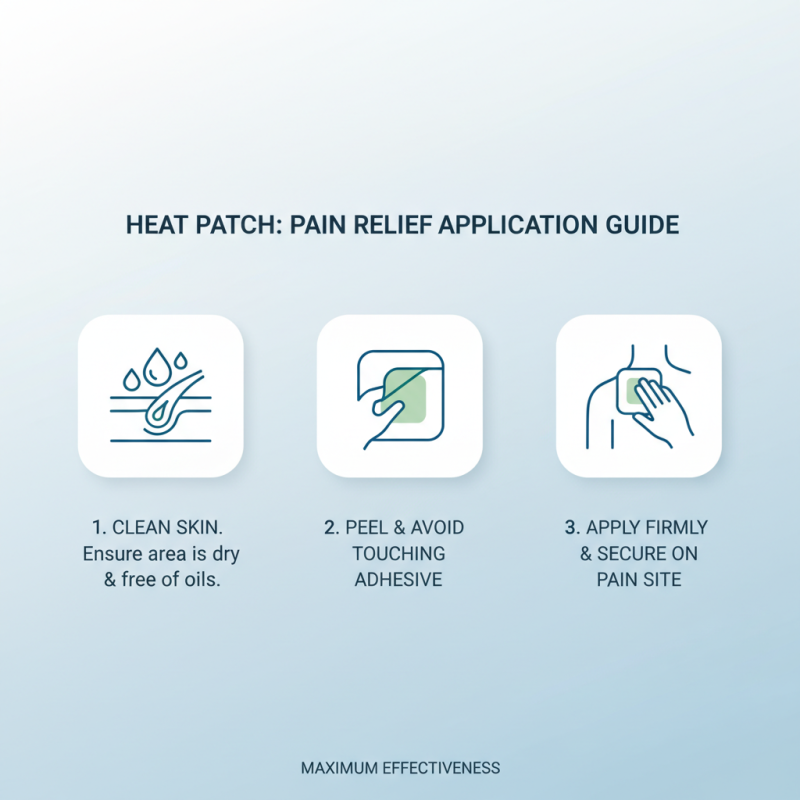
When using heat patches for pain relief, proper application is key. Begin by cleaning the skin at the site of pain. This ensures good adhesion and maximum effectiveness. Remove the protective backing carefully. Avoid touching the adhesive side. Place the patch directly on the skin. Press down firmly to secure it in place.
Timing matters too. Try to keep the patch on for the recommended duration. This is usually about 8 to 12 hours. However, listen to your body. If the heat becomes uncomfortable, it’s okay to remove it earlier. Some users report relief within minutes, while others take longer. Everyone's experience is different.
Remember to monitor the patch regularly. Check for skin irritation or excessive heat. If you notice any issues, it’s time to reconsider your choice of patch or its placement. Also, consider alternating heat with other treatments. Heat patches can work wonders alongside stretching or gentle movements. Embrace a holistic approach for the best results.
Comparative Analysis of Top Heat Patch Brands
When evaluating heat patches for pain relief, different brands offer unique features. Some patches provide longer-lasting heat, while others heat up quickly. The effectiveness often depends on user preference and specific needs. Factors such as size, adhesive strength, and duration of heat are crucial when making a choice.
Tips: Always check the heating duration. Shorter duration patches may require frequent replacement, leading to inconvenience. Consider the material as well; some may irritate sensitive skin more than others.
Additionally, users should be cautious. Not every patch will suit everyone. Some may find a certain patch uncomfortable after prolonged use. It’s essential to listen to your body and assess individual reactions to each product. Testing a small area first can prevent irritation.
In a space flooded with options, selecting the best heat patch requires careful consideration. Each user must weigh comfort against effectiveness. Track which patches work best for your specific pain. Over time, this will guide you toward a more effective solution tailored to your needs.
The Best Heat Patch for Pain Relief: Comparative Analysis